Explore Sarajevo Families
Sarajevo for families.
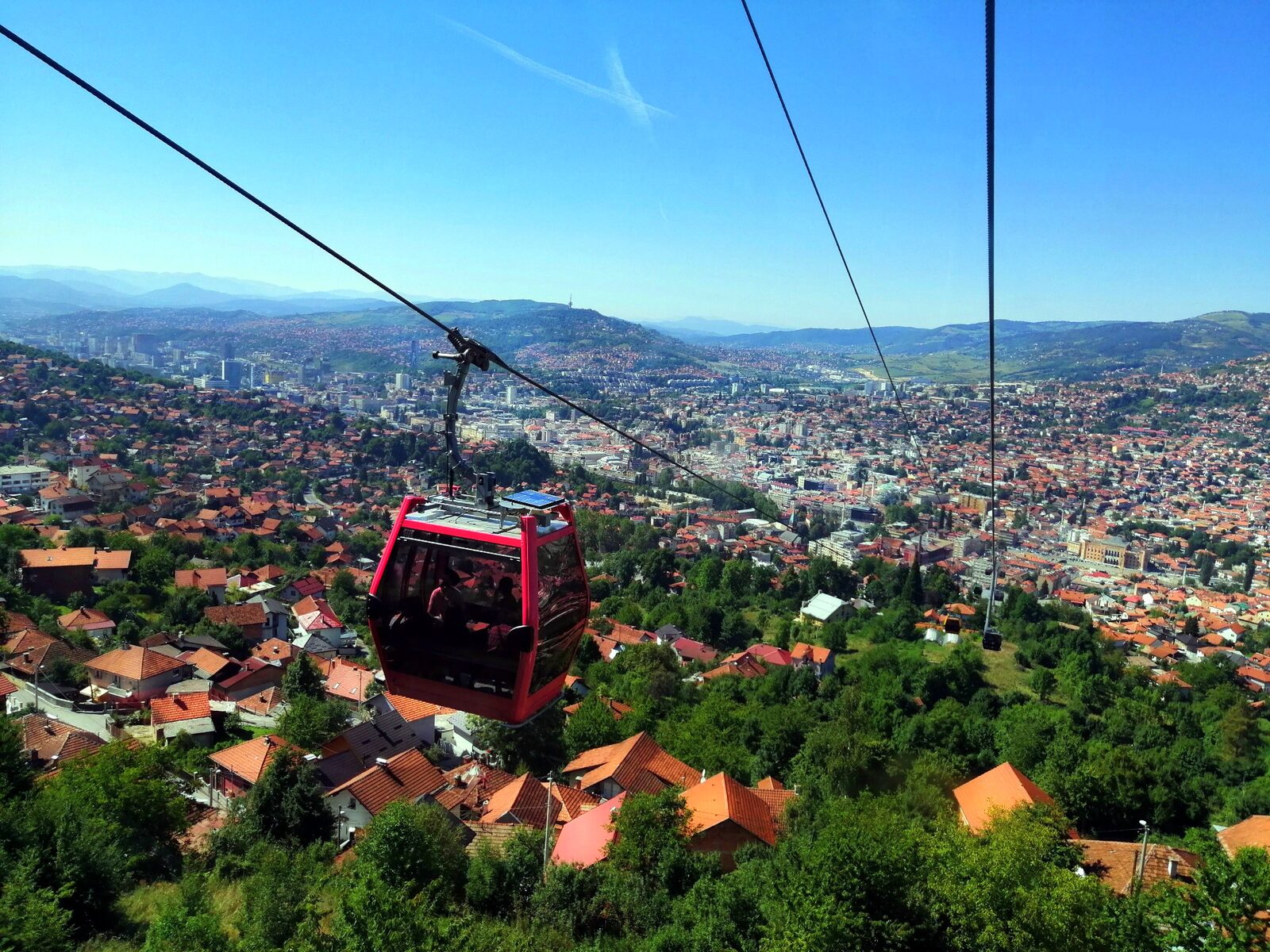
The zoo (Pionirska Dolina) is 2 km from the centre, the cable car takes nine minutes to 1,160 metres on Trebević, and the pigeons at the Sebilj accept all visitors under ten without negotiation.
Sarajevo works with kids. The centre is compact — most of what matters sits within a two-kilometre walk along the Miljacka river. The cable car to Trebević takes nine minutes. The pigeons at the Sebilj are free. The ćevapi portions are large enough to split. And the pace of the city, which runs on long coffee and unhurried afternoons, suits families better than it suits people in a hurry.
The honest caveat: cobblestones. Baščaršija is paved with Ottoman-era stone, and pushing a stroller through it is work. A baby carrier or a lightweight umbrella stroller handles the old quarter better than a full pushchair. The Habsburg grid (Ferhadija onward) is flat and paved. Vrelo Bosne is flat gravel — stroller-friendly from the avenue entrance to the springs.
For the full eleven-item family plan with prices, queue windows and age-specific notes, read the detailed kids guide.
Ten places that work with children
| Place | What kids get | Ages | Type |
|---|---|---|---|
| Pionirska Dolina (the zoo and playground park) | An 8.5-hectare park two kilometres north-west of the centre. Small-scale zoo (~59 species — llamas, kangaroos, zebras, small primates, birds), proper playground, mini-train, bumper cars, merry-go-round. Whole morning under 30 BAM total. | 2+ | Park |
| Sarajevo Cable Car | A nine-minute gondola ride from 583 m at Bistrik up to 1,160 metres on Trebević. The view holds any age group. Return ticket: 30 BAM for foreign visitors (6 BAM for BiH ID holders); children under six free with a paying adult. | All | Destination |
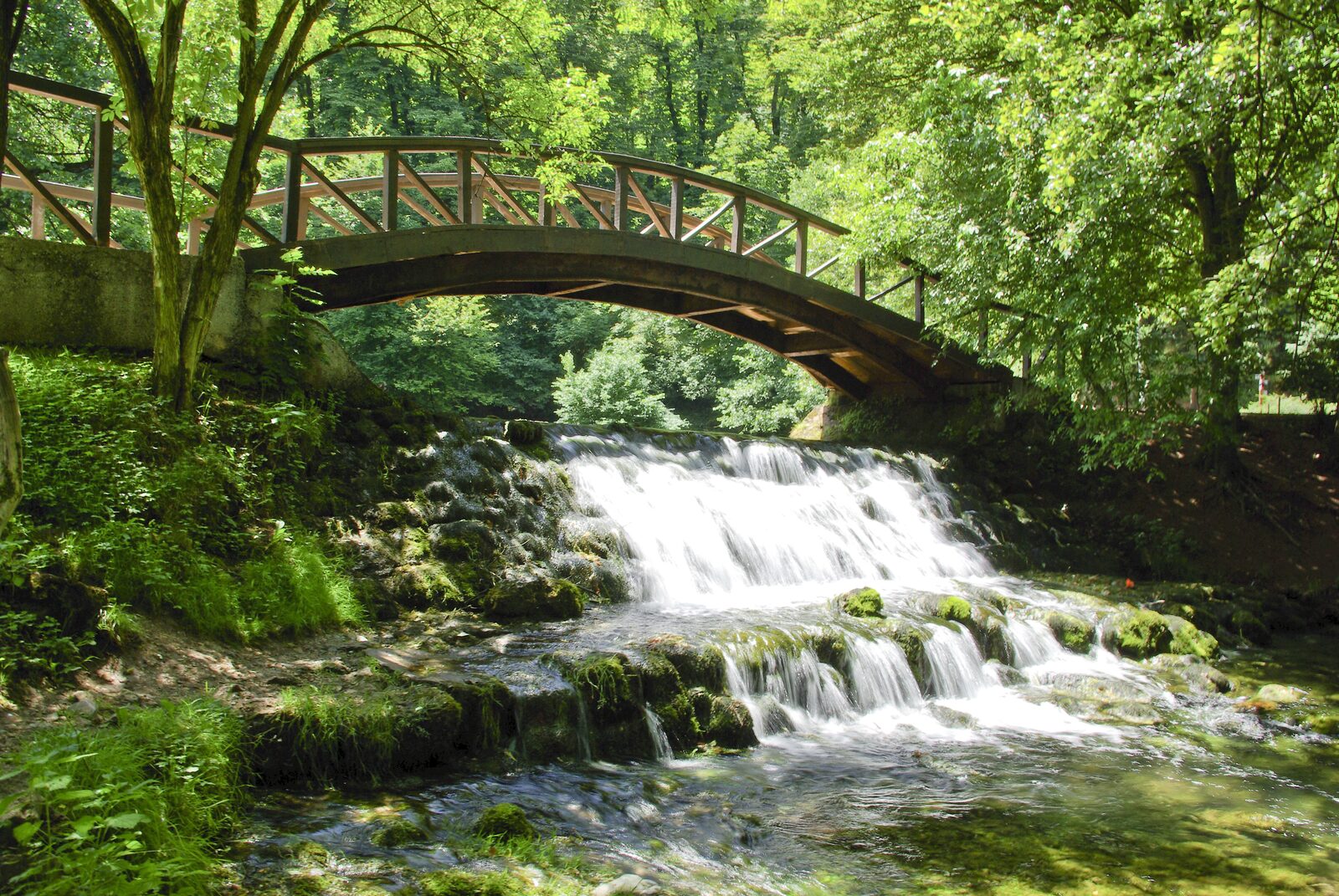
| Vrelo Bosne | A riverside park with walking paths, horse-drawn carriages, small boats, and the Bosna river springs. Flat, open, picnic-friendly. | All | Destination |
| The Sebilj | The wooden fountain in Baščaršija square. The pigeons are the attraction — kids feed them, the pigeons cooperate. | 2–10 | Destination |
| Trebević | Take the cable car up, walk back down through the forest. The bobsled track is a 20-minute walk from the upper station. | 6+ | Destination |
| The Olympic Bobsled Track | The 1984 Olympic luge and bobsled course, abandoned after the siege, now covered in graffiti. Kids walk the track. Older kids understand the history. | 8+ | Destination |
| Sunnyland Alpine Coaster | Downhill alpine-coaster toboggan run on rails through the forest on Trebević, five minutes from the upper cable-car station. Season roughly April–October. Adult rides with a child in the front seat; older kids can ride solo. | 5+ | Attraction |
| Žuta Tabija | The sunset fortress above the old town. The wall is low enough for older kids to sit on; young ones need watching. Flat grassy area behind the wall. | 4+ | Destination |
| Baščaršija | The old bazaar. Copper shops, pigeon square, ice cream stands, street cats. The sensory density holds kids better than a museum. | All | Destination |
| Historical Museum of BiH — siege apartment | The museum’s reconstructed one-room siege apartment (candles, radio, ration cans, plastic-sheeted window) is genuinely gripping for older kids and teens. The rest of the museum is spare and text-heavy; the siege apartment is the anchor. | 10+ | Hidden gem |

By age — a quick pick
The table above filters by place; this one filters by age of your child.
- Toddlers (0–3): Pionirska Dolina playground and mini-train, Vrelo Bosne flat riverside paths, the Sebilj pigeons for ten minutes, a picnic in the shade at Vrelo Bosne rather than a sit-down restaurant.
- Pre-school (4–6): everything above, plus the Sarajevo Cable Car (children under six are free with a paying adult), Žuta Tabija if you can watch them at the wall, and a walk through Baščaršija with an ice cream on the square.
- School-age (7–11): the cable car up + the Sunnyland Alpine Coaster + the walk down to the Olympic bobsled track is a whole mountain day; add Trebević hikes if the day is fine. Older kids in this bracket can start to read the Sarajevo Roses in the pavement without the war-history being overwhelming.
- Teens (12+): most of the standard adult itinerary works — the Baščaršija loop, the siege history, the siege apartment at the Historical Museum, the mountains, the specialty coffee. Give them a phone with the Moj Taxi app and they will be fine.

Stroller reality
Be honest with yourself about the stroller. The city has three zones, and they differ:
- Baščaršija (the Ottoman quarter): uneven cobblestone. A carrier is better than wheels. Narrow passages between the copper shops make wide strollers impractical.
- Ferhadija to Marijin Dvor (the Habsburg grid): flat, paved, wide pavements. Standard stroller territory.
- Vrelo Bosne (the springs): flat gravel paths from the Ilidža tram stop along Velika Aleja to the springs. Roughly 3.5 km one way. Stroller-friendly the entire length.
Restaurants that welcome kids
Most Sarajevo restaurants are not formally “family-friendly” in the Northern European sense — no high chairs in every corner, no kids’ menu on the wall. But most are genuinely welcoming.
The rule of thumb: the busier and faster the restaurant, the better it works with a hungry child. Ćevabdžinicas (Bosnian grill houses) serve within five minutes of ordering, portions are large enough to split, and nobody minds a child at the table. Specific picks:
- Petica Ferhatović and Željo — the two best ćevabdžinicas in Baščaršija; both serve in five minutes, both split a portion of ćevapi well between an adult and a child, both accept cash and card. Petica is the quieter of the two on a Tuesday morning.
What Sarajevo restaurants generally do not have: high chairs (bring a portable seat if you use one), changing tables (use a hotel), or dedicated kids’ menus. The Ottoman grill tradition is that everyone eats the same food from the same platter, and kids do fine.
The slastičarne — ice cream and sweets
Sarajevan sweet shops (slastičarne) are the kid-magnet parents underestimate. Three near or on the Baščaršija walking route:
- Slastičarna Egipat — the classic. On Ferhadija at the Habsburg end of the old town, a Sarajevo institution since 1960. Famous for a caramel-vanilla ice cream made on a family secret recipe. Also serves the full traditional Bosnian sweet-shop menu: tufahija (walnut-stuffed baked apple in syrup), kadaif, boem, and baklava. Two or three scoops of the vanilla is what to order.
- Slastičarna Ramis — inside Baščaršija itself. Best in the city for tufahija and a good honey cake. Fresh ingredients, small counter, a queue at weekends.
- Slastičarna Cream Shop — central Baščaršija, close to the Sebilj square. Turkish and Bosnian sweets side by side; useful when Egipat is closed or full.
For a family with young kids, the honest plan is: pigeons at the Sebilj first, ćevapi lunch at Petica or Željo, ice cream at Egipat on the walk back. That is a working three-hour Baščaršija loop with a child.
Traditional Bosnian desserts to try in a slastičarna
If you and your children are going to walk into a slastičarna, know what to order. Bosnia’s dessert tradition sits at the meeting point of Ottoman confectionery and Central European patisserie, and the working sweet shops in Sarajevo carry a roster of dishes that has changed little in a century.
- Tufahija — a whole peeled apple, poached in lemon-scented sugar syrup until soft, cored, stuffed with a walnut-and-vanilla-sugar filling, topped with whipped cream. Served cold in a stemmed glass. The most photogenic Bosnian dessert, and the one every visitor should try at least once. Egipat and Ramis both make an excellent one; Ramis is the technical favourite.
- Baklava — the layered filo-and-walnut pastry familiar across the Ottoman world. Bosnian baklava uses walnut (rarely pistachio) and a lemon-scented sugar-and-honey syrup. Small square or diamond pieces, dense, sweet, one is often enough.
- Ružice — literally “little roses”. A Bosnian variant of baklava: yufka sheets brushed with butter, filled with ground walnuts, rolled and cut into rose-shaped spirals, then baked and soaked in syrup. Distinct shape and softer bite than standard baklava.
- Hurmašice — “little dates”. Small oval buttery pastries with a lightly-grated surface, soaked in a lemon-syrup bath. Modest, homely, and among the first things Bosnian children learn to bake at home. Cheap; five for a few BAM.
- Kadaif — shredded-phyllo strands (the kadayıf dough) layered around a walnut filling, baked, and soaked in syrup. Crispier top than baklava, softer nut core, honeyed rather than syrupy on the tongue.
- Šampita — a Central-European crossover: a light shortcrust base, a tall crown of stiff-whipped meringue, cut into squares. Not Ottoman in origin (came in through Vienna) but a staple in every Bosnian sweet shop since the interwar period. Very sweet. Children love it.
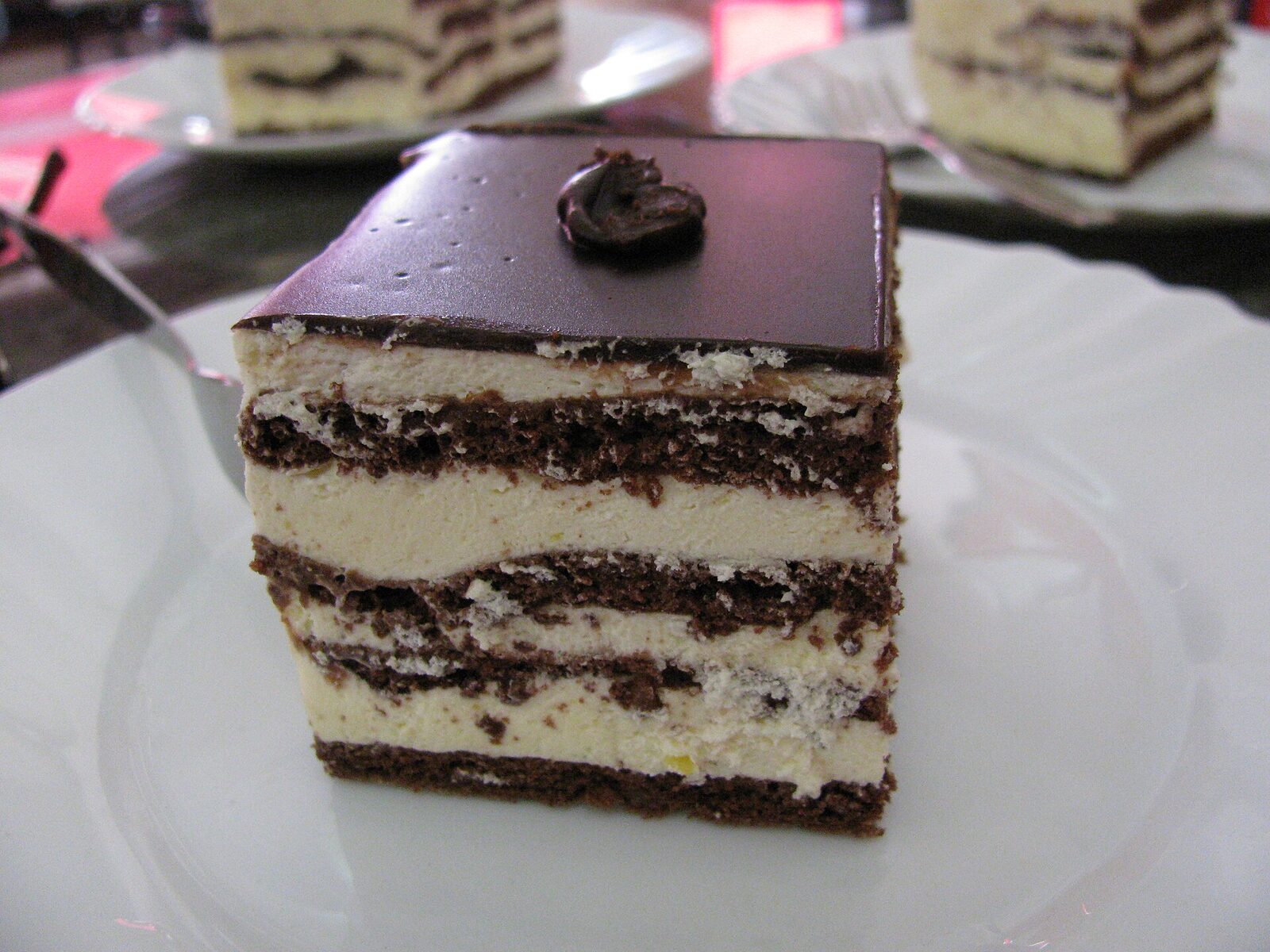
- Boem šnita — “Bohemian slice”. Layered chocolate-and-vanilla cream with dark-chocolate glaze on top. A cake, not a pastry. The most-instagrammed slastičarna item after tufahija.
- Tulumbe — small deep-fried star-fluted dough fingers, syrup-soaked, sold hot at street stalls in Baščaršija in the warm months. Halfway between a churro and a doughnut. Buy three, share four ways.
- Halva — semolina, sugar, butter, and toasted walnuts, cooked to a soft crumbly paste. Comes in a small dish. Very sweet. Not universally loved by children on a first taste but grows on them.
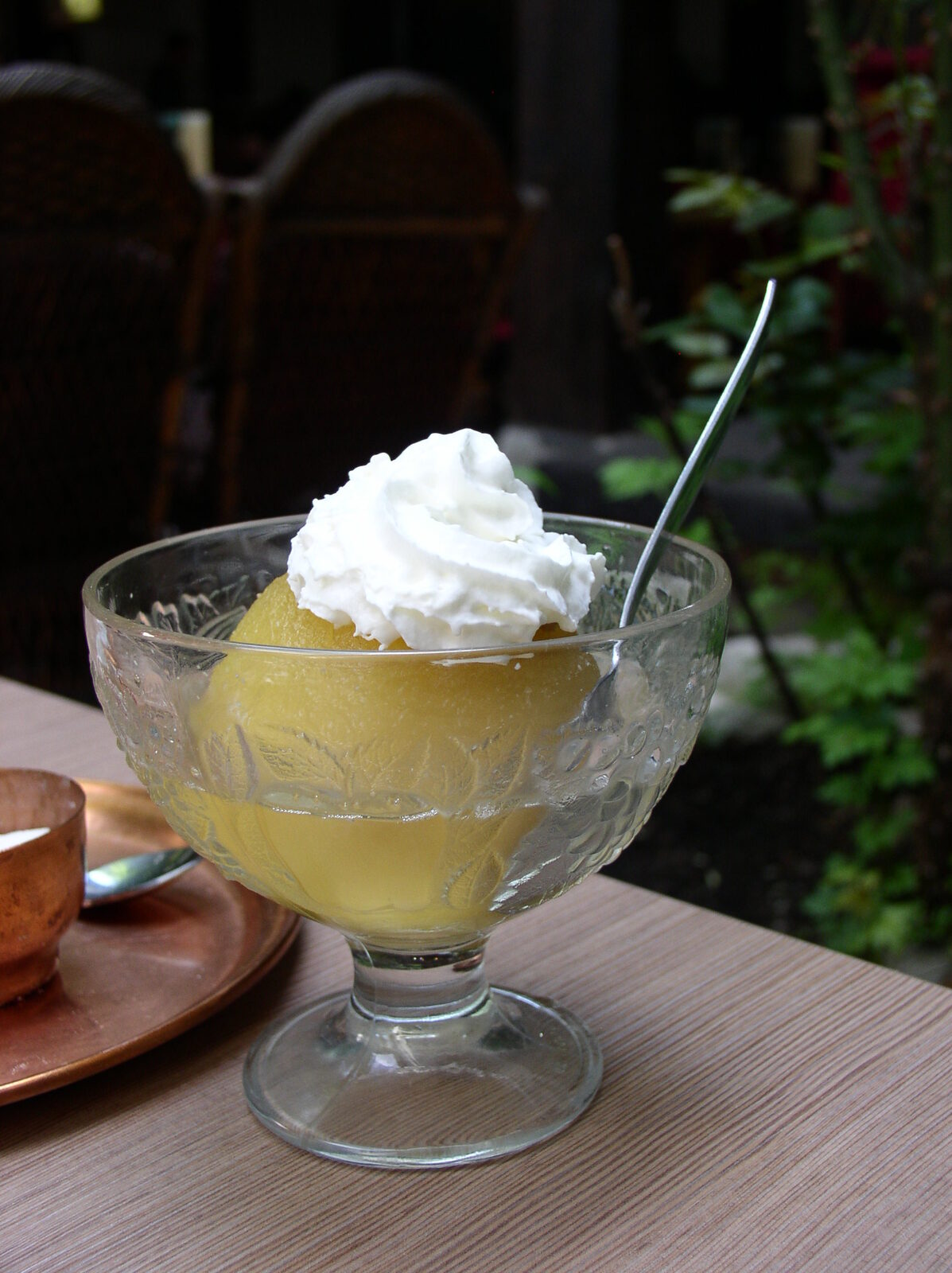

The honest ordering pattern for a first-time family visit: one tufahija to share (the classic experience, and the visual), one boem šnita for a chocolate-inclined child, and a piece of ružice or hurmašice for someone who wants to try the Bosnian nut-and-syrup tradition proper. Add coffee for the adults, water for everyone. Under 25 BAM total for a family of four.
.JPG)
Bad-weather backups
If the sky opens for three days straight or you have a two-week stay to fill, three more places that locals with kids default to — none of them yet has its own page on this site, but each is straightforward to find on a map or an operator’s site:
- Ilidža Thermal Riviera — a 15-hectare thermal-water complex at Ilidža with indoor and outdoor pools, kids’ waterslides, and shallow toddler pools. Year-round, and warmer in winter than any beach anywhere in Bosnia. The tram to Ilidža ends at the entrance area.
- Sunnyland (indoor side) — beyond the alpine coaster, the resort on Trebević carries an indoor playroom, a small synthetic ice rink, and a game room. A rainy Saturday works there.
- Safet Zajko Park — a large municipal outdoor recreation complex in Novi Grad, with a serious playground (slides, swings, climbing frames), grass, and picnic tables. Local families use it heavily; it is not on the tourist maps.
Related reading
- Sarajevo with kids — the full eleven-item plan — prices, queue windows, museum attention spans, and age-specific notes
- Sarajevo bakeries — the shortlist — where to get a cheap, fast meal for a family on foot
- Sunset on Trebević: the nine-minute commute to a different world — the cable car ride and what to do at the top