<?xml version="1.0" encoding="utf-8"?><feed xmlns="http://www.w3.org/2005/Atom" xml:lang="en"><generator uri="https://jekyllrb.com/" version="4.4.1">Jekyll</generator><link href="https://exploresarajevo.com/feed.xml" rel="self" type="application/atom+xml" /><link href="https://exploresarajevo.com/" rel="alternate" type="text/html" hreflang="en" /><updated>2026-06-17T08:28:38+02:00</updated><id>https://exploresarajevo.com/feed.xml</id><title type="html">Explore Sarajevo</title><subtitle>A field journal for Sarajevo. Long-form guides to destinations, neighbourhoods, and hidden corners, written by people who live in the valley and pay for their own coffee.</subtitle><author><name>Nedim Hadzimahmutovic</name><email>h.nedim@gmail.com</email></author><entry><title type="html">Stone, water, and four centuries: the Ottoman bridges of Sarajevo</title><link href="https://exploresarajevo.com/stories/2026/05/ottoman-bridges/" rel="alternate" type="text/html" title="Stone, water, and four centuries: the Ottoman bridges of Sarajevo" /><published>2026-05-30T00:00:00+02:00</published><updated>2026-05-30T00:00:00+02:00</updated><id>https://exploresarajevo.com/stories/2026/05/ottoman-bridges</id><content type="html" xml:base="https://exploresarajevo.com/stories/2026/05/ottoman-bridges/"><![CDATA[<p>Sarajevo had <strong>at least seven Ottoman stone bridges</strong> in its 16th-century prime, when it was one of the largest cities in the Ottoman Balkans. <strong>Four survive</strong>. Three of them are in central Sarajevo, all four are walkable in a single long afternoon. The bridges that didn’t survive (the Emperor’s Bridge, <em>Careva ćuprija</em>, the Rustem Pasha Bridge, and others) were either swept away by the <strong>1791 flood</strong>, demolished during the late-19th-century riverbed regulation under Austria-Hungary, or replaced in the Yugoslav period.</p>

<p>Of the four surviving bridges, three sit on the Miljacka in the central city, and one sits on the Bosna river in Ilidža, twelve kilometres west. The chronological order, with the most reliable construction dates:</p>

<ol>
  <li><strong>The Roman Bridge</strong> (<em>Rimski most</em>) in Ilidža — first half of the 16th century</li>
  <li><strong>Kozija Ćuprija</strong> (the Goat Bridge) — second half of the 16th century</li>
  <li><strong>Šeher-Ćehaja Bridge</strong> — 1585 or 1586</li>
  <li><strong>Latin Bridge</strong> (<em>Latinska ćuprija</em>) — 1798 reconstruction of an earlier 16th-century crossing</li>
</ol>

<p>All four are built in the same Ottoman engineering tradition that produced the <strong>Stari Most in Mostar</strong> (1566), the <strong>Mehmed Paša Sokolović Bridge in Višegrad</strong> (1577), and the bridge at Konjic (1682). The Sarajevo bridges are smaller than the famous regional examples, but the engineering vocabulary is identical: pointed-cutwater piers, semicircular or low-segmented arches, circular flood-relief openings above the spandrels, local limestone, lime-mortar bedding.</p>

<p>What follows is a guide to the four, in order of construction.</p>

<h2 id="1-the-roman-bridge-rimski-most-ilidža--early-16th-century">1. The Roman Bridge (<em>Rimski most</em>), Ilidža — early 16th century</h2>

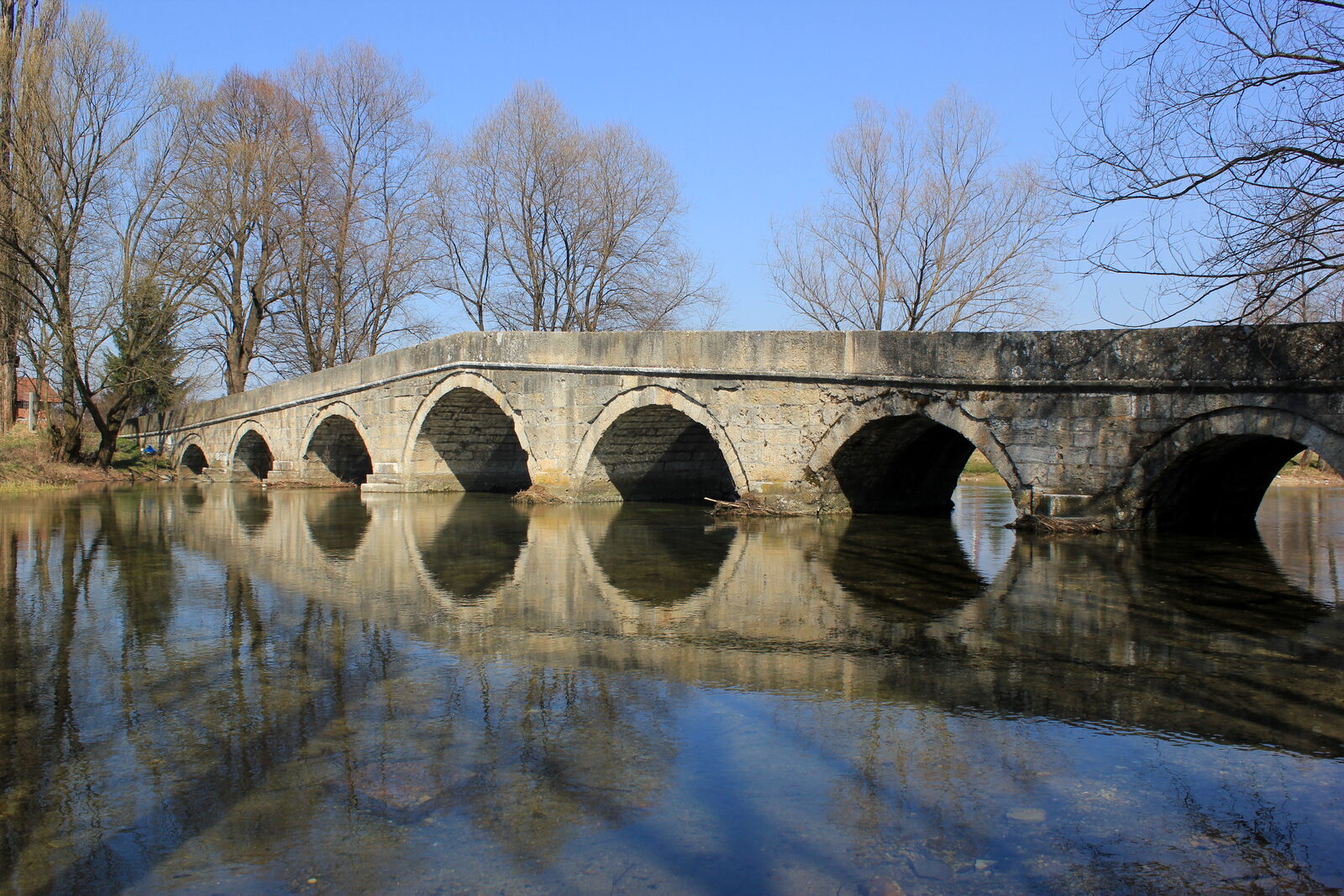
<p>The westernmost and probably the oldest of the four. <strong>52 metres</strong> long, multi-arched, crossing the Bosna river in <strong>Ilidža</strong>, twelve kilometres west of central Sarajevo. The name <em>Rimski most</em> (“Roman bridge”) is a misnomer: the bridge is Ottoman, not Roman, but it was built on the route of an older Roman road, and Roman stone from the nearby settlement of <em>Aquae S…</em> was reused in the masonry. The popular name stuck.</p>

<p>The exact builder is contested. Three Ottoman grand viziers of the 16th century are credited in different sources: <strong>Rustem Pasha</strong> (grand vizier 1544–1553 and 1555–1561), <strong>Semiz Ali Pasha</strong> (1561–1565), and <strong>Gazi Ali Pasha</strong> (in Bosnia around the same period). The construction date is generally given as the first half of the 16th century. The Islamic Arts Magazine source notes that the bridge “demonstrates an extraordinary synergy between architecture and natural environment” (a fair description: the bridge sits low to the water in a wide green meadow at the eastern end of the <strong>Velika Aleja</strong> plane-tree avenue, and the setting itself is one of the more photographed in Bosnia).</p>

<p>The bridge is preserved and walkable. It carries pedestrian traffic only. It is the visual focal point of the walk from Ilidža to the <strong>Vrelo Bosne</strong> springs and back. The full hidden-gem entry: <strong><a href="/hidden-gems/rimski-most/">Rimski most</a></strong>.</p>

<figure class="photo">
  <img src="/assets/img/photos/rimski-most.jpg" alt="The Roman Bridge in Ilidža — a low multi-arched Ottoman stone bridge crossing the Bosna river in a wide green meadow, with pedestrians walking across and the plane trees of Velika Aleja visible behind." loading="lazy" decoding="async" />
  <figcaption class="photo__credit"><span class="photo__caption">The Roman Bridge in Ilidža — Ottoman, despite the name, built on the route of an older Roman road in the first half of the 16th century.</span>
      <span class="photo__sep"></span><span class="photo__attribution">
      Photograph: <strong>Julian Nyča</strong>,
        <a href="https://commons.wikimedia.org/wiki/File:Ilid%C5%BEa_Rimski_most_1.jpg" rel="noopener nofollow">Wikimedia Commons</a>,
        <a href="" rel="noopener nofollow">CC BY-SA 3.0</a></span>
  </figcaption>
</figure>

<h2 id="2-kozija-ćuprija-the-goat-bridge--second-half-of-the-16th-century">2. Kozija Ćuprija (the Goat Bridge) — second half of the 16th century</h2>

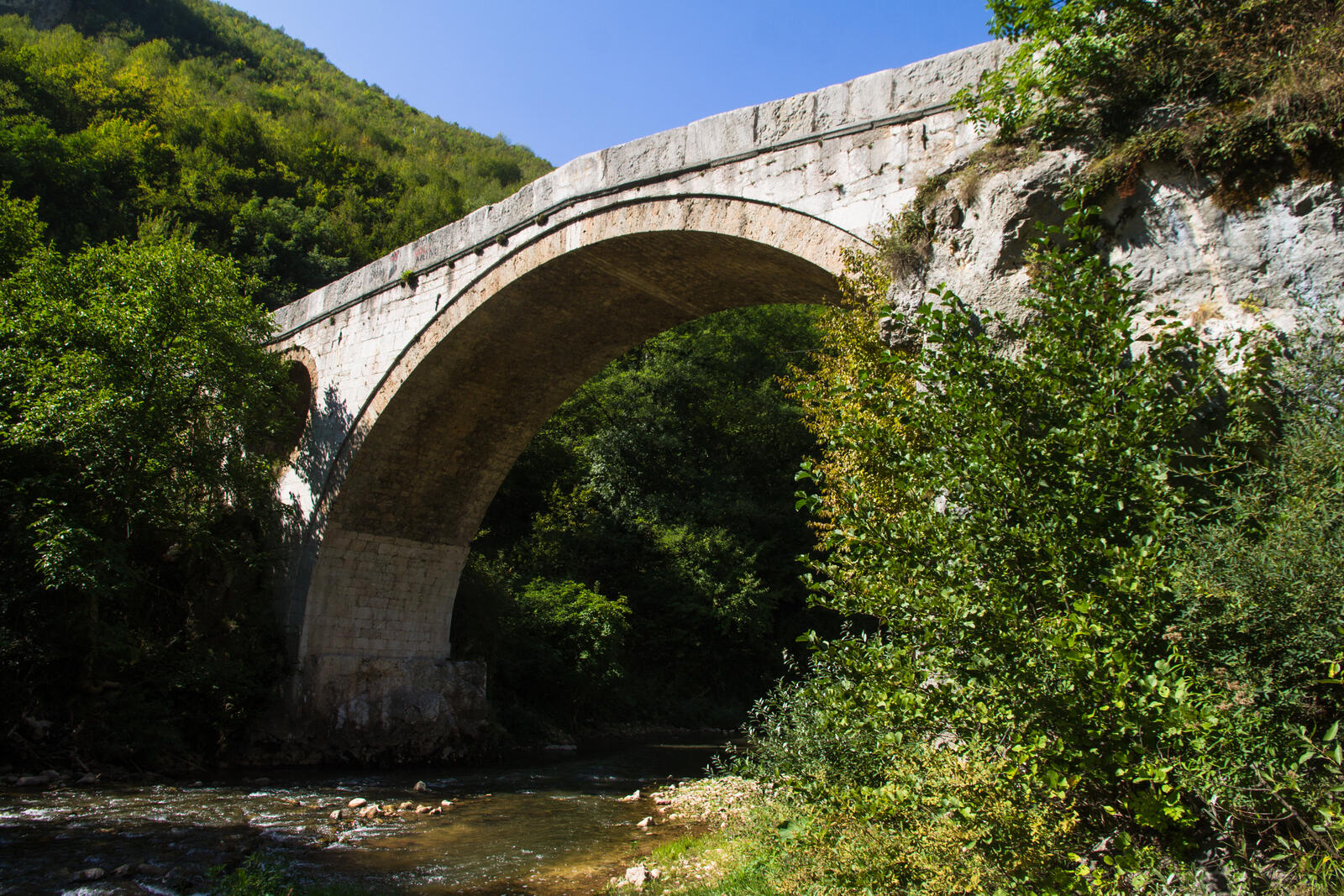
<p>A single high stone arch across the Miljacka, about a kilometre east of central Sarajevo on the road that historically ran out to Pale and to Constantinople. <strong>42 metres</strong> in length, <strong>one large semicircular arch</strong> flanked by <strong>two distinctive circular openings</strong> in the spandrel above the main arch, both structural (they relieve flood pressure) and ornamental (they’re the bridge’s signature visual feature).</p>

<p>The patron is <strong>probably Mehmed Paša Sokolović</strong>, the grand vizier (1565–1579) who, in the same decades, built the great bridge across the Drina at Višegrad: the bridge that won Ivo Andrić the Nobel Prize. The Sarajevo Kozija Ćuprija is smaller and quieter, but the engineering family is the same.</p>

<p>The name <em>Kozja ćuprija</em> (“Goat Bridge”) is the popular nickname; one tradition has it that the bridge marked the point where shepherds crossed the river with their flocks on the way to the eastern pastures. The bridge is unaltered by modern traffic; it carries pedestrians only. The setting is wooded slopes rising on both sides of the Miljacka, the river running through a shallow gorge: one of the prettiest within walking distance of the city centre. Allow forty minutes from the Sebilj on foot, mostly along the south bank.</p>

<p>The full hidden-gem entry: <strong><a href="/hidden-gems/kozija-cuprija/">Kozija Ćuprija</a></strong>.</p>

<figure class="photo">
  <img src="/assets/img/photos/kozija-cuprija.jpg" alt="The Goat Bridge (Kozija Ćuprija) — a single high stone arch over the Miljacka river, set in a wooded gorge, with two distinctive circular openings in the spandrel above the main arch." loading="lazy" decoding="async" />
  <figcaption class="photo__credit"><span class="photo__caption">Kozija Ćuprija in autumn — a single high Ottoman arch with two flood-relief openings, probably built under Mehmed Paša Sokolović in the late 16th century.</span>
      <span class="photo__sep"></span><span class="photo__attribution">
      Photograph: <strong>Alexey Komarov</strong>,
        <a href="https://commons.wikimedia.org/wiki/File:Goat%27s_Bridge,_Sarajevo,_September,_2017-2.jpg" rel="noopener nofollow">Wikimedia Commons</a>,
        <a href="" rel="noopener nofollow">CC BY-SA 4.0</a></span>
  </figcaption>
</figure>

<h2 id="3-šeher-ćehaja-bridge--158586">3. Šeher-Ćehaja Bridge — 1585/86</h2>

<p>The bridge at the <strong>eastern threshold of Baščaršija</strong>, where the bazaar grid meets the climb into Vratnik. Built in <strong>1585 or 1586</strong>, in the late reign of Sultan Murad III, and named after a <strong>šeher-čehaja</strong> (the senior municipal officer of the Ottoman city, a kind of governor). The patron’s full identity is uncertain; sources name a Mehmed-ćehaja and a Sinanudin-ćehaja, both serving in the 1580s.</p>

<p>Originally <strong>five arches</strong> spanning roughly 40 metres. The fifth arch, at the southern end, was <strong>buried in the late 19th century</strong>, during the Austro-Hungarian regulation of the Miljacka. The bridge as you see it today shows <strong>four visible arches</strong> and a slight asymmetry where the buried arch used to be. The pier shapes are pointed on the upstream side, squared on the downstream, in the classic Ottoman bridge geometry. Above the arches, in the masonry of the spandrel, the same circular flood-relief openings appear as on Kozija Ćuprija.</p>

<p>The bridge is small, quiet, and still a working commuter crossing. Local foot traffic and the occasional cyclist, no tour groups. The full destination entry: <strong><a href="/destinations/seher-cehaja-bridge/">Šeher-Ćehaja Bridge</a></strong>.</p>

<h2 id="4-latin-bridge-latinska-ćuprija--1798-reconstruction">4. Latin Bridge (<em>Latinska ćuprija</em>) — 1798 reconstruction</h2>

<p>The most famous of the four, and the most photographed, for entirely non-architectural reasons.</p>

<p>The original Ottoman wooden bridge on this site dated to <strong>1514</strong>. A stone replacement was built in <strong>1538</strong>, the four-arch form that the current bridge inherited. A flood in 1791 damaged it severely; the <strong>current stone bridge was rebuilt in 1798</strong>, funded by a charitable bequest from a Sarajevo merchant named <strong>Abdullah Briga</strong>, who left the funds in his <em>vakuf</em> (Islamic charitable endowment) specifically for the bridge.</p>

<p>The bridge is named after the <strong>Latin mahala</strong> (quarter), the small district on the south bank where the city’s Roman Catholic merchants, mostly from Dubrovnik and the Italian peninsula, settled in the Ottoman period. <em>Latin</em> in Ottoman Sarajevo meant Roman Catholic or Italian, not classical Latin. The neighbourhood is gone; the bridge name survives.</p>

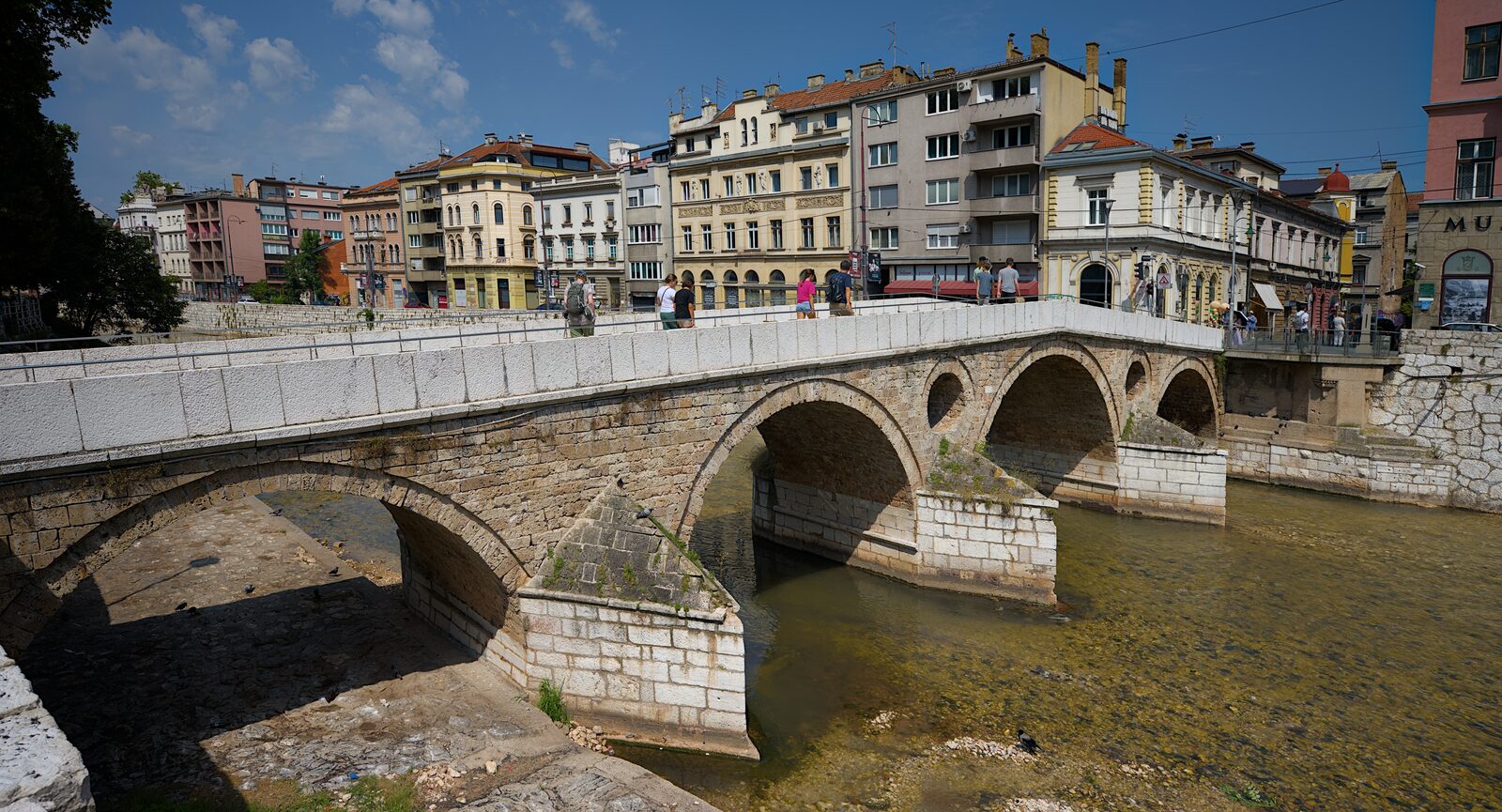
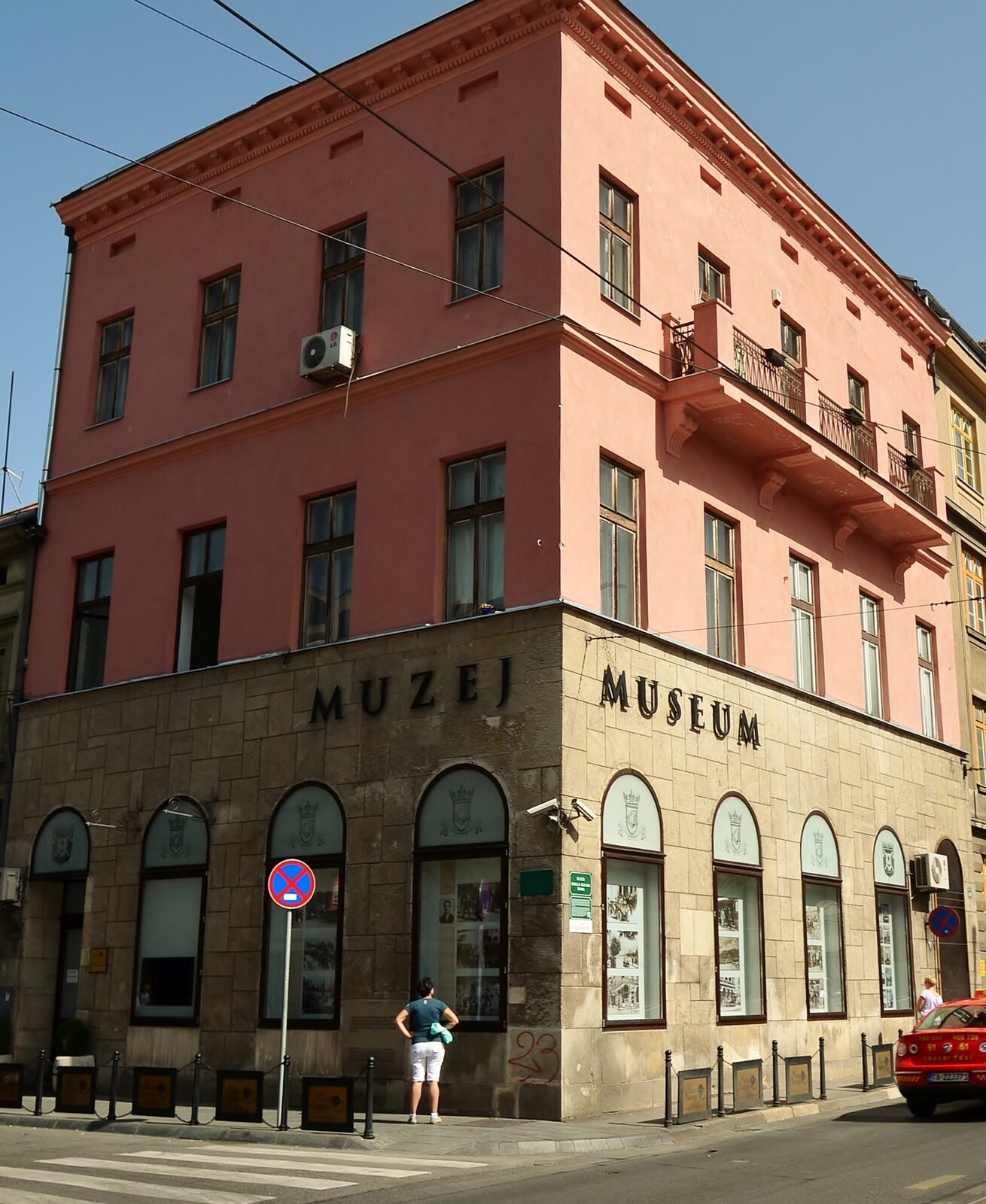
<p>Four visible arches today; the original 1538 version may have had five (the historiography is uncertain). It is the most-photographed Ottoman bridge in Sarajevo because <strong>Gavrilo Princip assassinated Archduke Franz Ferdinand at the north foot of the bridge on 28 June 1914</strong>. For a hundred years afterwards the bridge was variously renamed “Princip Bridge” (Yugoslav era) and back to “Latin Bridge” (post-1990s). The full destination entry: <strong><a href="/destinations/latin-bridge/">Latin Bridge</a></strong>, and the museum on the corner: <strong><a href="/hidden-gems/museum-of-sarajevo-1878-1918/">Museum of Sarajevo 1878–1918</a></strong>.</p>

<h2 id="engineering-in-one-paragraph">Engineering, in one paragraph</h2>

<p>All four bridges share a small set of construction techniques:</p>

<ul>
  <li><strong>Local limestone</strong> quarried within walking distance, set in <strong>lime mortar</strong>.</li>
  <li><strong>Pointed-cutwater piers</strong> on the upstream side, <strong>squared</strong> on the downstream, to deflect flood water and ice.</li>
  <li><strong>Semicircular or low-segmented arches</strong>, the proportions varying with the span.</li>
  <li><strong>Circular flood-relief openings</strong> in the spandrel above the arches, structural and ornamental at once.</li>
  <li><strong>Low parapet</strong> — Ottoman bridges were built for pedestrians and pack animals, not for modern motor traffic.</li>
</ul>

<p>The engineering vocabulary travelled from Istanbul down the Bosnian rivers, was implemented by a generation of imperial architects whose names are mostly lost, and produced bridges that mostly outlasted the empire that built them.</p>

<h2 id="the-walk-in-one-afternoon">The walk, in one afternoon</h2>

<p>The three central-city bridges can be done as a single walk; the Roman Bridge in Ilidža is a separate half-day. The recommended sequence for the three:</p>

<ol>
  <li><strong>Latin Bridge</strong> (5 minutes) — start at the Sebilj, walk five minutes south to the river. Stand on the bridge; cross to the south bank.</li>
  <li><strong>Šeher-Ćehaja Bridge</strong> (15 minutes east along south bank) — walk east on the south bank of the Miljacka, past the <strong>Inat Kuća</strong>, to the bridge at the foot of the Vratnik climb. Cross to the north bank.</li>
  <li><strong>Kozija Ćuprija</strong> (25 minutes east along north bank, through Bentbaša) — continue east, leaving the city’s central grid, into the small gorge where the Miljacka narrows. The setting changes from urban to almost rural. The bridge appears around a bend.</li>
</ol>

<p>Total: about <strong>75 minutes</strong> of walking, plus stops. <strong>Two hours</strong> if you take your time on each bridge.</p>

<p>For the <strong>Roman Bridge in Ilidža</strong>, plan a separate half-day. Take tram 3 to the end of the line (Ilidža), walk the <strong>Velika Aleja</strong> — the kilometre-long plane-tree avenue — to the Vrelo Bosne springs at the western end, and pick up the Roman Bridge near the start of the avenue. The full destination: <strong><a href="/destinations/vrelo-bosne/">Vrelo Bosne</a></strong>.</p>

<h2 id="what-was-lost">What was lost</h2>

<p>Of the <strong>seven or more Ottoman stone bridges</strong> that the city held in its 16th-century prime, the four above are what remain. The losses, with what we know about them:</p>

<ul>
  <li><strong>Careva ćuprija</strong> (Emperor’s Bridge) — built in <strong>1510</strong>, named for the early Ottoman sultans whose images decorated the original stonework. Destroyed twice by floods (1791 most catastrophically), reconstructed in iron during the Habsburg period, and finally replaced with the current modern bridge that carries the name.</li>
  <li><strong>The Rustem Pasha Bridge</strong> — date uncertain, 16th century, lost in the Austro-Hungarian riverbed regulation.</li>
  <li><strong>Additional smaller crossings</strong> that linked the south bank Latin and Catholic quarters to the city’s mosque-dense north bank.</li>
</ul>

<p>The <strong>1791 flood</strong> was the single most catastrophic event in the bridges’ history. It damaged or destroyed almost every Ottoman stone bridge in central Sarajevo, including the Latin Bridge, which had to be reconstructed in 1798. The Šeher-Ćehaja, Kozija Ćuprija, and Roman Bridge survived 1791 with damage but stood.</p>

<p>The 1992–1995 siege damaged the central bridges with mortar and small-arms fire but did not destroy any of them. The structural integrity of all four surviving bridges has been intact since the 18th century. <em>Vala</em>, the Ottoman engineers built for floods, sieges, and 21st-century traffic. Not bad for the 1530s.</p>

<h2 id="further-reading">Further reading</h2>

<ul>
  <li><a href="/destinations/latin-bridge/">Latin Bridge</a> — the 1798 reconstruction, with the assassination corner.</li>
  <li><a href="/destinations/seher-cehaja-bridge/">Šeher-Ćehaja Bridge</a> — 1585/86, the eastern threshold of Baščaršija.</li>
  <li><a href="/hidden-gems/kozija-cuprija/">Kozija Ćuprija</a> — late 16th century, probably Mehmed Paša Sokolović.</li>
  <li><a href="/hidden-gems/rimski-most/">Rimski most</a> — early 16th century, in Ilidža.</li>
  <li><a href="/stories/2026/05/sarajevo-architecture/">Two empires that built Sarajevo</a> — the wider architecture story.</li>
</ul>]]></content><author><name>Nedim Hadzimahmutovic</name></author><category term="Heritage" /><category term="bridges" /><category term="ottoman" /><category term="architecture" /><category term="miljacka" /><category term="history" /><category term="walking-tour" /><summary type="html"><![CDATA[Sarajevo had at least seven Ottoman stone bridges in its 16th-century prime. Four survive: Šeher-Ćehaja (1585), Kozija Ćuprija (16th c.), the Latin Bridge (1798 reconstruction), and the Roman Bridge in Ilidža (early 16th c.). All four are walkable on a single long afternoon. Here is the chronology, the engineering, and the route.]]></summary></entry><entry><title type="html">Two empires that built Sarajevo: a walking architecture guide</title><link href="https://exploresarajevo.com/stories/2026/05/sarajevo-architecture/" rel="alternate" type="text/html" title="Two empires that built Sarajevo: a walking architecture guide" /><published>2026-05-30T00:00:00+02:00</published><updated>2026-05-30T00:00:00+02:00</updated><id>https://exploresarajevo.com/stories/2026/05/sarajevo-architecture</id><content type="html" xml:base="https://exploresarajevo.com/stories/2026/05/sarajevo-architecture/"><![CDATA[<p>Sarajevo is the only European capital where you can walk for ninety minutes in a straight line and pass through <strong>four centuries of architecture</strong>. From the Ottoman foundation in <strong>1462</strong> to the end of Habsburg rule in <strong>1918</strong> is a span of 456 years, and the buildings that survived earthquakes, fires, three world wars, and the 1992–1995 siege still stand in something close to their original geography. <strong>One street — Ferhadija continuing as Sarači — runs from the Eternal Flame to the Sebilj fountain, and reads as a textbook of the city’s architectural history.</strong></p>

<p>This guide walks that line, building by building, in the order you encounter them. Two empires built almost everything you see: the <strong>Ottoman</strong> (1462–1878) and the <strong>Austro-Hungarian</strong> (1878–1918). A handful of architects, mostly Czech, did most of the Habsburg work. Their names are worth knowing.</p>

<p>The full walk, at a slow pace with stops, runs about <strong>two and a half hours</strong>. At a brisk pace, eighty minutes. Pick a clear afternoon. Start at the Latin Bridge.</p>

<h2 id="the-two-empires-in-one-sentence-each">The two empires, in one sentence each</h2>

<p><strong>The Ottoman city (1462–1878).</strong> Sarajevo was founded by <strong>Isa-beg Ishaković</strong>, the Ottoman governor of the Bosnian Sanjak. He built five core institutions of an Islamic city on the floodplain of the Miljacka river: a hammam, a mosque, a hostel for travellers, a market, and a bridge. The bazaar <strong>Baščaršija</strong> grew out from his market, the city outward from the bazaar.</p>

<p><strong>The Habsburg city (1878–1918).</strong> After the <strong>Congress of Berlin in 1878</strong>, Austria-Hungary occupied Bosnia and the city’s population quintupled within forty years. The Habsburg administration, particularly the joint Finance Minister <strong>Benjamin von Kállay</strong>, built a parallel European city to the west of Baščaršija, separated by a single brass line in the pavement (you will walk across it). The two cities did not merge. They stood side by side.</p>

<p>The buildings below are organised by period and, within each period, by where they sit on the walk.</p>

<hr />

<h2 id="the-ottoman-period-14621878">The Ottoman period (1462–1878)</h2>

<h3 id="gazi-husrev-beg-mosque-1531">Gazi Husrev-beg Mosque (1531)</h3>

<p>The largest and most architecturally complete Ottoman complex in the western Balkans, built between <strong>1530 and 1531</strong> for <strong>Gazi Husrev-beg</strong>, the Ottoman governor of Bosnia from 1521 to 1541. The mosque itself sits at the heart of a <strong>küllije</strong>: a religious-civic complex that included the mosque, a madrasa, a public kitchen for the poor (the <em>imaret</em>), a clock tower, an ablution fountain, the founder’s mausoleum (<em>türbe</em>), and a covered bezistan. Most of it is still intact and functioning. The minaret is <strong>45 metres</strong>, and the central dome remains the largest dome anywhere in Bosnia.</p>

<p>The presumed architect was <strong>Acem Esir Ali</strong>, a builder trained in Istanbul under Mimar Sinan’s circle, though the documentary evidence is thin.</p>

<figure class="photo">
  <img src="/assets/img/photos/gazi-husrev-beg-mosque-2.jpg" alt="The Gazi Husrev-beg Mosque on Sarači street, with its central dome and 45-metre stone minaret rising over the courtyard fountain and the surrounding bazaar low buildings." loading="lazy" decoding="async" />
  <figcaption class="photo__credit"><span class="photo__caption">The Gazi Husrev-beg Mosque — the architectural centrepiece of Ottoman Sarajevo, in continuous worship since 1531.</span>
      <span class="photo__sep"></span><span class="photo__attribution">
      Photograph: <strong>Julian Nyča</strong>,
        <a href="https://commons.wikimedia.org/wiki/File:Gazi_Husrev-beg_Mosque_2018.jpg" rel="noopener nofollow">Wikimedia Commons</a>,
        <a href="" rel="noopener nofollow">CC BY-SA 3.0</a></span>
  </figcaption>
</figure>

<p>The full destination entry: <strong><a href="/destinations/gazi-husrev-beg-mosque/">Gazi Husrev-beg Mosque</a></strong>.</p>

<h3 id="morića-han-16th-century">Morića Han (16th century)</h3>

<p>A single surviving <strong>caravanserai</strong> of Ottoman Baščaršija, on Sarači street. Hans were the empire’s road-network infrastructure: a courtyard with stables on the ground floor and lodging for traders on the upper floor, built at one-day’s-march intervals across the Ottoman territories. Sarajevo had several; only Morića Han remains in something close to its original form. It is now a café and small shop with the original courtyard intact. The upper floor has been a restaurant for at least two centuries.</p>

<p>The full hidden-gem entry: <strong><a href="/destinations/morica-han/">Morića Han</a></strong>.</p>

<h3 id="baščaršija-1462-onward">Baščaršija (1462 onward)</h3>

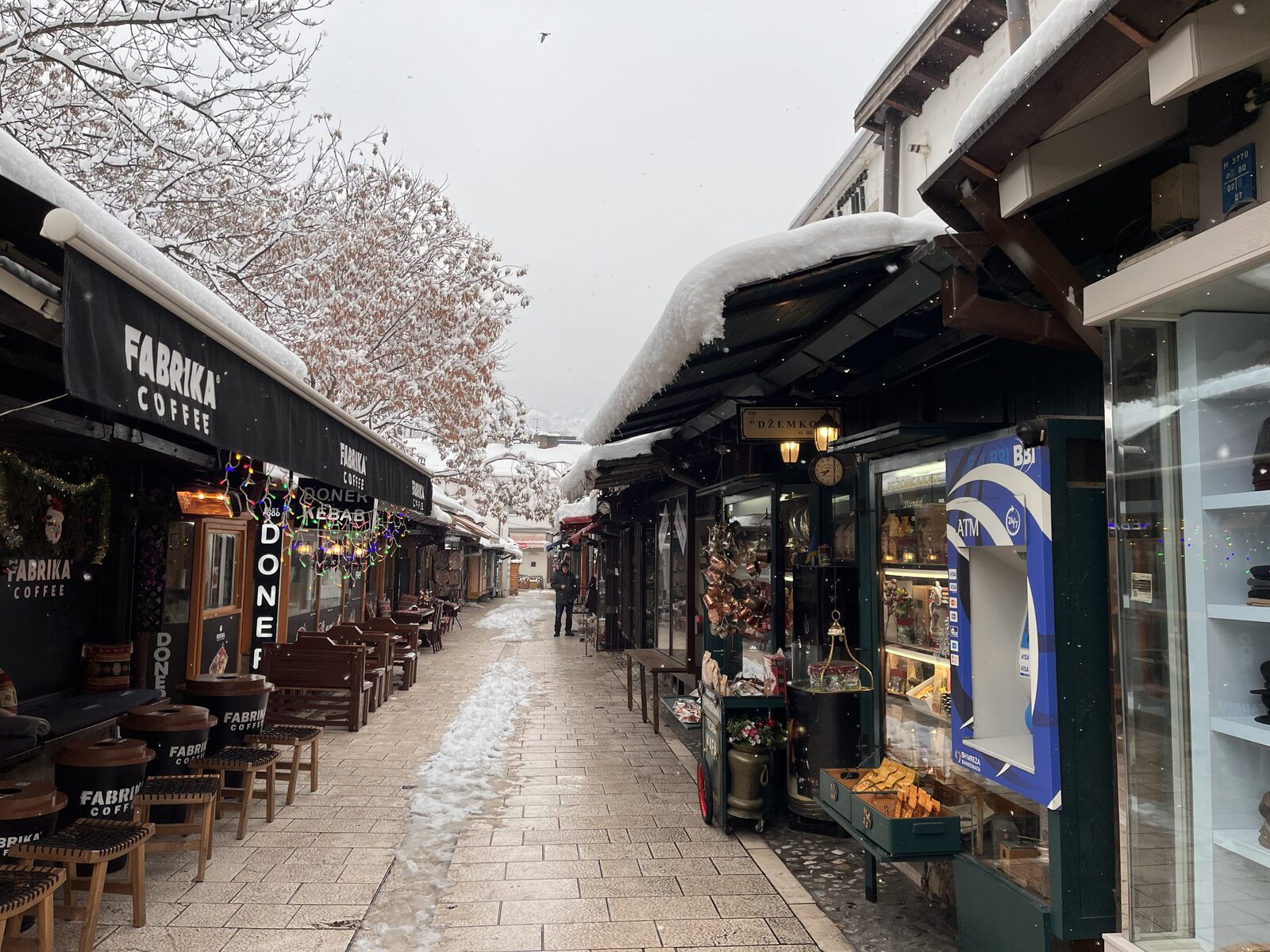
<p>Not a single building but a continuous urban fabric. The bazaar grew from Isa-beg’s 1462 market and, by the 16th century, contained around <strong>80 different craft streets</strong>, each named for its trade: Kazandžiluk (coppersmiths), Sarači (saddle-makers), Kujundžiluk (goldsmiths), Halači (cotton-fluffers), Bravadžiluk (locksmiths), and so on. The street naming is <strong>600 years old</strong> and is itself the heritage. A guide to pronouncing them is <a href="/stories/2026/05/pronouncing-the-bazaar/">here</a>.</p>

<p>By the end of the 19th century, after multiple <strong>earthquakes and fires</strong> (particularly the 1879 fire that destroyed Tašlihan), Baščaršija had shrunk to roughly half its 16th-century footprint. What remains is the densely-built core around the Sebilj.</p>

<figure class="photo">
  <img src="/assets/img/photos/saraci.jpg" alt="Sarači — the long Ottoman pedestrian spine of Baščaršija, from the Sebilj to the Gazi Husrev-beg Mosque, lined with low stone shopfronts." loading="lazy" decoding="async" />
  <figcaption class="photo__credit"><span class="photo__caption">Sarači — the canonical Ottoman pedestrian street. The cobbles you walk on are the same surface 16th-century saddle-makers walked on.</span>
      <span class="photo__sep"></span><span class="photo__attribution">
      Photograph: <strong>Niegodzisie</strong>,
        <a href="https://commons.wikimedia.org/wiki/File:2023.01.22_Sarajevo,_Sara%C4%8Di_2.jpg" rel="noopener nofollow">Wikimedia Commons</a>,
        <a href="" rel="noopener nofollow">CC BY-SA 4.0</a></span>
  </figcaption>
</figure>

<h3 id="the-sebilj-1753-rebuilt-1891">The Sebilj (1753, rebuilt 1891)</h3>

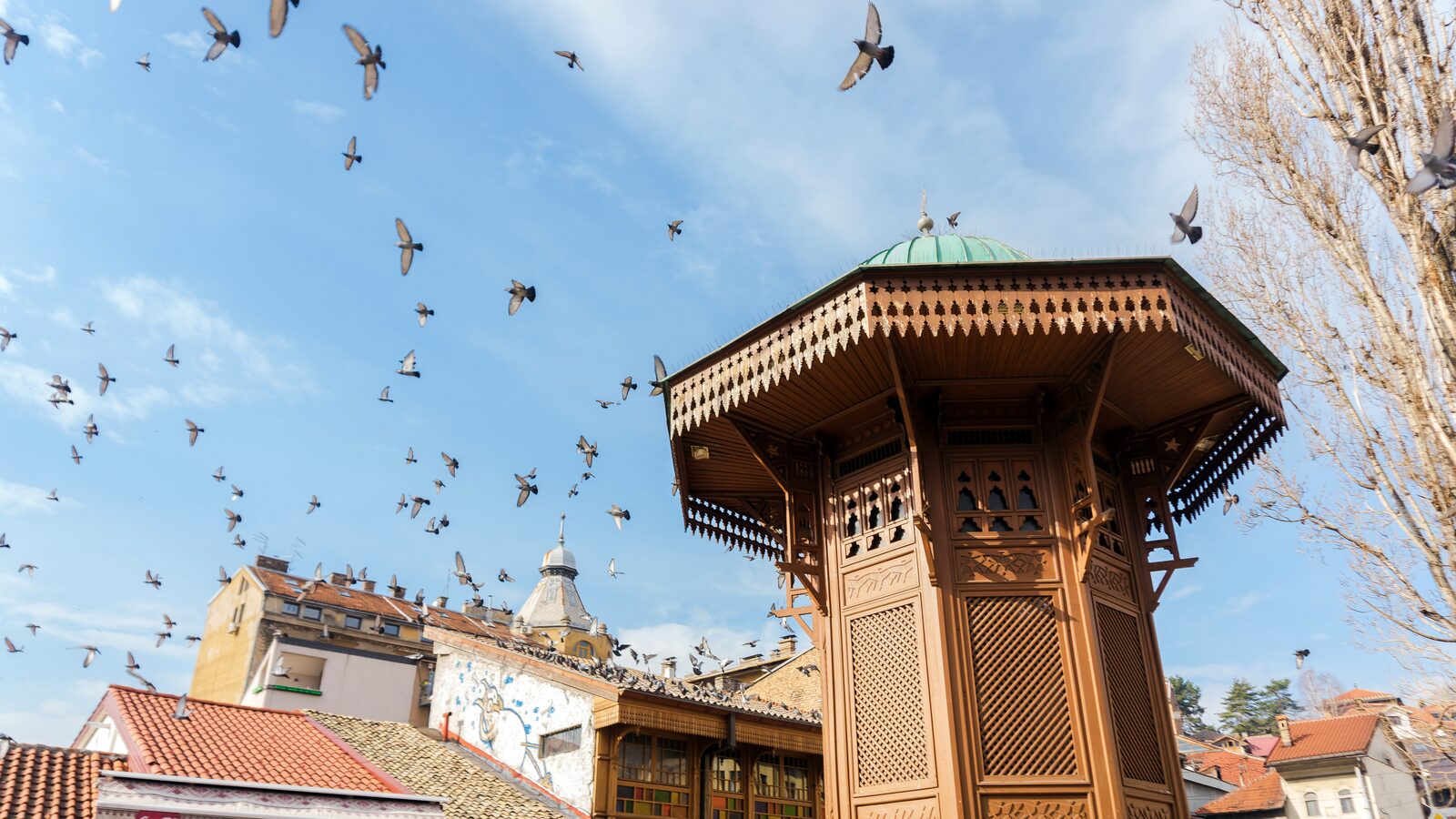
<p>The covered wooden fountain at the centre of Baščaršija, built in <strong>1753</strong> by the Ottoman governor <strong>Mehmed Paša Kukavica</strong>. After the 1879 fire it was destroyed; the current structure was rebuilt in <strong>1891</strong> by the Czech architect <strong>Aleksandar Wittek</strong>, the same architect who designed Vijećnica. Replicas of the Sebilj have since been built in Belgrade, Sofia, and other Balkan capitals, but the original is here. Feed the pigeons.</p>

<p>The full destination: <strong><a href="/destinations/sebilj/">The Sebilj</a></strong>.</p>

<h3 id="latin-bridge-1798">Latin Bridge (1798)</h3>

<p>The small four-arch stone bridge over the Miljacka that became, by accident of history, the most-photographed Ottoman structure in Sarajevo. The wooden version dated to <strong>1514</strong>; the stone replacement to <strong>1538</strong>; the current four-arch form to <strong>1798</strong> after a flood. On 28 June 1914, <strong>Gavrilo Princip</strong> assassinated Archduke Franz Ferdinand at the north foot of the bridge. The full destination entry: <strong><a href="/destinations/latin-bridge/">Latin Bridge</a></strong>, and the museum on the corner: <strong><a href="/hidden-gems/museum-of-sarajevo-1878-1918/">Museum of Sarajevo 1878–1918</a></strong>.</p>

<figure class="photo">
  <img src="/assets/img/photos/latin-bridge.jpg" alt="The Latin Bridge — a small four-arch Ottoman stone bridge over the Miljacka, with the corner Habsburg-era building on the north bank where the assassination of 1914 took place." loading="lazy" decoding="async" />
  <figcaption class="photo__credit"><span class="photo__caption">The Latin Bridge — four arches in stone, 1798. The assassination corner is the brick building on the far right of the frame.</span>
      <span class="photo__sep"></span><span class="photo__attribution">
      Photograph: <strong>Miha Peče</strong>,
        <a href="https://commons.wikimedia.org/wiki/File:Latin_Bridge_2023.jpg" rel="noopener nofollow">Wikimedia Commons</a>,
        <a href="" rel="noopener nofollow">CC BY-SA 4.0</a></span>
  </figcaption>
</figure>

<h3 id="kozija-ćuprija-15th16th-century">Kozija ćuprija (15th–16th century)</h3>

<p>A single-arch stone bridge across the Miljacka east of the city, on the road to Pale. Probably 15th-century Ottoman; the engineering is straightforward and the setting is one of the most photographable along the river. The full hidden-gem: <strong><a href="/hidden-gems/kozija-cuprija/">Kozija Ćuprija</a></strong>.</p>

<hr />

<h2 id="the-habsburg-period-18781918">The Habsburg period (1878–1918)</h2>

<p>The forty years between 1878 and 1918 produced more Sarajevo architecture than the preceding four centuries. The reasons were demographic and ideological. The city grew rapidly. The Habsburg administration set out to make Sarajevo a <em>cultural capital</em> of the empire, modelled on the smaller provincial capitals of Bohemia and Moravia. The architects were almost all Czechs sent south to do the work. <strong>Karel Pařík</strong> (sometimes spelled Karlo Paržik) alone designed close to <strong>70 public buildings</strong> in the city.</p>

<h3 id="vijećnica--sarajevo-city-hall-18911896">Vijećnica — Sarajevo City Hall (1891–1896)</h3>

<p>The <strong>single most-photographed building in Sarajevo</strong>, on the north bank of the Miljacka at the eastern edge of the centre. Built between <strong>1891 and 1896</strong> in the <strong>Pseudo-Moorish style</strong> the Habsburg administration adopted for civic buildings in Muslim-majority cities. The original concept was by <strong>Karel Pařík</strong>; the detailed design was completed by <strong>Aleksandar Wittek</strong> (who died before completion); the final building was supervised by <strong>Ćiril Iveković</strong>.</p>

<p>The striped sandstone façade, horseshoe arches, and elaborate muqarnas (stalactite vaulting) over the entrance read as Andalusian and North African. The Habsburgs wanted a “Bosnian style” that would be visually legible as <em>Eastern</em> without being specifically Ottoman.</p>

<p>The building functioned as City Hall until 1949, then as the <strong>National and University Library of Bosnia and Herzegovina</strong> until 25 August 1992, when it was deliberately shelled by Bosnian Serb forces during the siege. Approximately <strong>2 million books</strong> burned. The building was rebuilt with EU and Spanish funding and <strong>reopened on 9 May 2014</strong>.</p>

<p>The full destination: <strong><a href="/destinations/vijecnica/">Vijećnica</a></strong>.</p>

<h3 id="sacred-heart-cathedral-18841889">Sacred Heart Cathedral (1884–1889)</h3>

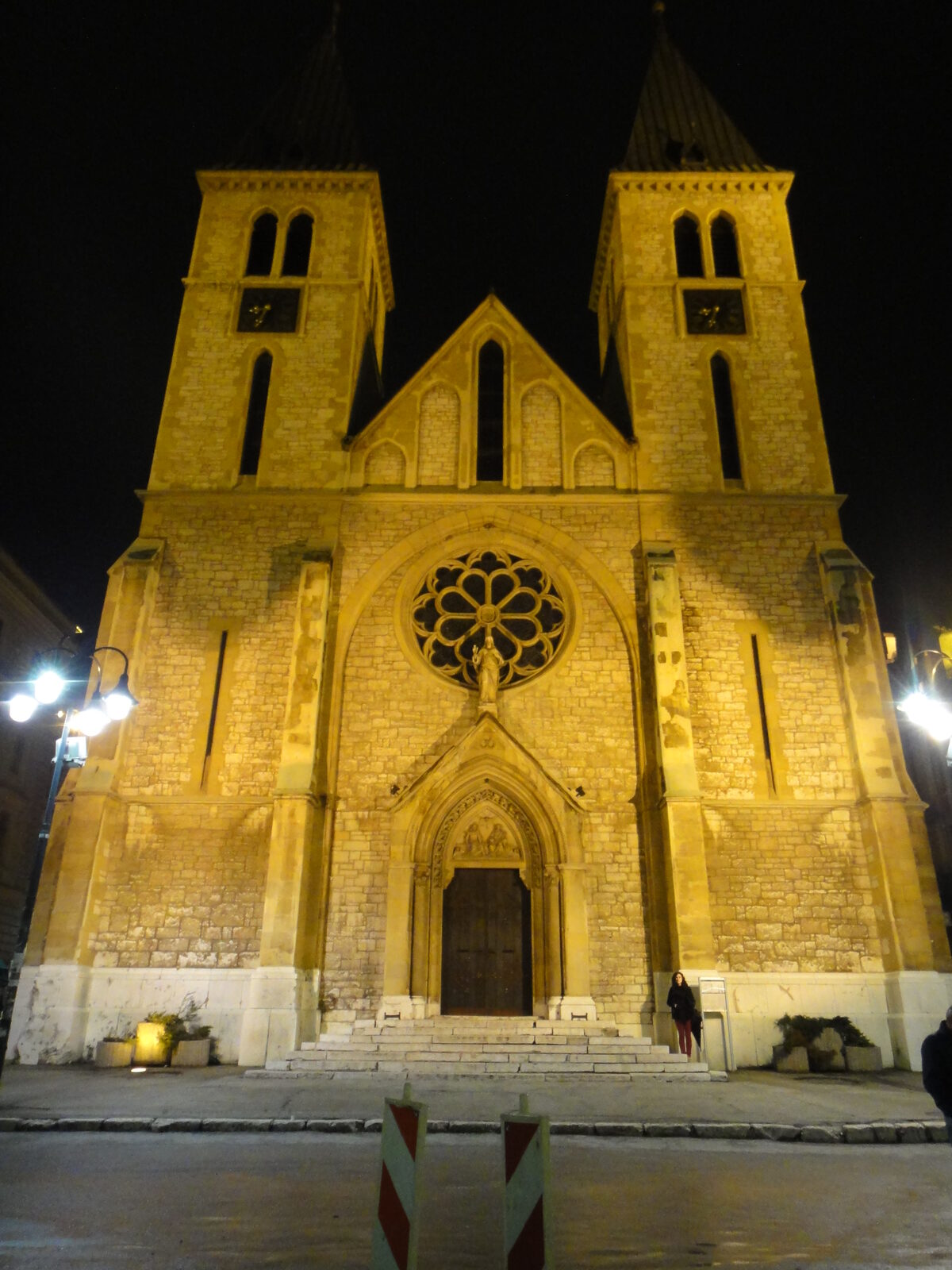
<p>The largest Catholic cathedral in Bosnia and Herzegovina, designed by <strong>Josip Vancaš</strong> in the <strong>Neo-Gothic style</strong> and built between 1884 and 1889. The two towers rise 43.2 metres. The façade is closely modelled on <strong>Notre-Dame de Dijon</strong>, and the interior is a recognisable late-19th-century Central European Gothic Revival. In a city where Catholic, Orthodox, Jewish, and Muslim religious buildings stand within a few hundred metres of each other, this is the Catholic anchor.</p>

<figure class="photo">
  <img src="/assets/img/photos/sacred-heart-cathedral-3.jpg" alt="The Sacred Heart Cathedral, a Neo-Gothic stone cathedral with two pinnacled towers, photographed from Trg Fra Grge Martića with the cobbled pedestrian square in the foreground." loading="lazy" decoding="async" />
  <figcaption class="photo__credit"><span class="photo__caption">The Sacred Heart Cathedral by Josip Vancaš, completed 1889. The square in front is the western edge of Ferhadija.</span>
      <span class="photo__sep"></span><span class="photo__attribution">
      Photograph: <strong>Sebastian Müller</strong>,
        <a href="https://commons.wikimedia.org/wiki/File:Bosnien_catholic_church_in_Sarajevo-2.jpg" rel="noopener nofollow">Wikimedia Commons</a>,
        <a href="" rel="noopener nofollow">CC BY-SA 2.0</a></span>
  </figcaption>
</figure>

<p>The full destination: <strong><a href="/destinations/sacred-heart-cathedral/">Sacred Heart Cathedral</a></strong>.</p>

<h3 id="ashkenazi-synagogue-1902">Ashkenazi Synagogue (1902)</h3>

<p>Designed by <strong>Karel Pařík</strong> in <strong>Pseudo-Moorish style</strong>, built <strong>1902</strong> on the south bank of the Miljacka. The Ashkenazi Jews who arrived in Sarajevo under Habsburg rule needed their own synagogue. The existing Sephardic synagogues in Baščaršija belonged to the older, longer-established Sephardic community. The choice of Moorish style for an Ashkenazi synagogue was a deliberate gesture: it visually paralleled the older Sephardic tradition by referencing Iberian Jewish architecture.</p>

<p>The synagogue is still functioning. It is the <strong>largest active synagogue in southeastern Europe</strong> and one of the few Sephardic-style synagogues still in use anywhere in the world. The full hidden-gem entry: <strong><a href="/destinations/ashkenazi-synagogue/">Ashkenazi Synagogue</a></strong>.</p>

<h3 id="the-main-post-office--glavna-pošta-19071913">The Main Post Office — <em>Glavna pošta</em> (1907–1913)</h3>

<p>Designed by <strong>Josip Vancaš</strong> in the <strong>Vienna Secession style</strong> (the Austro-Hungarian variant of Art Nouveau), completed in 1913. The most explicitly Secession-style major building in Sarajevo. Located on Obala Kulina Bana between the Latin Bridge and the Cumurija Bridge. The interior central hall, with its stained glass and decorative ironwork, is one of the most coherent Secession interiors anywhere in the former Habsburg territories.</p>

<p>The building is still a working post office, and the central hall is open to the public during operating hours.</p>

<figure class="photo">
  <img src="/assets/img/photos/main-post-office.jpg" alt="The Main Post Office of Sarajevo, a 1907–1913 Vienna Secession building by Josip Vancaš, with its rusticated stone ground floor, ornamented upper façade, and central decorative entry." loading="lazy" decoding="async" />
  <figcaption class="photo__credit"><span class="photo__caption">The Main Post Office, Josip Vancaš 1907–1913 — the most monumental Vienna Secession building in Bosnia and Herzegovina.</span>
      <span class="photo__sep"></span><span class="photo__attribution">
      Photograph: <strong>Fred Romero</strong>,
        <a href="https://commons.wikimedia.org/wiki/File:Sarajevo_-_Zgrada_glavne_po%C5%A1te_u_Sarajevu_(49094944983).jpg" rel="noopener nofollow">Wikimedia Commons</a>,
        <a href="" rel="noopener nofollow">CC BY 2.0</a></span>
  </figcaption>
</figure>

<h3 id="national-museum-of-bosnia-and-herzegovina-19091913">National Museum of Bosnia and Herzegovina (1909–1913)</h3>

<p>Designed by <strong>Karel Pařík</strong> and built in <strong>Neo-Renaissance style with Classicist elements</strong>. <strong>Four separate pavilions arranged around a central botanical courtyard</strong>, completed in 1913. The deliberate choice of four pavilions, rather than a single monumental block, reflected the museum’s collection: archaeology, ethnology, natural history, and library/manuscripts, each in its own building. The botanical garden between them, planted with indigenous Bosnian species in 1913, is still growing.</p>

<p>The museum houses, in a controlled-light vault on the lower floor, the <strong><a href="/stories/2026/05/sarajevo-haggadah/">Sarajevo Haggadah</a></strong>, a 14th-century Sephardic illuminated manuscript that is the country’s single most internationally famous holding.</p>

<p>The full hidden-gem entry: <strong><a href="/hidden-gems/national-museum-of-bih/">National Museum of BiH</a></strong>.</p>

<h3 id="palace-of-justice-later-19th-century">Palace of Justice (later 19th century)</h3>

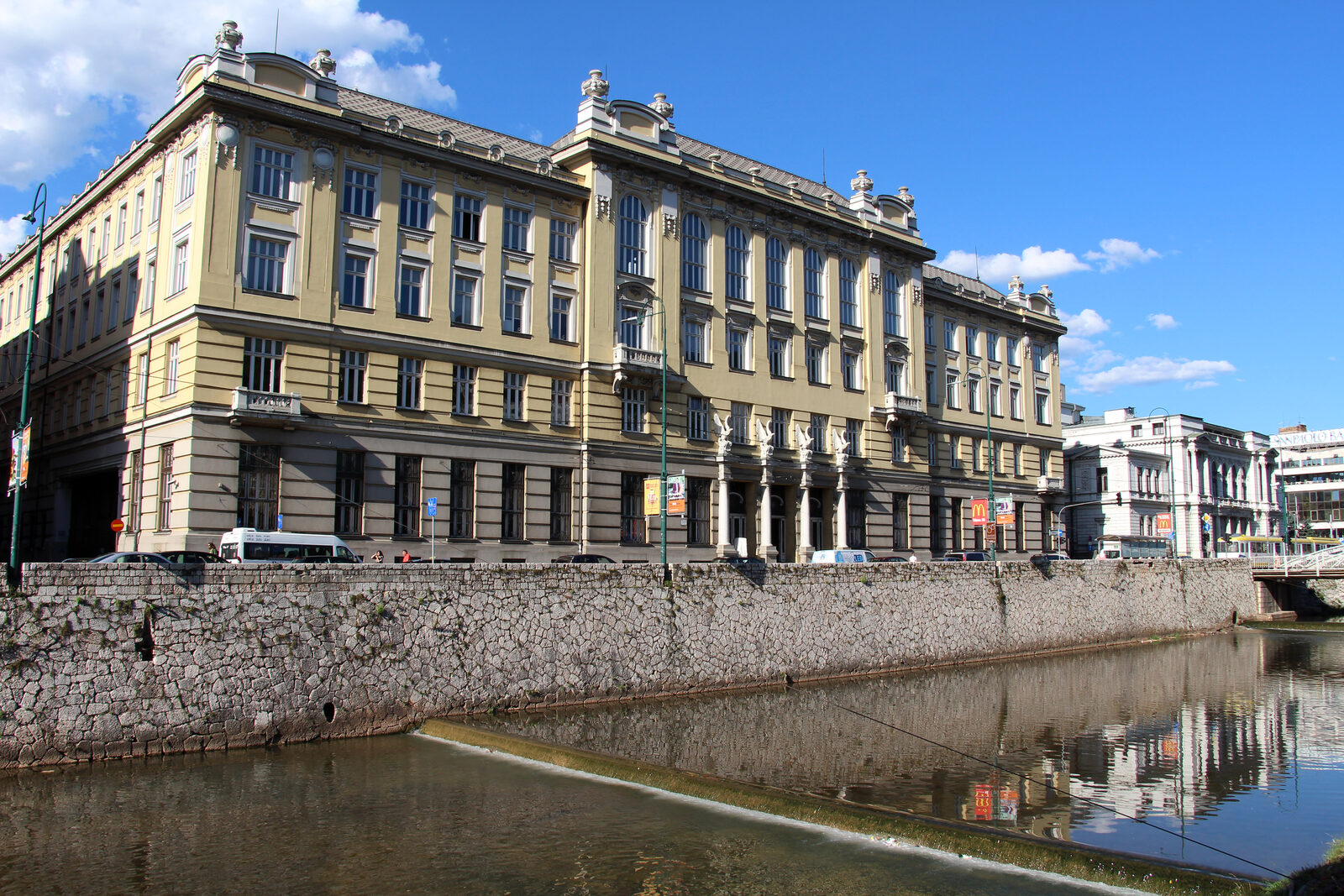
<p>Designed by <strong>Karel Pařík</strong> as the Habsburg administrative building for Bosnia, now the Faculty of Law of the University of Sarajevo. On Obala Kulina Bana, west of the Latin Bridge. A more restrained, monumental Neoclassical block than Pařík’s Pseudo-Moorish work. The choice of style indicates the function (law, administration) rather than the cultural context.</p>

<h3 id="national-theatre-18981899">National Theatre (1898–1899)</h3>

<p>Also by <strong>Karel Pařík</strong>, built <strong>1898–1899</strong> on Obala Kulina Bana. The theatre still functions in its original use, programming both Bosnian and international productions. The façade is restrained Neo-Renaissance; the interior preserves the original Habsburg-era stage and tiered seating.</p>

<h3 id="the-eternal-flame-and-the-landesbank-building-1893">The Eternal Flame and the Landesbank Building (1893)</h3>

<p>At the western end of Ferhadija stands <strong>Trg oslobođenja</strong> (“Liberation Square”), with the <strong>Eternal Flame</strong> (a 1946 monument to the World War II liberation of Sarajevo) set into the wall of the former <strong>Landesbank Building</strong>, designed by <strong>Karel Pařík</strong> in 1893. The bank building is now used by other tenants, but the small stone niche with the eternal flame is the symbolic eastern terminus of Maršala Tita street and the western terminus of Ferhadija. Cross-link: <a href="/destinations/ferhadija/">Ferhadija destination</a>.</p>

<h3 id="despića-house-1780-expanded-1880s">Despića House (1780, expanded 1880s)</h3>

<p>A single Sarajevan house that visibly spans the transition between the two empires. The ground floor is <strong>late-Ottoman, c. 1780</strong>; the upper floors are <strong>Austro-Hungarian additions from the 1880s</strong>. The house belonged to the <strong>Despić family</strong>, prominent Sarajevan merchants who hosted the <strong>first theatrical performance in Bosnia</strong> in their upper room in the mid-19th century. It is now a branch museum of the Sarajevo Museum, open to the public.</p>

<hr />

<h2 id="the-two-architects-who-built-habsburg-sarajevo">The two architects who built Habsburg Sarajevo</h2>

<h3 id="karel-pařík-18571942">Karel Pařík (1857–1942)</h3>

<p>A Czech architect from Veliš, Bohemia, who came to Sarajevo in 1884 at the age of 27 and stayed for almost fifty years. He designed somewhere between <strong>70 and 200 buildings</strong> in the city (sources vary; the number depends on whether you count Pařík’s collaborative projects with his office). The roster includes:</p>

<ul>
  <li>The Sacred Heart Cathedral concept (later finished by Vancaš)</li>
  <li>The initial design for Vijećnica</li>
  <li>The Ashkenazi Synagogue</li>
  <li>The National Museum</li>
  <li>The Palace of Justice</li>
  <li>The National Theatre</li>
  <li>The Landesbank Building</li>
  <li>The Evangelical Church (now the Academy of Fine Arts)</li>
  <li>The Government Building on Marijin Dvor</li>
</ul>

<p>Pařík was responsible for the <strong>Pseudo-Moorish style</strong> that became, for forty years, the Habsburg administration’s preferred idiom for major public buildings in Sarajevo. He is the single most influential architect in the city’s history. He died in Sarajevo in 1942 during the Nazi occupation and is buried in the Catholic cemetery in Stup.</p>

<h3 id="josip-vancaš-18591932">Josip Vancaš (1859–1932)</h3>

<p>A Slovenian architect, Vienna-trained, who arrived in Sarajevo around the same time as Pařík. Vancaš designed in a wider stylistic range than Pařík: <strong>Neo-Gothic</strong> (Sacred Heart Cathedral), <strong>Vienna Secession</strong> (Main Post Office), and <strong>Neo-Romanesque</strong> in his later residential commissions. He designed around <strong>170 buildings</strong> across Bosnia, with about 70 of them in Sarajevo. He returned to Slovenia after Bosnia joined the Kingdom of Yugoslavia in 1918.</p>

<hr />

<h2 id="the-walking-sequence">The walking sequence</h2>

<p>A <strong>single afternoon walk</strong> ties most of the above together. Start at the <strong>Sebilj</strong> and go east before turning west:</p>

<ol>
  <li><strong>The Sebilj</strong> (10 minutes) — Ottoman, 1753/1891. Feed the pigeons.</li>
  <li><strong>Sarači</strong> (15 minutes) — walk west toward the Gazi Husrev-beg Mosque.</li>
  <li><strong>Gazi Husrev-beg Mosque</strong> (20 minutes) — Ottoman, 1531. Look at the <em>küllije</em> layout; sit by the ablution fountain.</li>
  <li><strong>Morića Han</strong> (5 minutes) — Ottoman caravanserai. Coffee in the courtyard.</li>
  <li><strong>Meeting of Cultures line in the pavement</strong> (1 minute) — Ottoman becomes Habsburg.</li>
  <li><strong>Ferhadija</strong> (15 minutes) — Habsburg apartment blocks and café terraces.</li>
  <li><strong>Sacred Heart Cathedral</strong> (10 minutes) — Vancaš, 1889. Look up at the towers.</li>
  <li><strong>The Eternal Flame and Landesbank Building</strong> (5 minutes) — Pařík, 1893. Western terminus of Ferhadija.</li>
  <li><strong>Walk down to the river</strong> (5 minutes) — south on Maršala Tita.</li>
  <li><strong>The Main Post Office</strong> (15 minutes) — Vancaš, 1913. Step inside the central hall.</li>
  <li><strong>Walk west along Obala Kulina Bana</strong> (10 minutes) — past the National Theatre and the Palace of Justice.</li>
  <li><strong>Vijećnica</strong> (15 minutes) — Pařík/Wittek/Iveković, 1896. Look at the muqarnas over the door, the striped façade, and the rebuilt central atrium.</li>
  <li><strong>Cross the Šeher-Ćehajina Bridge</strong> (3 minutes) — south side of the river.</li>
  <li><strong>Walk back west along the south bank</strong> (15 minutes) — to the Ashkenazi Synagogue (Pařík, 1902).</li>
  <li><strong>Cross the Latin Bridge</strong> (5 minutes) — back to the north bank, with a stop at the Princip plaque.</li>
</ol>

<p>About <strong>two and a half hours</strong> at a relaxed pace. <strong>A single afternoon</strong> ties Sarajevo’s two empires into one walk.</p>

<hr />

<h2 id="a-note-on-what-survived-and-what-didnt">A note on what survived and what didn’t</h2>

<p>The single most catastrophic loss in the city’s architectural history is the <strong>deliberate shelling of Vijećnica on 25–26 August 1992</strong>, when an estimated 2 million books and manuscripts from the National Library were destroyed in a fire that burned for three days. The building itself was rebuilt; the collection mostly cannot be. The <strong>Tašlihan caravanserai</strong>, a Pařík restoration target in his early career, had already been lost to the <strong>1879 fire</strong>.</p>

<p>Beyond those two losses, most of what the two empires built is still standing. The 1992–1995 siege damaged many buildings (including Vijećnica, the National Museum, the National Theatre, and the Main Post Office), but the structural shells survived. Restoration has been the work of the last thirty years. Most of the buildings on this walk are in better condition in 2026 than they were in 1996.</p>

<p>The architectural legacy is, with allowance for what was lost, mostly intact. Walk it before any of it changes. And if a café owner says <em>bujrum</em> (<em>please, come in</em>) on the way through, take the coffee. The walk is better for the stop.</p>

<h2 id="further-reading">Further reading</h2>

<ul>
  <li><a href="/stories/2026/05/sarajevo-haggadah/">The Sarajevo Haggadah: a book that has outlived five empires</a> — the 14th-century manuscript in the National Museum’s lower-floor vault.</li>
  <li><a href="/stories/2026/05/pronouncing-the-bazaar/">Pronouncing the bazaar: a short, mostly painless lesson</a> — the street names, and how to read them out loud without embarrassment.</li>
  <li><a href="/stories/2026/05/unesco-sarajevo/">Sarajevo’s UNESCO list: four entries, none of them a building</a> — the wider heritage context, including the Tentative-List submission of the city itself.</li>
  <li><a href="/stories/2026/05/sarajevo-museums/">Sarajevo’s museums: a reader’s ranking</a> — the museums housed inside many of the buildings above.</li>
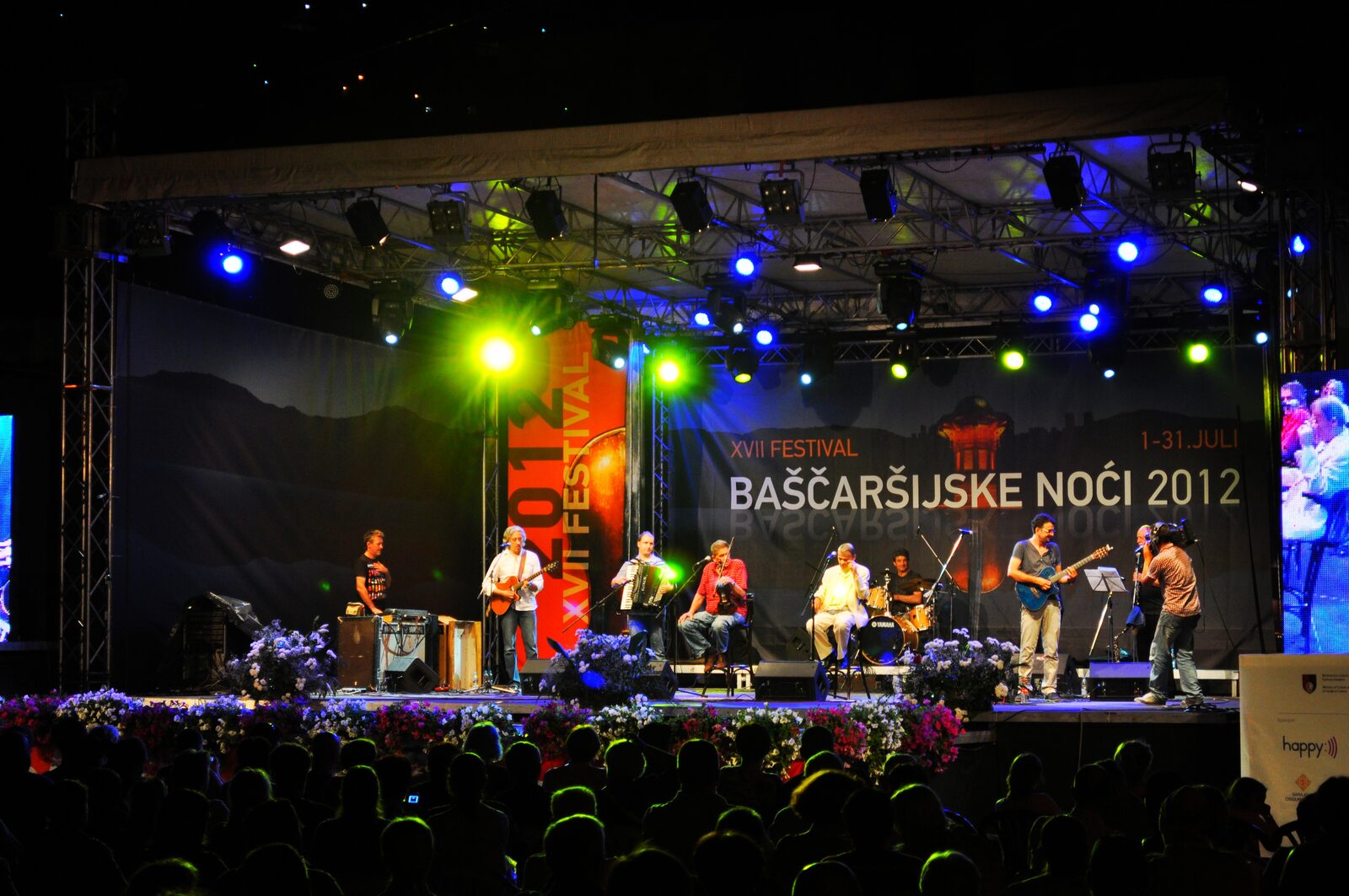
</ul>]]></content><author><name>Nedim Hadzimahmutovic</name></author><category term="Heritage" /><category term="architecture" /><category term="ottoman" /><category term="austro-hungarian" /><category term="history" /><category term="walking-tour" /><category term="karel-parik" /><category term="josip-vancas" /><summary type="html"><![CDATA[Sarajevo is the only European capital where you can walk for ninety minutes in a straight line and pass through four centuries of architecture: from a 16th-century Ottoman caravanserai to a Pseudo-Moorish Habsburg city hall to an Art Nouveau post office. A practical, building-by-building guide to the structures the two empires left behind, with a route, the architects who designed them, and what they were originally for.]]></summary></entry><entry><title type="html">Sarajevo’s festivals: the five you plan a trip around</title><link href="https://exploresarajevo.com/stories/2026/05/sarajevo-festivals/" rel="alternate" type="text/html" title="Sarajevo’s festivals: the five you plan a trip around" /><published>2026-05-30T00:00:00+02:00</published><updated>2026-05-30T00:00:00+02:00</updated><id>https://exploresarajevo.com/stories/2026/05/sarajevo-festivals</id><content type="html" xml:base="https://exploresarajevo.com/stories/2026/05/sarajevo-festivals/"><![CDATA[<p>Sarajevo has more cultural festivals per resident than any small European capital I know. Five of them are big enough to plan a trip around. <strong>Three started during or just after the 1992–95 siege</strong> — culture as recovery; <strong>one is older than the country itself</strong> (MESS, founded 1960); <strong>one started in the run-up to the 1984 Olympics and never stopped</strong> (the Winter Festival). The festivals cover four months of the year if you count their full programmes: late February through March (Winter), all of July (Baščaršija Nights), late August (Film Festival), October (MESS), and November (Jazz Fest).</p>

<p>Here is each, in the order they appear in the year, with what to know and when to book.</p>

<figure class="photo">
  <img src="/assets/img/photos/sevdah-atmosphere.jpg" alt="A summer open-air sevdah performance at Baščaršijske Noći — singer with saz on a small stage, audience in a cobbled courtyard, lantern light." loading="lazy" decoding="async" />
  <figcaption class="photo__credit"><span class="photo__caption">Baščaršijske Noći in 2012 — the bazaar's open-air courtyards become the festival's stages every night through July.</span>
      <span class="photo__sep"></span><span class="photo__attribution">
      Photograph: <strong>Funky Tee</strong>,
        <a href="https://commons.wikimedia.org/wiki/File:Bascarsijske_noci_2012.jpg" rel="noopener nofollow">Wikimedia Commons</a>,
        <a href="" rel="noopener nofollow">CC BY-SA 2.0</a></span>
  </figcaption>
</figure>

<h2 id="1-sarajevo-winter-festival-sarajevska-zima--february-to-march">1. Sarajevo Winter Festival (<em>Sarajevska zima</em>) — February to March</h2>

<p>The oldest of the five still running. Founded in <strong>1984</strong> in the months before the <strong>XIV Winter Olympic Games</strong> as a parallel cultural programme, and continued every year since, including through the <strong>1992–95 siege</strong>, when it was held under shelling. The festival is multi-disciplinary (opera, theatre, classical concerts, exhibitions, literary evenings, film) and runs across most venues in the city for <strong>roughly six weeks</strong>, from early February to mid-March.</p>

<p>The Winter Festival has a particular place in Sarajevan civic memory because of the <strong>siege years</strong>. The 1993, 1994, and 1995 editions ran with most performers travelling into the besieged city under UN protection and many concerts performed in the basement of the Vijećnica or in the Skenderija sports centre. The festival’s argument (that the city’s cultural life would continue even when the city itself was being bombarded) became one of the symbolic acts of the siege.</p>

<ul>
  <li><strong>When:</strong> Early February to mid-March, annually. 2026 dates: roughly <strong>7 February – 21 March</strong>.</li>
  <li><strong>Venues:</strong> Spread across the city. The Skenderija sports complex, the National Theatre, the Sarajevo Art Gallery, and the Bosniak Institute are the most frequently used.</li>
  <li><strong>Tickets:</strong> Highly variable. Most events 10–30 BAM; some free.</li>
  <li><strong>Why go:</strong> The breadth. Six weeks of mixed-discipline programming is hard to match in any small European capital. Verify the season’s lineup on the official site before planning.</li>
</ul>

<h2 id="2-baščaršijske-noći--baščaršija-nights--1-to-31-july">2. Baščaršijske Noći — <em>Baščaršija Nights</em> — 1 to 31 July</h2>

<p>A summer festival of the bazaar. <strong>All of July</strong>, every year since <strong>1995</strong>, in the open-air spaces of central Sarajevo: the courtyards of Morića Han, the cobbled square outside the Sebilj, the small atrium of the Bosniak Institute, the National Theatre when it rains.</p>

<p>Programming is mixed but skews <strong>traditional</strong>: <strong>sevdah evenings</strong> (most weeks), <strong>classical concerts</strong>, <strong>opera and ballet</strong> (often in cooperation with the National Theatre), <strong>folklore ensembles</strong>, and <strong>literary readings</strong>. Organised by the <strong>Sarajevo Cultural Center</strong> (BKC), the festival draws roughly <strong>100,000 attendees over the month</strong> across the full programme.</p>

<p>A <strong>sevdah night in the Morića Han courtyard</strong> is the single most distinctive evening of the year. Audience seated on long wooden benches under the original 16th-century caravanserai galleries. Tickets typically about <strong>15 BAM</strong>, and they sell out. Book a few days ahead.</p>

<ul>
  <li><strong>When:</strong> 1 July to 31 July, annually.</li>
  <li><strong>Venues:</strong> Morića Han, the Sebilj area, the National Theatre, the Bosniak Institute, occasionally the Vijećnica. Almost all evening events.</li>
  <li><strong>Tickets:</strong> Most evenings 10–20 BAM; some free.</li>
  <li><strong>Why go:</strong> The setting. A sevdah evening in a 16th-century courtyard under a Sarajevo summer sky is the kind of cultural experience the city builds its civic identity around.</li>
  <li><strong>Cross-link:</strong> Our long-form on the music tradition itself is at <strong><a href="/stories/2026/05/sevdah-and-the-two-souls/">Sevdah and the Two Souls</a></strong>.</li>
</ul>

<h2 id="3-sarajevo-film-festival-sff--mid--to-late-august">3. Sarajevo Film Festival (SFF) — mid- to late August</h2>

<p>Biggest film festival in <strong>Southeast Europe</strong> and the city’s single largest annual cultural event. Founded by <strong>Mirsad Purivatra</strong> in <strong>1995</strong>, during the siege, as a defiant cultural act; the first edition ran in October 1995 with <strong>37 films from 15 countries</strong>. The 2026 edition runs <strong>14–21 August</strong>, screens around <strong>200 films from over 60 countries</strong>, and draws roughly <strong>100,000 attendees</strong> across the eight days. Its biggest week of the year is also the city’s. Hotels and apartments fully booked from early summer.</p>

<p>Signature venue: the <strong>Open-Air Cinema</strong> behind the National Theatre, an outdoor screening space that hosts the headline films each evening under a temporary canopy. Tickets are hard to get; the queue forms in the early afternoon for an evening screening. Side venues at the <strong>Meeting Point</strong> cinema in the centre, <strong>Cinema City</strong> in BBI mall, and a number of smaller venues across the city.</p>

<p>Two awards bracket the festival: the <strong>Heart of Sarajevo</strong> (best film, best actor, best actress, best documentary) and the <strong>Honorary Heart of Sarajevo</strong>, a lifetime-achievement award that has been given to <strong>John Cleese (2017), Mike Leigh, Stephen Frears, Wim Wenders, Béla Tarr, Susan Sarandon</strong>, and a dozen other named filmmakers. The award ceremony is held on the closing Friday at the National Theatre.</p>

<ul>
  <li><strong>When:</strong> Mid- to late August. 2026 dates: <strong>14–21 August</strong>.</li>
  <li><strong>Venues:</strong> Open-Air Cinema, Meeting Point, Cinema City, National Theatre.</li>
  <li><strong>Tickets:</strong> From about <strong>15 BAM</strong> for individual screenings; the festival pass costs more. Open-air evening tickets often sell out within hours of release.</li>
  <li><strong>Why go:</strong> This is the canonical Sarajevo summer week. Book accommodation in March if you want anywhere central; book by June for outer neighbourhoods.</li>
</ul>

<h2 id="4-mess-international-theatre-festival--october">4. MESS International Theatre Festival — October</h2>

<p>The <strong>oldest</strong> festival in this list. Founded in <strong>1960</strong> as the <em>Mali Eksperimentalni Scena Sarajeva</em> (Small Experimental Stage of Sarajevo), making it one of the longest-running theatre festivals in Southeast Europe. Suspended for the 1992–93 seasons during the siege, resumed in <strong>1994</strong> in a besieged city, and has run continuously since.</p>

<p>MESS programs <strong>experimental theatre, contemporary dance, and physical theatre</strong> from across Europe. Recent years have brought work from <strong>Ariane Mnouchkine’s Théâtre du Soleil, Jan Lauwers’ Needcompany, Romeo Castellucci’s Societas Raffaello Sanzio</strong>, and the <strong>Polish, Belgian, and German contemporary theatre circuits</strong>. The festival’s working language is English (with surtitles), so it works for non-Bosnian-speaking audiences.</p>

<p>The festival typically runs across <strong>ten days in October</strong> and centres on the <strong>National Theatre</strong> and the <strong>Kamerni Teatar 55</strong> (the chamber theatre), with additional venues at the Bosnian Cultural Centre and the Academy of Performing Arts.</p>

<ul>
  <li><strong>When:</strong> Ten days in October, annually. 2026 dates: typically the second and third weeks of October.</li>
  <li><strong>Venues:</strong> National Theatre, Kamerni Teatar 55, BKC, Academy of Performing Arts.</li>
  <li><strong>Tickets:</strong> Most performances 20–40 BAM.</li>
  <li><strong>Why go:</strong> If you care about contemporary European theatre, MESS is the only festival in the Western Balkans that consistently programmes the major European companies. The city in October is also at its prettiest: autumn colour on the surrounding hills, manageable temperatures.</li>
</ul>

<h2 id="5-jazz-fest-sarajevo--november">5. Jazz Fest Sarajevo — November</h2>

<p>Newest of the five. Founded in <strong>1997</strong> by <strong>Edin Zubčević</strong>, two years after the end of the war, the festival has built a real international reputation in less than three decades. Programmes regularly feature <strong>Wynton Marsalis, Brad Mehldau, Avishai Cohen, the Esbjörn Svensson Trio (in its time), Goran Bregović</strong>, and a generation of post-Yugoslav jazz musicians who use the festival as a regional showcase.</p>

<p>The festival runs across <strong>five evenings in early to mid-November</strong>, with main concerts at the <strong>Bosnian Cultural Centre</strong> (BKC) on Branilaca Sarajeva, late-night jam sessions at <strong>Sloga</strong> and <strong>Underground Club</strong>, and a daytime programme of masterclasses and panels at the <strong>Music Academy</strong>. The programmes are typically a mix of European jazz, American crossover, and Balkan-jazz fusion.</p>

<p>The festival’s atmosphere is more <strong>intimate than the Film Festival</strong>. The venues are small, the audiences are knowledgeable, the after-shows go late. If you are a jazz reader, this is the regional festival to plan around.</p>

<ul>
  <li><strong>When:</strong> Five days in early to mid-November, annually.</li>
  <li><strong>Venues:</strong> Bosnian Cultural Centre (main concerts), Sloga, Underground Club, Music Academy.</li>
  <li><strong>Tickets:</strong> Main concert tickets ~25–40 BAM; festival pass typically ~150 BAM.</li>
  <li><strong>Why go:</strong> The single best festival in the city for adults who care about live music in small rooms. Book the BKC tickets early; the after-shows take walk-ins.</li>
</ul>

<h2 id="how-the-year-shapes-up">How the year shapes up</h2>

<p>A reader’s calendar of the five:</p>

<table>
  <thead>
    <tr>
      <th>Festival</th>
      <th>When</th>
      <th>Days</th>
      <th>Why</th>
    </tr>
  </thead>
  <tbody>
    <tr>
      <td><strong>Winter Festival</strong></td>
      <td>Feb–Mar</td>
      <td>~40</td>
      <td>Six weeks of mixed-discipline programming</td>
    </tr>
    <tr>
      <td><strong>Baščaršija Nights</strong></td>
      <td>1–31 Jul</td>
      <td>31</td>
      <td>The sevdah evenings in the 16th-century courtyard</td>
    </tr>
    <tr>
      <td><strong>Sarajevo Film Festival</strong></td>
      <td>mid-late Aug</td>
      <td>8</td>
      <td>The biggest week of the city’s year</td>
    </tr>
    <tr>
      <td><strong>MESS Theatre</strong></td>
      <td>Oct</td>
      <td>~10</td>
      <td>European contemporary theatre</td>
    </tr>
    <tr>
      <td><strong>Jazz Fest</strong></td>
      <td>Nov</td>
      <td>5</td>
      <td>Small rooms, knowledgeable audience</td>
    </tr>
  </tbody>
</table>

<p>If you can only plan one trip, <strong>mid-August for the Film Festival</strong> is the canonical choice — the city is full, the venues are open-air, the energy is the highest it gets. If you want the cultural depth without the August crowds, <strong>November for Jazz Fest</strong> is the alternative — small audiences, programmable evenings, autumn light.</p>

<h2 id="what-is-not-on-this-list">What is not on this list</h2>

<p>A handful of smaller festivals run alongside the five above and are worth knowing about if your interests are specific:</p>

<ul>
  <li><strong>Sarajevo Wine Festival</strong> — usually mid-November; recently growing.</li>
  <li><strong>Pravo Ljudski Film Festival</strong> — December, human-rights documentary festival.</li>
  <li><strong>Sound Sarajevo</strong> — electronic music, summer.</li>
  <li><strong>Sarajevo International Children’s Festival</strong> — June.</li>
  <li><strong>NDB — the National Day of Bosnia</strong> — 1 March, not strictly a festival but the largest civic event in central Sarajevo each year.</li>
</ul>

<p>The five at the top are the ones the city itself plans around. The rest add to the calendar; they do not anchor it. <em>Ma hajde</em> (<em>come on</em>) — pick one, book the room, see how the city behaves when its lights are on.</p>

<h2 id="further-reading">Further reading</h2>

<ul>
  <li><a href="/stories/2026/05/sevdah-and-the-two-souls/">Sevdah and the Two Souls</a> — the music tradition that is the spine of Baščaršija Nights.</li>
  <li><a href="/stories/2026/05/unesco-sarajevo/">Sarajevo’s UNESCO list: four entries, none of them a building</a> — sevdalinka, the form, was inscribed in 2024.</li>
  <li><a href="/stories/2026/05/sarajevo-museums/">Sarajevo’s museums: a reader’s ranking</a> — the institutions that host most of the off-season cultural programming.</li>
</ul>]]></content><author><name>Nedim Hadzimahmutovic</name></author><category term="Heritage" /><category term="festivals" /><category term="sarajevo-film-festival" /><category term="jazz" /><category term="theatre" /><category term="sevdah" /><category term="baščaršija" /><summary type="html"><![CDATA[Sarajevo has five annual festivals worth planning a trip around — the Film Festival in late August, Baščaršija Nights through July, the Winter Festival in February, Jazz Fest in November, and MESS theatre in October. Together they cover four out of twelve months. Here is each one, in the order they appear in the year.]]></summary></entry><entry><title type="html">Five things to do in Sarajevo you cannot do anywhere else</title><link href="https://exploresarajevo.com/stories/2026/05/sarajevo-five-unique/" rel="alternate" type="text/html" title="Five things to do in Sarajevo you cannot do anywhere else" /><published>2026-05-30T00:00:00+02:00</published><updated>2026-05-30T00:00:00+02:00</updated><id>https://exploresarajevo.com/stories/2026/05/sarajevo-five-unique</id><content type="html" xml:base="https://exploresarajevo.com/stories/2026/05/sarajevo-five-unique/"><![CDATA[<p>Sarajevo gets compared to other cities a lot. Istanbul for the bazaar, Vienna for the Habsburg quarter, Berlin for the war-history walks, Sofia for the architectural mash-up. The comparisons are not wrong, but they miss the point of why people come back. Most of what makes the city specific cannot be slotted into someone else’s reference frame. A short list of five things you can do in Sarajevo that you cannot, in this combination, do anywhere else.</p>

<h2 id="1-walk-the-sniper-alley-and-the-sarajevo-roses">1. Walk the Sniper Alley and the Sarajevo Roses</h2>

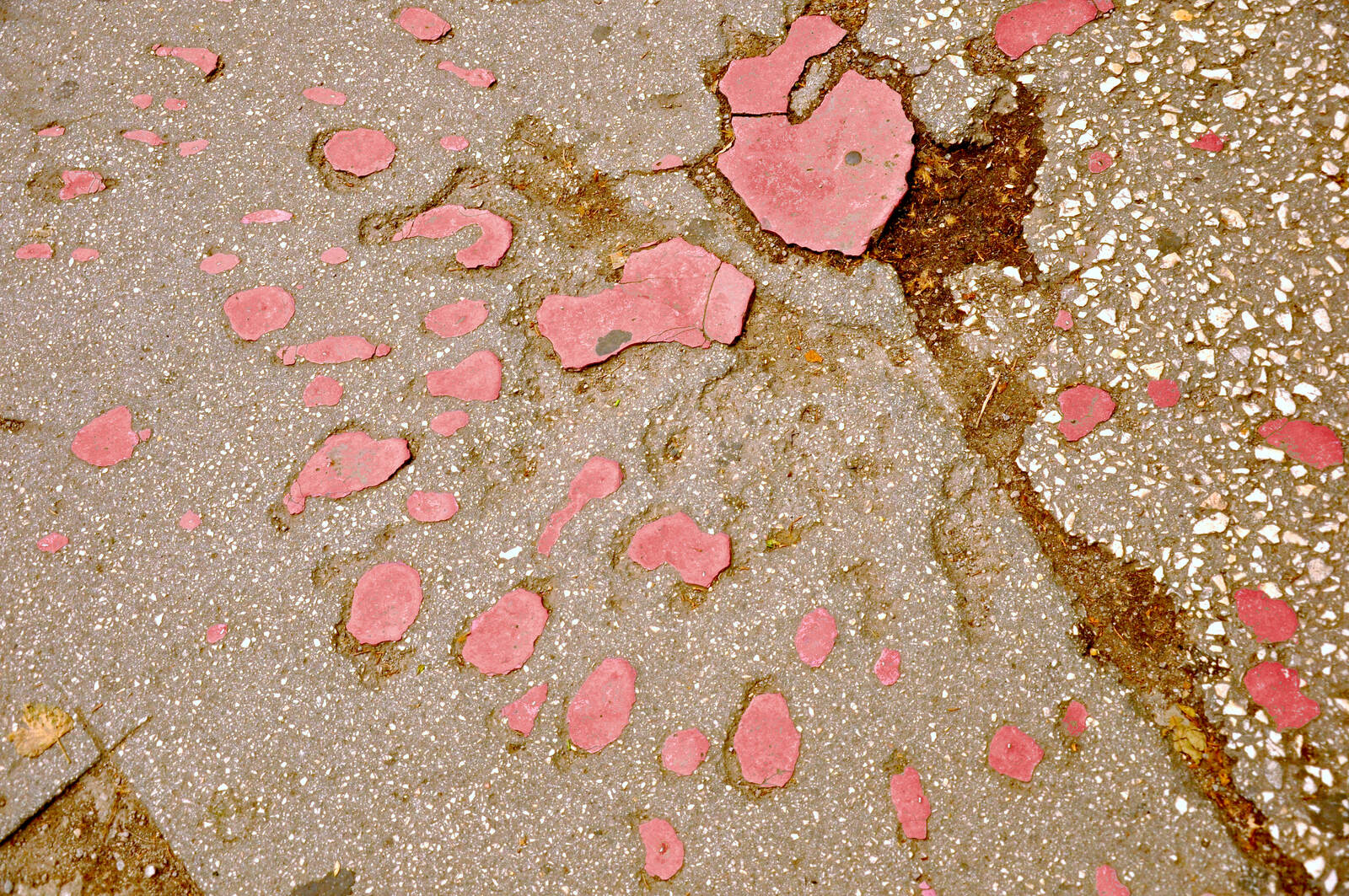
<p>The single most affecting half-day in the city. <strong>Sniper Alley</strong> is the local nickname for Zmaja od Bosne, the long west-running boulevard between Marijin Dvor and Ilidža, which during the <strong>1992–1995 siege</strong> was the main exposed line of fire for Bosnian Serb snipers in the surrounding hills. <strong>The Sarajevo Roses</strong> are the small concrete impact craters left by mortar shells that killed civilians during the siege, filled afterwards with red resin and left in place as memorials. There are at least fifty of them scattered through the central city.</p>

<p>A local guide helps. <em>Sarajevo Insider</em> and <em>Funky Tours</em> both run two-hour “War Scars” walking tours that step through the chronology in person. Without a guide, the self-walk is <strong>Marijin Dvor → Skenderija → Markale market → the Latin Bridge → the Eternal Flame → back</strong>. Allow two and a half hours.</p>

<p>Look for the roses on the pavement. Most visitors walk past five or six without noticing.</p>

<p>Full hidden-gem entry: <strong><a href="/destinations/sarajevo-roses/">Sarajevo Roses</a></strong>.</p>

<figure class="photo">
  <img src="/assets/img/photos/sarajevo-roses.jpg" alt="A Sarajevo Rose embedded in the pavement of central Sarajevo — a small concrete mortar-shell impact crater, the cracks radiating from the centre, the depression filled with red resin and left in place as a memorial." loading="lazy" decoding="async" />
  <figcaption class="photo__credit"><span class="photo__caption">A Sarajevo Rose in the pavement — the resin-filled craters that mark where shells killed civilians during the 1992–95 siege.</span>
      <span class="photo__sep"></span><span class="photo__attribution">
      Photograph: <strong>Jennifer Boyer</strong>,
        <a href="https://commons.wikimedia.org/wiki/File:Sarajevo_Rose.jpg" rel="noopener nofollow">Wikimedia Commons</a>,
        <a href="" rel="noopener nofollow">CC BY 2.0</a></span>
  </figcaption>
</figure>

<h2 id="2-walk-through-the-tunnel-of-hope">2. Walk through the Tunnel of Hope</h2>

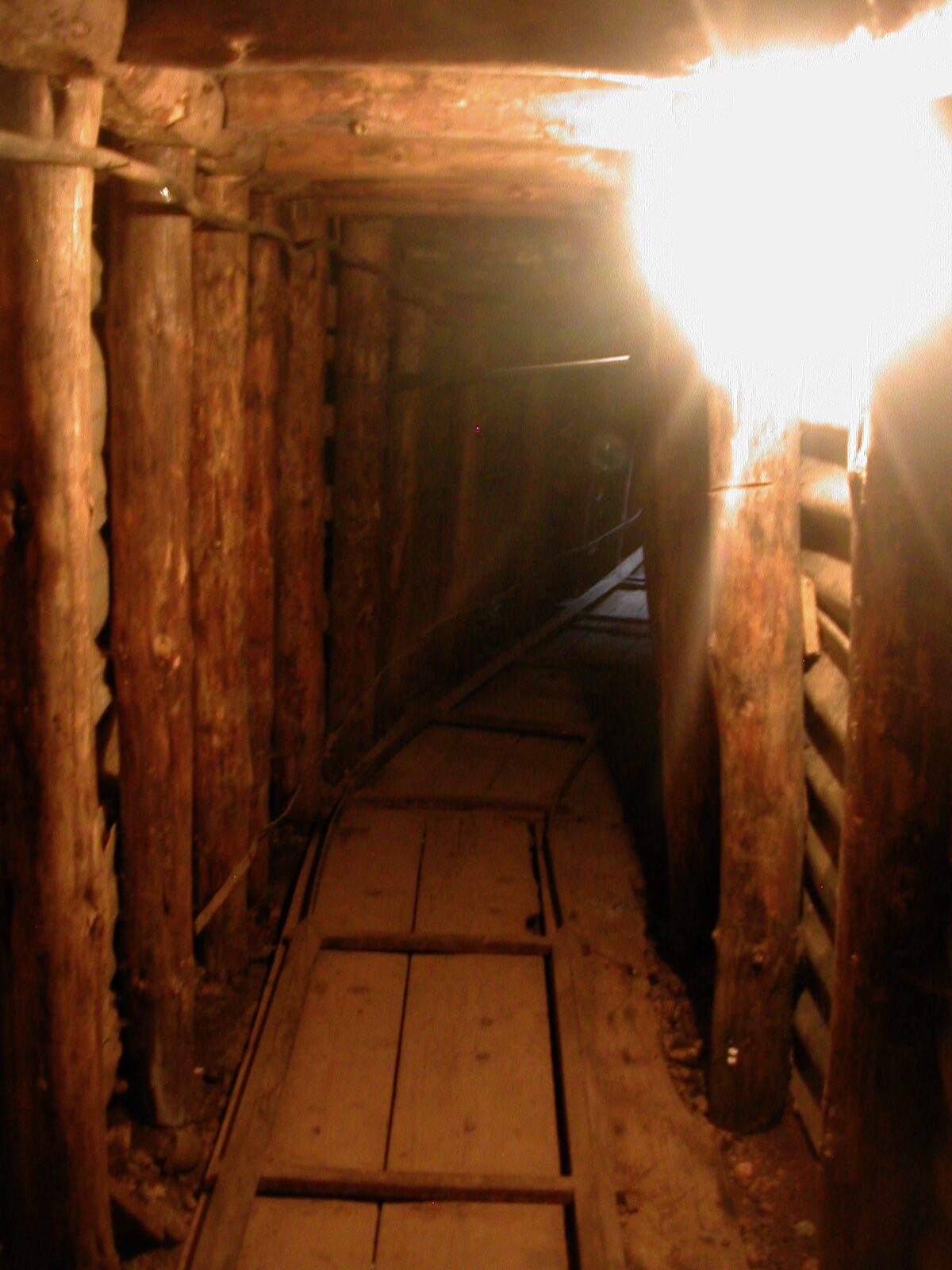
<p>The <strong>800-metre tunnel</strong> dug by hand, mostly at night, between <strong>March and June 1993</strong>, to connect the besieged city with the small Bosnian-controlled territory beyond the airport runway. It is the only working military supply tunnel of a 20th-century European siege that visitors can walk into.</p>

<p>About <strong>25 metres of the original tunnel</strong> are preserved as a museum, at the <strong>Butmir</strong> end in Ilidža. The small entrance building was a private family home during the war; the front wall is still pockmarked. Inside there is a fifteen-minute documentary, a model of the full route, and the tunnel itself.</p>

<p>Standard practical approach: tram 3 to Ilidža, taxi to Butmir, ~10 BAM. Or a guided half-day tour from the centre, ~30 BAM all-in. Either works.</p>

<p>Full destination entry: <strong><a href="/destinations/tunnel-of-hope/">Tunnel of Hope</a></strong>.</p>

<figure class="photo">
  <img src="/assets/img/photos/tunnel-of-hope.jpg" alt="The Tunnel of Hope museum at Butmir — the small house entrance with the surviving 25-metre stretch of the wartime tunnel preserved beneath." loading="lazy" decoding="async" />
  <figcaption class="photo__credit"><span class="photo__caption">The Tunnel of Hope museum house at Butmir — the surviving 25-metre section of the wartime supply tunnel runs underneath.</span>
      <span class="photo__sep"></span><span class="photo__attribution">
      Photograph: <strong>Baumi</strong>,
        <a href="https://commons.wikimedia.org/wiki/File:Sarajevo_tunnel.jpg" rel="noopener nofollow">Wikimedia Commons</a>,
        <a href="" rel="noopener nofollow">CC BY-SA 3.0</a></span>
  </figcaption>
</figure>

<h2 id="3-walk-down-the-abandoned-1984-olympic-bobsled-track">3. Walk down the abandoned 1984 Olympic bobsled track</h2>

<p>The 1,300-metre concrete chute on Mount Trebević, built for the <strong>1984 Winter Olympics</strong>, abandoned in the 1992 siege, never restored, now covered with two decades of graffiti and walkable on foot from the cable-car upper station.</p>

<p>Reopened on 6 April 2018 after twenty-six years of inactivity (it was destroyed during the war), the cable car runs fifteen minutes from Bistrik and opens the entire valley below you. From the upper station, walk five minutes south to the starting house, then <strong>walk down the track itself</strong>. The full 1,300 metres is open. Curves get tighter as you descend. Graffiti gets denser around curve 11. Allow ninety minutes for the walk and another hour for the cable car return and a coffee at the upper station.</p>

<p>This is the most-photographed graffiti site in the western Balkans and one of the more peculiar Olympic ruins in Europe.</p>

<p>The full hidden-gem entry: <strong><a href="/destinations/bobsled-track/">The Olympic Bobsled and Luge Track</a></strong>.</p>

<h2 id="4-climb-up-to-vratnik-and-the-yellow-fortress">4. Climb up to Vratnik and the Yellow Fortress</h2>

<p>The <strong>Yellow Fortress</strong> (<em>Žuta Tabija</em>) — an Austro-Hungarian-rebuilt 18th-century Ottoman bastion — sits on the steep wooded ridge directly above Baščaršija, at 750 metres elevation. The climb from the Sebilj takes about twenty-five minutes uphill, mostly through the <strong>Vratnik</strong> quarter — the old Ottoman walled suburb that still has its surviving <strong>Stone Gate</strong> and <strong>Yellow Bastion</strong>, the residential lanes of low Ottoman houses, and the <strong>Kovači cemetery</strong>, the burial ground for soldiers killed in the 1992–95 war.</p>

<p>At the top, the Yellow Fortress is the city’s canonical sunset viewpoint. The cannon at the fort is fired daily during Ramadan to mark <em>iftar</em>. The view runs from Trebević in the east, across the entire Miljacka valley, to Igman and Bjelašnica in the west.</p>

<p>A reasonable evening sequence: cevapi at <strong>Petica</strong> on Bravadžiluk → climb up Kovači street → twenty minutes at the <strong>Kovači cemetery</strong> → ten more minutes to the <strong>Yellow Fortress</strong> → sunset at the fort → walk back down to the Sebilj for a salep or a coffee. About three hours, ending in the dark.</p>

<p>The full destination entries: <strong><a href="/destinations/yellow-fortress/">Yellow Fortress</a></strong> and <strong><a href="/destinations/kovaci-cemetery/">Kovači Cemetery</a></strong>.</p>

<h2 id="5-walk-to-kozija-ćuprija--the-ottoman-bridge-that-nobody-talks-about">5. Walk to Kozija Ćuprija — the Ottoman bridge that nobody talks about</h2>

<p>Of the four surviving Ottoman bridges in central Sarajevo, the <strong>Goat Bridge</strong> (<em>Kozija Ćuprija</em>) is the prettiest, the quietest, and the least photographed. It sits about a kilometre east of the centre, in a small wooded gorge where the Miljacka narrows. Built in the <strong>second half of the 16th century</strong>, probably by the architects of <strong>Mehmed Paša Sokolović</strong> — the same engineering family that built the famous bridge over the Drina at Višegrad.</p>

<p>The walk from the Sebilj is forty minutes east along the south bank, past the <strong>Inat Kuća</strong> and the <strong><a href="/destinations/seher-cehaja-bridge/">Šeher-Ćehaja Bridge</a></strong>, into the gorge. The setting is the prettiest stretch of riverside within walking distance of the city centre. The bridge itself is a single high arch over the river, with two distinctive circular openings in the spandrel — both structural (flood relief) and ornamental.</p>

<p>The walk and the bridge together take <strong>about two hours</strong> out and back. Sunday morning is the local time of choice; in summer the riverside is full of families with picnic blankets. In winter the gorge is gold.</p>

<p>The full hidden-gem entry: <strong><a href="/hidden-gems/kozija-cuprija/">Kozija Ćuprija</a></strong>, and the wider story on the Ottoman bridges of the city: <strong><a href="/stories/2026/05/ottoman-bridges/">Stone, water, and four centuries</a></strong>.</p>

<h2 id="what-the-list-isnt">What the list isn’t</h2>

<p>Some of the most famous things to do in Sarajevo are not on this list. The <strong>Sebilj</strong> is the canonical photograph, and you should feed the pigeons, but you can feed pigeons in any tourist square in any city. The <strong>Latin Bridge</strong> and the Princip plaque are essential to the city’s identity, but they’re also five minutes of a longer walk, not an experience in themselves. The <strong>Gazi Husrev-beg Mosque</strong> is the most architecturally important Ottoman complex in the western Balkans, but it has architectural cousins in Istanbul, Edirne, and Skopje.</p>

<p>The five above are different. The siege-walk, the tunnel, the Olympic ruin, the climb up to the walled quarter, the quiet 16th-century bridge upstream — together they describe a city that is not Istanbul, not Vienna, not Berlin, not Sofia. Sarajevo is on the list because the combination is not available anywhere else. The locals have a name for the city in slang — <em>Rajvosa</em>, <em>Sarajevo</em> read syllable-backwards. Five things you cannot do anywhere else, and one name you cannot pronounce anywhere else either.</p>

<h2 id="further-reading">Further reading</h2>

<ul>
  <li><a href="/stories/2026/05/unesco-sarajevo/">Sarajevo’s UNESCO list: four entries, none of them a building</a></li>
  <li><a href="/stories/2026/05/sarajevo-architecture/">Two empires that built Sarajevo: a walking architecture guide</a></li>
  <li><a href="/stories/2026/05/sarajevo-museums/">Sarajevo’s museums: a reader’s ranking</a></li>
  <li><a href="/stories/2026/03/trebevic-cable-car-sunset/">Sunset on Trebević: the nine-minute commute to a different world</a></li>
</ul>]]></content><author><name>Nedim Hadzimahmutovic</name></author><category term="Heritage" /><category term="walking-tour" /><category term="war-memorial" /><category term="olympics" /><category term="ottoman" /><category term="vratnik" /><category term="trebević" /><summary type="html"><![CDATA[Sarajevo gets compared to other cities a lot. Istanbul for the bazaar, Vienna for the Habsburg quarter, Berlin for the war-history walks. The comparisons miss the point. A short list of five things to do here that are not available anywhere else.]]></summary></entry><entry><title type="html">The Sarajevo Haggadah: a book that has outlived five empires</title><link href="https://exploresarajevo.com/stories/2026/05/sarajevo-haggadah/" rel="alternate" type="text/html" title="The Sarajevo Haggadah: a book that has outlived five empires" /><published>2026-05-30T00:00:00+02:00</published><updated>2026-05-30T00:00:00+02:00</updated><id>https://exploresarajevo.com/stories/2026/05/sarajevo-haggadah</id><content type="html" xml:base="https://exploresarajevo.com/stories/2026/05/sarajevo-haggadah/"><![CDATA[<p>The most important object in Sarajevo is a book that almost did not survive the 20th century.</p>

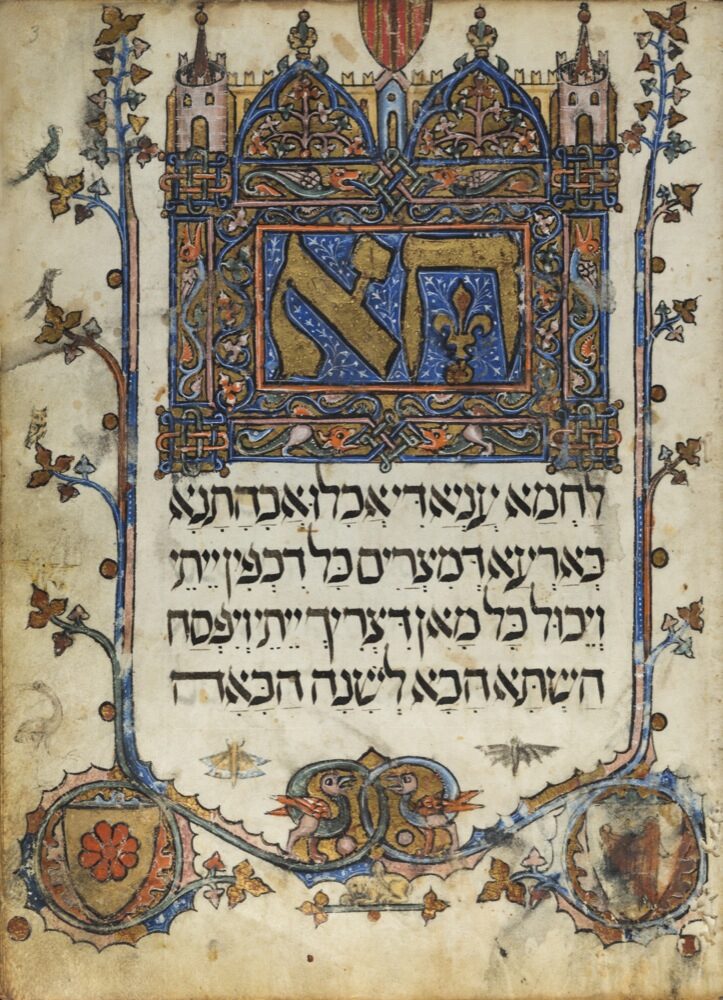
<p>The <strong>Sarajevo Haggadah</strong> is a Sephardic Hebrew illuminated manuscript made in Northern Spain in the second half of the 14th century, around 1350, in the kingdom of Aragon. The conventional sub-attribution, supported by two heraldic crests in the manuscript itself, is <strong>Barcelona</strong>, where it was probably made as a wedding gift for two Jewish families: the <strong>Shoshan</strong> and <strong>Elzar</strong> households, whose coats of arms appear in the codex next to the arms of the city of Barcelona.</p>

<p>A Haggadah is the small book read aloud at the Passover Seder, the family meal that opens the Jewish festival of Pesach. The text is fixed (the questions of the youngest child, the narrative of the Exodus from Egypt, the songs at the end of the meal), and Jewish communities across the world have produced their own copies for the same evening for more than a thousand years. What makes this one specific is the survival: of the codex itself, of the script and decoration, and, twice in living memory, of the manuscript as a physical object during European wars that destroyed almost everything around it.</p>

<p>It has lived in Sarajevo since at least the late Ottoman period. The <strong>National Museum of Bosnia and Herzegovina</strong> (Zemaljski muzej) acquired it in <strong>1894</strong>, the year of the museum’s founding under Austria-Hungary, and has held it without interruption ever since. UNESCO inscribed it on the <strong>Memory of the World International Register in 2017</strong>.</p>

<h2 id="the-codex-itself">The codex itself</h2>

<p>The Sarajevo Haggadah is a small book (A5-ish, on bleached calfskin vellum) written in square Hebrew letters in the Sephardic style typical of medieval Spain, fully punctuated and ruled. It runs to about a hundred surviving folios, structured in two parts.</p>

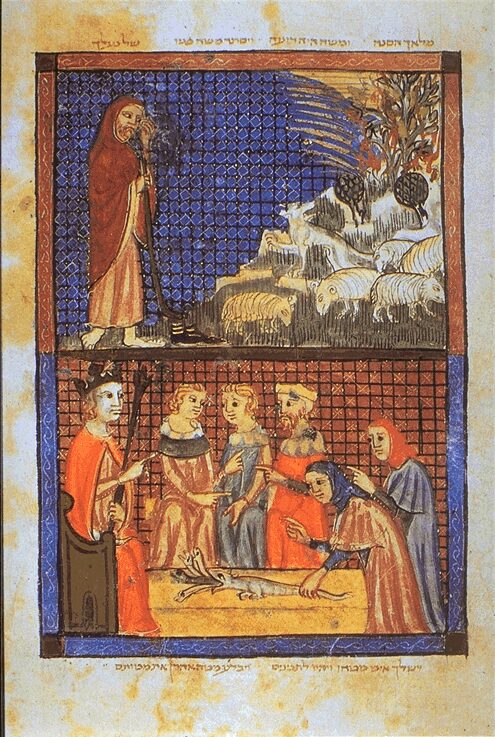
<p>The first part is <strong>illuminated</strong>: 34 folios carrying <strong>69 miniatures</strong> on their inner faces, with the outer faces left blank. The miniatures run through the Pentateuch: the seven days of Creation, Cain and Abel, the story of Lot, the binding of Isaac, the Exodus from Egypt, the parting of the Red Sea, the Blessing of Moses. The <strong>Joseph cycle</strong> is given particular emphasis. The figures are painted in clear, intense pigments with gold leaf still bright; the architectural settings are recognisably Catalan Gothic.</p>

<figure class="photo">
  <img src="/assets/img/photos/sarajevo-haggadah-3.jpg" alt="An illuminated page from the Sarajevo Haggadah: Moses kneeling before the burning bush in the upper panel; below, Aaron's staff swallowing the staves of Pharaoh's magicians, after Exodus 7:10–11." loading="lazy" decoding="async" />
  <figcaption class="photo__credit"><span class="photo__caption">A double-panel folio: *Moses and the Burning Bush*, and *Aaron's Staff Devours the Magicians' Staves* (Exodus 7:10–11).</span>
      <span class="photo__sep"></span><span class="photo__attribution">
      Photograph: <strong>National Museum of Bosnia and Herzegovina</strong>,
        <a href="https://commons.wikimedia.org/wiki/File:Sarejevohagadah.gif" rel="noopener nofollow">Wikimedia Commons</a>,
        <a href="" rel="noopener nofollow">Public Domain</a></span>
  </figcaption>
</figure>

<p>The second part is the <strong>text section</strong>: 50 folios containing the Passover liturgy itself, plus a selection of lyrical poems from the <strong>Golden Age of Jewish-Arabic culture</strong> in al-Andalus (10th–13th centuries), and instructions for the <em>Ma’ariv</em>, the Jewish evening prayer, on the eve of Passover. The choice of poems is itself an editorial statement: at the time the codex was made, the Andalusi tradition of bilingual Jewish-Arabic poetry was barely a century gone, and the families who commissioned the Haggadah were carrying that tradition forward into a Christian kingdom that was, increasingly, less hospitable to them.</p>

<p>There is one detail that gives the manuscript away as <strong>a working family object</strong>, not a display piece for a library: the parchment carries old <strong>wine stains</strong>. The book was read at Passover Seders, year after year, in someone’s home. The wine was passed around, and some of it spilled.</p>

<h2 id="out-of-spain">Out of Spain</h2>

<p>In <strong>1492</strong>, the Catholic Monarchs Ferdinand and Isabella issued the <strong>Alhambra Decree</strong>, expelling the Jewish population of the Iberian Peninsula. The Sephardim (<em>Sefarad</em> is the Hebrew name for Spain) left in waves over the following decade, carrying what they could. The Sarajevo Haggadah went with them.</p>

<p>The first documentary trace of the codex after the expulsion appears in <strong>16th-century Italy</strong>, where marginal notes in the manuscript record changes of ownership. From Italy, the trail goes quiet for a long stretch. By the mid-19th century the manuscript was in Sarajevo, in the possession of a Sephardic family named <strong>Koen</strong> (sometimes written Cohen).</p>

<p>In <strong>1894</strong>, the Koen family sold the manuscript to the newly founded <strong>Zemaljski muzej</strong>, the National Museum of Bosnia and Herzegovina, which had opened its doors six years earlier. The acquisition record names the seller as <strong>Joseph Koen</strong>. The sum involved is not, as far as I can find, documented in any source available outside the museum’s own archive.</p>

<p>The manuscript has lived in the museum ever since. The fact of <em>where</em> it has lived has changed three times in the 20th century, twice under threat.</p>

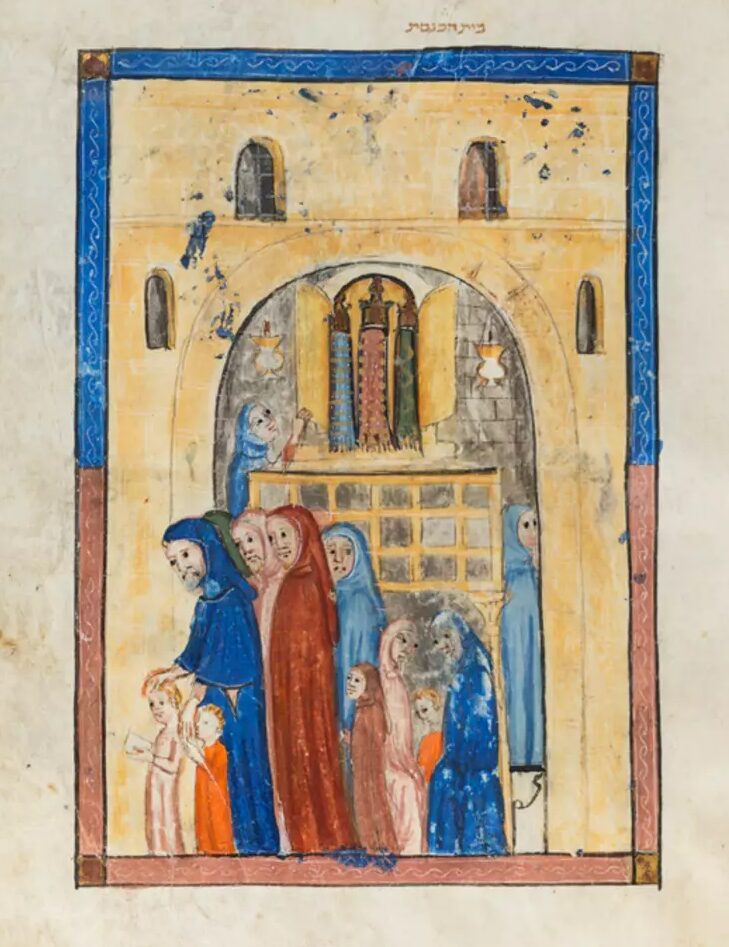
<figure class="photo">
  <img src="/assets/img/photos/sarajevo-haggadah-2.jpg" alt="An illuminated folio of the Sarajevo Haggadah showing a synagogue interior scene — figures gathered around a central reader, with architectural columns and arches framing the composition." loading="lazy" decoding="async" />
  <figcaption class="photo__credit"><span class="photo__caption">A synagogue interior scene from the manuscript — the kind of Catalan Gothic architectural composition typical of the 14th-century Sephardic illumination workshops.</span>
      <span class="photo__sep"></span><span class="photo__attribution">
      Photograph: <strong>Idan Perez</strong>,
        <a href="https://commons.wikimedia.org/wiki/File:Sarajevo_Haggadah.png" rel="noopener nofollow">Wikimedia Commons</a>,
        <a href="" rel="noopener nofollow">Public Domain (PD-Art)</a></span>
  </figcaption>
</figure>

<h2 id="the-first-rescue-korkut-1942">The first rescue: Korkut, 1942</h2>

<p>In April 1941, the Kingdom of Yugoslavia collapsed under the German invasion. Sarajevo came under the <strong>Independent State of Croatia (NDH)</strong>, the Ustasha puppet regime, and within months its Jewish population was being rounded up for deportation to concentration camps. The Nazi <em>Einsatzstab Reichsleiter Rosenberg</em>, the Reichsleiter Rosenberg Task Force, made it part of its work to identify and confiscate Jewish books and ritual objects across occupied Europe.</p>

<p>In 1942, a German officer (variously identified in different accounts; the name is not consistently recorded) arrived at the National Museum and asked for the Sarajevo Haggadah by name.</p>

<p>The <strong>chief librarian of the museum at the time was Derviš Korkut</strong>, a Muslim scholar in his late forties, an expert in Islamic manuscripts and one of the museum’s senior staff. According to the museum’s own records and to <strong>Yad Vashem’s later citation</strong>, Korkut understood what the request meant. He told the officer the manuscript had already been collected by another German official, and that he did not know where it had gone. While the officer was in his office, Korkut had taken the manuscript out of its case and concealed it under his coat.</p>

<p>He carried it home that evening, and shortly afterwards it was taken to a <strong>mosque on the slopes of Bjelašnica mountain</strong>, south-west of Sarajevo, where it was kept, with the cooperation of the village’s imam and Korkut’s friends in the local community, for the duration of the German and Ustasha occupation. It is not certain exactly where on Bjelašnica it was kept; the most widely cited account is that it was sheltered in the mosque’s collection of religious books, where a single additional codex would not have attracted attention.</p>

<p>After the war the Haggadah returned to the National Museum. Korkut and his wife <strong>Servet</strong> were later credited with rescuing other Jewish lives during the occupation. A young Jewish woman, Mira Papo, was sheltered in their home for months in 1942. Korkut was <strong>recognised by Yad Vashem as Righteous Among the Nations in 1994</strong>.</p>

<h2 id="the-second-rescue-imamović-and-čebo-1992">The second rescue: Imamović and Čebo, 1992</h2>

<p>In <strong>April 1992</strong>, the <strong>Siege of Sarajevo</strong> began. The National Museum sat near the front line on Zmaja od Bosne (the road between the city and the airport) and was repeatedly shelled. By the second year of the siege the museum’s basement was flooding, the building was unheated, and rumours had begun to circulate, both in Sarajevo and in the foreign press, that the Sarajevo Haggadah had been sold abroad to fund the city’s arms imports.</p>

<p>The Haggadah had not been sold. Early in the siege, <strong>Professor Enver Imamović</strong>, an archaeologist on the museum’s staff, and <strong>Police Inspector Fahrudin Čebo</strong>, working together, had moved the manuscript out of its damaged display case and transported it across the besieged city to the <strong>underground vault of the National Bank of Bosnia and Herzegovina</strong> (then the Central Bank). The vault was a hardened structure, climate-controlled even during the siege, and inaccessible to anyone outside the small group of officials who knew the manuscript was there.</p>

<p>The Haggadah stayed in the bank vault for the duration of the war.</p>

<p>To counter the rumours of its sale, the <strong>President of the Republic of Bosnia and Herzegovina, Alija Izetbegović</strong>, took the manuscript to the <strong>community Passover Seder in Sarajevo in April 1995</strong> (the city was still under siege) and presented it publicly to the assembled congregation. There are no published photographs of the moment that I am aware of, but it was widely reported in the local press and in the foreign correspondents’ coverage of the siege.</p>

<p>After the war ended in 1995, the Haggadah returned, again, to the National Museum.</p>

<figure class="photo">
  <img src="/assets/img/photos/sarajevo-haggadah-5.jpg" alt="The vault room at the National Museum of Bosnia and Herzegovina photographed in December 2002 — a small, dimly lit chamber with a central display case for the Haggadah, flanked by glass cases holding Catholic, Orthodox, and Muslim manuscripts." loading="lazy" decoding="async" />
  <figcaption class="photo__credit"><span class="photo__caption">The 2002 vault room at the National Museum, dedicated 2 December 2002 — the Haggadah displayed alongside Catholic, Orthodox, and Muslim manuscripts. The vault was renovated with French funding and reopened in 2018.</span>
      <span class="photo__sep"></span><span class="photo__attribution">
      Photograph: <strong>Kleinjp</strong>,
        <a href="https://commons.wikimedia.org/wiki/File:Sarajevo_Haggadah_Vault_Room.jpg" rel="noopener nofollow">Wikimedia Commons</a>,
        <a href="" rel="noopener nofollow">CC BY-SA 4.0</a></span>
  </figcaption>
</figure>

<h2 id="recognition-arrives">Recognition arrives</h2>

<p>Formal recognition of the manuscript’s status arrived slowly, in three stages, over the fifteen years after the war.</p>

<p>In <strong>December 2002</strong>, with assistance from the <strong>United Nations</strong> (specifically from <strong>Jacques Paul Klein</strong>, then Special Representative of the UN Secretary-General to Bosnia and Herzegovina, working with <strong>Dr Jakob Finci</strong>, head of the Sarajevo Jewish Community), the museum opened a <strong>dedicated, climate-controlled vault room</strong> for the Haggadah on the museum’s lower floor. The room was designed to display the manuscript permanently and safely. To make a point about the city, the room was also dedicated to displaying, alongside the Haggadah, a <strong>Catholic missal, an Orthodox Gospel book, and an Islamic Qur’an manuscript</strong> from the museum’s collection — four religious traditions, four manuscript cultures, one room.</p>

<p>In <strong>January 2003</strong>, the <strong>Commission to Preserve National Monuments of Bosnia and Herzegovina (KONS)</strong> designated the Sarajevo Haggadah a <strong>movable national monument</strong>, the highest level of cultural protection available under domestic law.</p>

<p>In <strong>2012</strong> the National Museum closed, for funding reasons; it reopened in <strong>2015</strong>. In <strong>2018</strong> the vault room was reopened after a renovation funded by France.</p>

<p>In <strong>2017</strong>, fifteen years after the vault opened, <strong>UNESCO inscribed the Sarajevo Haggadah on the Memory of the World International Register</strong>. The inscription document was prepared in 2016 and accepted in 2017. <strong>Audrey Azoulay</strong>, Director-General of UNESCO at the time, described the manuscript in the press materials as <em>“a silent witness to history and survivor of the many turbulent moments in the story of the region, Europe and the world”</em>.</p>

<figure class="photo">
  <img src="/assets/img/photos/sarajevo-haggadah-4.jpg" alt="An illustration from the Sarajevo Haggadah showing Miriam holding a timbrel in her raised hand, surrounded by women dancing — the scene of Miriam leading the song of celebration after the crossing of the Red Sea, from Exodus 15:20." loading="lazy" decoding="async" />
  <figcaption class="photo__credit"><span class="photo__caption">*And Miriam took a timbrel in her hand* — Miriam leading the song of celebration after the crossing of the Red Sea (Exodus 15:20). Photographed on exhibit at Beit Hatefutsot in Tel Aviv, 2011.</span>
      <span class="photo__sep"></span><span class="photo__attribution">
      Photograph: <strong>National Museum of Bosnia and Herzegovina (manuscript); on loan to Beit Hatefutsot</strong>,
        <a href="https://commons.wikimedia.org/wiki/File:Sarajevo_Haggadah_1.jpg" rel="noopener nofollow">Wikimedia Commons</a>,
        <a href="" rel="noopener nofollow">Public Domain</a></span>
  </figcaption>
</figure>

<h2 id="three-lives-of-the-sarajevo-haggadah">Three Lives of the Sarajevo Haggadah</h2>

<p>To mark the museum’s <strong>131st anniversary</strong> on <strong>1 February 2019</strong>, the museum opened a permanent exhibition titled <strong>Three Lives of the Sarajevo Haggadah</strong>, curated by <strong>Aleksandra Bunčić</strong> and <strong>Mirsad Sijarić</strong> of the National Museum. The exhibition follows the manuscript through its three historical lives: the Aragon life of the 14th-century commissioning families, the Ottoman and Habsburg life of the codex’s first centuries in the museum, and the contemporary life of the manuscript as a designated heritage object. The museum also released, that night, a new printed reprint edition of the Haggadah. The exhibition was supported by <strong>UNESCO</strong> and the <strong>United States Embassy in Bosnia and Herzegovina</strong>.</p>

<p>The exhibition is still open. The Haggadah is in its case in the next room.</p>

<h2 id="how-to-see-it">How to see it</h2>

<p>The Sarajevo Haggadah lives at the <strong>National Museum of Bosnia and Herzegovina</strong>, on <strong>Zmaja od Bosne 3</strong>, in the Marijin Dvor neighbourhood about ten minutes’ walk west of the Eternal Flame. Tram lines 1, 3 and 5 stop directly in front. The museum’s standard opening hours are roughly 10:00–19:00 Tuesday to Friday and 10:00–14:00 weekends; verify on the museum’s site before going, as the schedule changes seasonally.</p>

<p>A few practical notes:</p>

<ul>
  <li>The <strong>Haggadah is displayed in a controlled-light vault room</strong> on the museum’s lower floor. The vault is open at specific hours within the museum’s day, not continuously. Viewing is typically a brief window. Ask at the front desk on arrival.</li>
  <li>Photography in the vault is <strong>not permitted</strong>. Photographs of the manuscript circulate because the museum has issued reproductions to scholarly publications and to UNESCO; the originals on display are not photographed by visitors.</li>
  <li><strong>The Three Lives exhibition</strong> runs through several rooms on the same floor; it gives the historical context you need to read the codex itself. Allocate at least an hour for the museum.</li>
  <li><strong>Adult ticket</strong> is currently 5 BAM (~€2.50). Children under 7 free. Verify on arrival.</li>
  <li>The wider museum holds a substantial archaeological collection, a botanical garden, and an ethnological wing. A morning is reasonable for the lot; an afternoon for the Haggadah specifically.</li>
</ul>

<p>The room around the manuscript is dim, the case is reinforced, and the codex itself is opened to a different folio every quarter so the binding doesn’t develop a habitual fold. The miniatures shift, slowly, year by year. The same wine stains that the unknown Sephardic families left on the parchment in 14th-century Aragon are still there. The book has outlived five empires and two rescuers. <em>Vala</em>, that is enough.</p>

<h2 id="further-reading">Further reading</h2>

<ul>
  <li><a href="/stories/2026/05/unesco-sarajevo/">Sarajevo’s UNESCO list: four entries, none of them a building</a> — the wider context of UNESCO recognition for Sarajevo.</li>
  <li><a href="/destinations/old-jewish-cemetery/">Old Jewish Cemetery</a> — the hillside where Sarajevo’s Sephardic community has buried its dead since around 1630.</li>
  <li><a href="/destinations/sarajevo-roses/">The Sarajevo Roses</a> — the city’s other resin-coloured artefact of the 1992–95 siege.</li>
</ul>]]></content><author><name>Nedim Hadzimahmutovic</name></author><category term="Heritage" /><category term="haggadah" /><category term="unesco" /><category term="jewish-heritage" /><category term="national-museum" /><category term="manuscripts" /><summary type="html"><![CDATA[The Sarajevo Haggadah is a Sephardic Hebrew manuscript made in Northern Spain around 1350, in Sarajevo since at least the late Ottoman period, held by the National Museum of Bosnia and Herzegovina since 1894. It is the city's single most important artefact. Twice in the 20th century it was saved by museum staff who chose to hide it rather than surrender it — once from the Nazi occupation in 1942, once from the basement flood of the besieged museum in 1992. UNESCO inscribed it on the Memory of the World Register in 2017.]]></summary></entry><entry><title type="html">Sarajevo’s museums: a reader’s ranking</title><link href="https://exploresarajevo.com/stories/2026/05/sarajevo-museums/" rel="alternate" type="text/html" title="Sarajevo’s museums: a reader’s ranking" /><published>2026-05-30T00:00:00+02:00</published><updated>2026-05-30T00:00:00+02:00</updated><id>https://exploresarajevo.com/stories/2026/05/sarajevo-museums</id><content type="html" xml:base="https://exploresarajevo.com/stories/2026/05/sarajevo-museums/"><![CDATA[<p>Sarajevo has more museums than a city of 275,000 ought to. The reasons are partly historic — the National Museum was founded in 1888 as a Habsburg cultural project, and once one major museum existed the others followed — and partly contemporary: the 1992–1995 siege produced an unusually large body of material that several institutions have built collections around. Combined, the result is one of the most concentrated cities for museum-going in the Balkans.</p>

<p>This is a short, opinionated guide to <strong>eight museums</strong> that are worth real time. They cover, between them, six millennia (Neolithic Butmir at the National Museum) and forty months (the siege, at the History Museum). Most are within a flat thirty-minute walk of the centre. <strong>Two days</strong> of museum-going gives you the whole arc, with breaks for coffee and lunch; three days does it slowly.</p>

<p>The ranking below is editorial. Substitute your own priorities. The first four would be on any reader’s list; the next four depend on what you have come to Sarajevo for.</p>

<h2 id="the-essential-four">The essential four</h2>

<h3 id="1-national-museum-of-bosnia-and-herzegovina-zemaljski-muzej">1. National Museum of Bosnia and Herzegovina (<em>Zemaljski muzej</em>)</h3>

<p>The country’s oldest and most important museum, opened in 1888, in a Karel Pařík pavilion complex on Zmaja od Bosne. Archaeology, ethnology, natural history, a botanical garden — and the <strong><a href="/stories/2026/05/sarajevo-haggadah/">Sarajevo Haggadah</a></strong> in a dedicated climate-controlled vault on the lower floor.</p>

<ul>
  <li><strong>Time needed:</strong> half a day (3–4 hours).</li>
  <li><strong>Address:</strong> Zmaja od Bosne 3, Marijin Dvor.</li>
  <li><strong>Hours:</strong> Tue–Sat 10:00–19:00, Sun 10:00–14:00. Verify on arrival.</li>
  <li><strong>Price:</strong> ~5 BAM.</li>
  <li><strong><a href="/hidden-gems/national-museum-of-bih/">Full entry on this site</a>.</strong></li>
</ul>

<p>If you have one museum morning, this is it.</p>

<figure class="photo">
  <img src="/assets/img/photos/history-museum-of-bih.jpg" alt="The History Museum of Bosnia and Herzegovina — a long horizontal concrete and glass building from 1963, in the international style, with a flat roof and large glazed front elevation facing Zmaja od Bosne street." loading="lazy" decoding="async" />
  <figcaption class="photo__credit"><span class="photo__caption">The History Museum of BiH, by Boris Magaš (1963), next door to the National Museum on Zmaja od Bosne — the second stop on the Marijin Dvor museum morning.</span>
      <span class="photo__sep"></span><span class="photo__attribution">
      Photograph: <strong>Dans</strong>,
        <a href="https://commons.wikimedia.org/wiki/File:Historical_Museum_of_Bosnia_and_Herzegovina,_Sarajevo.jpg" rel="noopener nofollow">Wikimedia Commons</a>,
        <a href="" rel="noopener nofollow">CC BY-SA 4.0</a></span>
  </figcaption>
</figure>

<h3 id="2-galerija-110795">2. Galerija 11/07/95</h3>

<p>The memorial museum to the <strong>Srebrenica genocide of July 1995</strong>. Founded in 2012 by photographer Tarik Samarah, on a quiet square at the western edge of the bazaar. Take the audio tour. Allow two hours.</p>

<ul>
  <li><strong>Time needed:</strong> 1.5–2 hours.</li>
  <li><strong>Address:</strong> Trg Fra Grge Martića 2, Centar.</li>
  <li><strong>Hours:</strong> Typically 09:00–22:00.</li>
  <li><strong>Price:</strong> ~12 BAM.</li>
  <li><strong><a href="/destinations/galerija-110795/">Full entry on this site</a>.</strong></li>
</ul>

<p>The single most affecting museum visit in the city. The pairing with the National Museum on the same day works: monumental, then intimate.</p>

<h3 id="3-history-museum-of-bosnia-and-herzegovina-historijski-muzej">3. History Museum of Bosnia and Herzegovina (<em>Historijski muzej</em>)</h3>

<p>A 1963 Boris Magaš socialist-modernist building on Zmaja od Bosne, next door to the National Museum. The permanent <strong>Besieged Sarajevo</strong> exhibition is the most rigorous treatment of the 1992–95 siege available to the public anywhere. Includes a reconstructed Holiday Inn room, the wall of <em>Oslobođenje</em> siege-era front pages, and an archive of war journalism.</p>

<ul>
  <li><strong>Time needed:</strong> 1.5–2 hours.</li>
  <li><strong>Address:</strong> Zmaja od Bosne 5, Marijin Dvor.</li>
  <li><strong>Hours:</strong> Typically Mon–Fri 09:00–19:00, weekends to 14:00.</li>
  <li><strong>Price:</strong> ~5 BAM.</li>
  <li><strong><a href="/hidden-gems/history-museum-of-bih/">Full entry on this site</a>.</strong></li>
</ul>

<p>Pair with the National Museum on a single Marijin Dvor morning.</p>

<h3 id="4-war-childhood-museum-muzej-ratnog-djetinjstva">4. War Childhood Museum (<em>Muzej ratnog djetinjstva</em>)</h3>

<p>The only museum in the world dedicated to <strong>children’s experience of war</strong>. Founded in 2017 by Jasminko Halilović, built from objects and one-paragraph testimonies donated by people who were children during the 1992–95 siege. <strong>Council of Europe Museum Prize 2018</strong>. An hour. Quiet rooms.</p>

<ul>
  <li><strong>Time needed:</strong> 1 hour, longer if you watch the testimonies.</li>
  <li><strong>Address:</strong> Logavina 32, Stari Grad.</li>
  <li><strong>Hours:</strong> Typically 11:00–19:00 daily.</li>
  <li><strong>Price:</strong> ~12 BAM.</li>
  <li><strong><a href="/hidden-gems/war-childhood-museum/">Full entry on this site</a>.</strong></li>
</ul>

<p>The most distinctive museum visit in the city, and one of the more distinctive in Europe.</p>

<figure class="photo">
  <img src="/assets/img/photos/war-childhood-museum.jpg" alt="The entrance of the War Childhood Museum on Logavina street — a small two-storey corner building with a discrete sign and soft white walls." loading="lazy" decoding="async" />
  <figcaption class="photo__credit"><span class="photo__caption">The War Childhood Museum on Logavina — Council of Europe Museum Prize 2018, and the most distinctive museum visit in the city.</span>
      <span class="photo__sep"></span><span class="photo__attribution">
      Photograph: <strong>Anida Krečo</strong>,
        <a href="https://commons.wikimedia.org/wiki/File:War_Childhood_Museum.jpg" rel="noopener nofollow">Wikimedia Commons</a>,
        <a href="" rel="noopener nofollow">CC BY-SA 4.0</a></span>
  </figcaption>
</figure>

<h2 id="the-next-four">The next four</h2>

<h3 id="5-museum-of-sarajevo-18781918">5. Museum of Sarajevo 1878–1918</h3>

<p>The small museum on the corner where <strong>Gavrilo Princip shot Archduke Franz Ferdinand on 28 June 1914</strong>. Two rooms documenting the Habsburg period in Sarajevo and the assassination itself. The plaque on the wall outside is the more affecting half of the visit.</p>

<ul>
  <li><strong>Time needed:</strong> 30–45 minutes, plus 10 minutes outside.</li>
  <li><strong>Address:</strong> Zelenih beretki 1, Centar (north foot of the Latin Bridge).</li>
  <li><strong>Hours:</strong> Typically 10:00–18:00.</li>
  <li><strong>Price:</strong> ~3 BAM.</li>
  <li><strong><a href="/hidden-gems/museum-of-sarajevo-1878-1918/">Full entry on this site</a>.</strong></li>
</ul>

<p>Combine with the Latin Bridge across the road and the walk west to Ferhadija. Fifteen minutes of walking opens up the whole Habsburg quarter.</p>

<figure class="photo">
  <img src="/assets/img/photos/museum-of-sarajevo-1878-1918.jpg" alt="The exterior of a corner Habsburg-era building on the north bank of the Miljacka in Sarajevo, identified as the Museum of Sarajevo 1878–1918. The Latin Bridge is visible to the right." loading="lazy" decoding="async" />
  <figcaption class="photo__credit"><span class="photo__caption">The Museum of Sarajevo 1878–1918, at the north foot of the Latin Bridge. The ground-floor corner was Moritz Schiller's Delicatessen on 28 June 1914.</span>
      <span class="photo__sep"></span><span class="photo__attribution">
      Photograph: <strong>CeeGee</strong>,
        <a href="https://commons.wikimedia.org/wiki/File:MuzejSarajevo1878-1918.JPG" rel="noopener nofollow">Wikimedia Commons</a>,
        <a href="" rel="noopener nofollow">CC BY-SA 4.0</a></span>
  </figcaption>
</figure>

<h3 id="6-tunnel-of-hope-tunel-spasa">6. Tunnel of Hope (<em>Tunel spasa</em>)</h3>

<p>The Sarajevo siege tunnel, dug 1993, run under the airport runway to connect the besieged city with the only Bosnian-controlled territory beyond. Today <strong>about 25 metres of the original 800-metre tunnel</strong> is preserved as a museum, with a small exhibition centre at the Butmir end.</p>

<ul>
  <li><strong>Time needed:</strong> 2 hours including transport from the centre.</li>
  <li><strong>Address:</strong> Tuneli 1, Ilidža (Butmir).</li>
  <li><strong>Hours:</strong> Typically 09:00–17:00 (winter), to 19:00 (summer).</li>
  <li><strong>Price:</strong> ~10 BAM.</li>
  <li><strong><a href="/destinations/tunnel-of-hope/">Full entry on this site</a>.</strong></li>
</ul>

<p>A taxi or organised tour is the practical way to reach it. Allow half a day with travel time.</p>

<h3 id="7-sarajevo-jewish-museum-in-the-old-synagogue">7. Sarajevo Jewish Museum (in the Old Synagogue)</h3>

<p>A small permanent exhibition in the <strong>Old Synagogue</strong> (<em>Stari hram</em>) on Velika Avlija in Baščaršija — the building was the Sephardic synagogue of Sarajevo from the late 16th century to 1941, and is now a museum of the Sarajevo Jewish community. Worth thirty minutes if you are walking through the bazaar.</p>

<ul>
  <li><strong>Time needed:</strong> 30–45 minutes.</li>
  <li><strong>Address:</strong> Velika Avlija bb, Stari Grad.</li>
  <li><strong>Hours:</strong> Typically 10:00–18:00, closed Saturdays.</li>
  <li><strong>Price:</strong> ~3 BAM.</li>
</ul>

<p>The museum is small and quiet; the building itself is the larger heritage. Sephardic Hebrew inscriptions in the women’s gallery; a small collection of Torah pointers and religious silverware.</p>

<h3 id="8-sarajevo-city-museum--despića-house">8. Sarajevo City Museum — Despića House</h3>

<p>A 19th-century Sarajevan town house preserved with its original furniture and household goods, on Despićeva 4 in the Ćemaluša area. Operated by the Sarajevo Museum as a branch of the larger institution. The most intact example in central Sarajevo of how a wealthier Sarajevan family lived in the second half of the 19th century.</p>

<ul>
  <li><strong>Time needed:</strong> 30 minutes.</li>
  <li><strong>Address:</strong> Despićeva 4.</li>
  <li><strong>Hours:</strong> Typically Tue–Sat 10:00–18:00.</li>
  <li><strong>Price:</strong> ~3 BAM.</li>
</ul>

<p>Smaller and quieter than the National Museum’s ethnology section, and worth the diversion if you are interested in domestic life.</p>

<h2 id="a-two-day-museum-sequence">A two-day museum sequence</h2>

<p>If you have <strong>two full days</strong> for museums in Sarajevo, the cleanest sequence:</p>

<p><strong>Day 1 — the Marijin Dvor strip.</strong> Open at 09:00 at the National Museum. Stay three hours; see the Haggadah in the late-morning viewing window. Walk five minutes west to the History Museum for <em>Besieged Sarajevo</em> and the temporary exhibitions. Lunch at the <strong>Inat Kuća</strong> on the river (ten minutes’ walk back east). Afternoon: tram up to <strong>Galerija 11/07/95</strong>, two hours.</p>

<p><strong>Day 2 — the harder visits.</strong> Open at the <strong>War Childhood Museum</strong> on Logavina. Walk back down to the Latin Bridge for the <strong>Museum of Sarajevo 1878–1918</strong> (45 minutes). Lunch on Bravadžiluk. Afternoon: a taxi out to the <strong>Tunnel of Hope</strong> in Butmir.</p>

<p>That gives you the four essentials, two of the next four, and a full reading of the country’s modern history. Skip the Jewish Museum and Despića House on a tight schedule; pick them up on a third day if you have one.</p>

<h2 id="a-note-on-what-is-not-on-this-list">A note on what is not on this list</h2>

<p>There are other museums in Sarajevo that we are not covering yet — the <strong>Museum of Crimes Against Humanity and Genocide</strong> (Muvekita 11), the <strong>Brusa Bezistan</strong> (a 16th-century covered market with a small Sarajevo history exhibit), the <strong>Olympic Museum</strong> (closed for renovation as of writing, scheduled to reopen at the Zetra arena), and the small <strong>Spite House Museum</strong> of Sarajevan urban history in the Inat Kuća upper rooms. Some of these will move into the rankings as we cover them on the site. For now, the eight above are the working core.</p>

<p>The country’s history, from the Neolithic clay pots of Butmir to the wall of newspapers from the siege of Sarajevo, fits comfortably into two days of walking. It is one of the more concentrated museum cities in Europe. Take the time. And — this is a small local rule worth knowing — <strong>do not rush the coffee between the museums</strong>. <em>Ćejf</em> applies in the café across the street as much as in the gallery.</p>

<h2 id="further-reading">Further reading</h2>

<ul>
  <li><a href="/stories/2026/05/sarajevo-haggadah/">The Sarajevo Haggadah: a book that has outlived five empires</a> — the long-form on the National Museum’s most important holding.</li>
  <li><a href="/stories/2026/05/unesco-sarajevo/">Sarajevo’s UNESCO list: four entries, none of them a building</a> — the wider heritage context.</li>
  <li><a href="/stories/2026/05/pronouncing-the-bazaar/">Pronouncing the bazaar: a short, mostly painless lesson</a> — to read the museum captions out loud without embarrassment.</li>
</ul>]]></content><author><name>Nedim Hadzimahmutovic</name></author><category term="Heritage" /><category term="museums" /><category term="history" /><category term="war-memorial" /><category term="art" /><category term="walking-tour" /><summary type="html"><![CDATA[Sarajevo has more museums than its size suggests. Eight of them are worth real time, and most can be seen on foot from the city centre in two long days. Here is which to go to, in what order, with addresses, hours, and the time each one actually needs.]]></summary></entry><entry><title type="html">Sarajevo’s UNESCO list: four entries, none of them a building</title><link href="https://exploresarajevo.com/stories/2026/05/unesco-sarajevo/" rel="alternate" type="text/html" title="Sarajevo’s UNESCO list: four entries, none of them a building" /><published>2026-05-29T00:00:00+02:00</published><updated>2026-05-29T00:00:00+02:00</updated><id>https://exploresarajevo.com/stories/2026/05/unesco-sarajevo</id><content type="html" xml:base="https://exploresarajevo.com/stories/2026/05/unesco-sarajevo/"><![CDATA[<p>A small editorial note for anyone arriving in Sarajevo expecting a UNESCO blue-and-white plaque on Vijećnica: there isn’t one.</p>

<p>Sarajevo is <strong>not, currently, on UNESCO’s World Heritage List</strong>. None of the city’s buildings is inscribed — not Baščaršija, not the Gazi Husrev-beg complex, not the Latin Bridge, not the Yellow Fortress. There is no Old Town designation. The photograph of the Sebilj fountain at sunset that ends up on every Sarajevo postcard has no UNESCO authority behind it.</p>

<p>What the city does have, instead, are <strong>four UNESCO entries across three different registers</strong>. Two are inscribed: the Sarajevo Haggadah (2017) and sevdalinka (2024). Two sit on the Tentative World Heritage List: the city itself (since 1997), and the Old Jewish Cemetery (since 2018). Together they sketch the heritage profile of Sarajevo as UNESCO has formally recognised it. It is not architectural. It is not monumental. It is cultural in a quieter register: a manuscript, a sung tradition, a hillside of tombstones, and the working argument that the city as a whole is a kind of living artefact.</p>

<p>Below, the four entries in order of UNESCO submission. Then a practical paragraph for what any of this means if you are visiting.</p>

<h2 id="1-sarajevo--unique-symbol-of-universal-multiculture--tentative-list-1997">1. <em>Sarajevo — unique symbol of universal multiculture</em> — Tentative List (1997)</h2>

<p>The earliest UNESCO submission Bosnia and Herzegovina ever filed for Sarajevo, and the only one that argues for the city itself.</p>

<p>Submitted <strong>1 September 1997</strong> by the Institute for the Protection of Cultural, Historical and Natural Heritage of Bosnia and Herzegovina (<a href="https://whc.unesco.org/en/tentativelists/906/">Ref. 906</a>). The case rests on <strong>criterion (v)</strong>: an outstanding example of a traditional human settlement representative of a culture, especially when it has become vulnerable under irreversible change. The earlier version of the submission also cited criterion (vi) for continuity of cultural tradition.</p>

<p>The submission’s argument, in plain English: Sarajevo is the heritage. Not any one building. The case is the linear-radial layout that opens out from the Miljacka, the visible layering of Ottoman, Habsburg, and Yugoslav periods, the four functioning religious quarters within walking distance of each other, and the way the seven hills carry vegetation into the urban grid. Bosnia and Herzegovina’s submitted title for the nomination reads, in full: <em>Sarajevo — unique symbol of universal multiculture — continual open city</em>.</p>

<p>In nearly thirty years on the Tentative List, no formal nomination has advanced. The reasons are practical: the World Heritage List is designed for discrete sites with defined boundaries (a building, a town centre, an archaeological zone), and “Sarajevo as a continuously inhabited multicultural urban setting” does not fit any of the standard frames. The status remains tentative, and probably will, unless the case is restructured around something narrower (a specific quarter, a defined ensemble, a single street) that the inscription frameworks can read.</p>

<p>Whether that ever happens is a small open question of cultural diplomacy. For now, the city is on the list, and has been since the year <em>Titanic</em> won eleven Oscars.</p>

<h2 id="2-the-sarajevo-haggadah--memory-of-the-world-2017">2. The Sarajevo Haggadah — Memory of the World (2017)</h2>

<p>The single artefact in Sarajevo with international UNESCO recognition is a Hebrew book made in medieval Spain.</p>

<p>The <strong>Sarajevo Haggadah</strong> is a Sephardic illuminated manuscript containing the <em>Haggadah shel Pesah</em> — the text and ritual order read at the Jewish Passover Seder. UNESCO dates it to <strong>the second half of the 14th century</strong>, originating in Northern Spain; the conventional sub-attribution is Barcelona, around 1350. It was carried east by Sephardic Jews after the 1492 Alhambra Decree and was in Sarajevo by at least the late Ottoman period. The <strong>National Museum of Bosnia and Herzegovina</strong> acquired it in <strong>1894</strong> and has held it ever since.</p>

<p>The codex is written on parchment, in square Sephardic Hebrew script, fully punctuated. Structurally it has two parts: thirty-four folios of illumination carrying sixty-nine miniatures on the inner faces (outer faces left blank), followed by fifty folios of liturgical text. The miniatures run through the Pentateuch: the seven days of Creation, Cain and Abel, the story of Lot, the binding of Isaac, the Exodus, the parting of the Red Sea, the Blessing of Moses. The Joseph cycle is given particular emphasis. The text section pairs the Passover liturgy with lyrical works from the Golden Age of Jewish-Arabic culture (10th–13th centuries).</p>

<p>Museum staff have hidden the manuscript twice from invading armies. In <strong>1942</strong>, the museum’s chief librarian <strong>Derviš Korkut</strong>, a Muslim, took it out of the collection ahead of a Nazi inspection and hid it in a mosque on Bjelašnica mountain. Korkut was recognised by Yad Vashem as Righteous Among the Nations in <strong>1994</strong>. In the <strong>1992–1995 siege</strong>, after a break-in and basement flooding at the museum, archaeologist <strong>Enver Imamović</strong> and police inspector <strong>Fahrudin Čebo</strong> moved the manuscript to the underground vault of the Central Bank of Bosnia and Herzegovina, where it spent the war. In <strong>1995</strong> the President of Bosnia presented the manuscript at a community Seder to counter persistent rumours that it had been sold abroad to buy weapons.</p>

<p>National-level protection arrived in <strong>2003</strong>, when KONS designated the manuscript a movable national monument of Bosnia and Herzegovina. International recognition followed in <strong>2017</strong>: the Haggadah was inscribed on <strong><a href="https://www.unesco.org/en/memory-world/sarajevo-haggadah-manuscript">UNESCO’s Memory of the World International Register</a></strong> (submitted 2016, registered 2017). Audrey Azoulay, Director-General of UNESCO, described it that year as <em>“a silent witness to history and survivor of the many turbulent moments in the story of the region, Europe and the world”</em>.</p>

<p>The Haggadah lives today in a climate-controlled vault room at the National Museum, shown publicly on occasions and as part of the museum’s permanent exhibition <em>Three Lives of the Sarajevo Haggadah</em>, which opened <strong>1 February 2019</strong> for the museum’s 131st anniversary, curated by <strong>Aleksandra Bunčić</strong> and <strong>Mirsad Sijarić</strong>. Plan a museum afternoon. The manuscript itself is shown for a controlled window; the surrounding rooms give the context.</p>

<figure class="photo">
  <img src="/assets/img/photos/sarajevo-haggadah.jpg" alt="An illuminated folio of the Sarajevo Haggadah showing the opening of the Ha Lachma Anya passage in square Sephardic Hebrew script, with painted decoration in gold and rich pigments." loading="lazy" decoding="async" />
  <figcaption class="photo__credit"><span class="photo__caption">An opening page of the Sarajevo Haggadah — the manuscript that gives Bosnia and Herzegovina its single inscribed entry on the UNESCO Memory of the World Register.</span>
      <span class="photo__sep"></span><span class="photo__attribution">
      Photograph: <strong>National Museum of Bosnia and Herzegovina</strong>,
        <a href="https://commons.wikimedia.org/wiki/File:Sarajevska_hagada.jpg" rel="noopener nofollow">Wikimedia Commons</a>,
        <a href="" rel="noopener nofollow">Public Domain</a></span>
  </figcaption>
</figure>

<h2 id="3-the-old-jewish-cemetery--tentative-list-2018">3. The Old Jewish Cemetery — Tentative List (2018)</h2>

<p>A second tentative entry, twenty-one years after the first.</p>

<p>Bosnia and Herzegovina submitted the <strong>Old Jewish Cemetery in Sarajevo</strong> to UNESCO’s Tentative World Heritage List on <strong>3 April 2018</strong> (<a href="https://whc.unesco.org/en/tentativelists/6334/">Ref. 6334</a>). The case is unusually broad: four criteria, <strong>(ii), (iii), (iv), and (vi)</strong>: significance to multiple cultures, exceptional testimony to a tradition, an example of a sepulchral landscape, and association with a tradition of universal significance. The associated tradition is the Sarajevo Haggadah, via the cemetery’s Geniza (see below).</p>

<p>The cemetery sits on a steep slope on the <strong>Kovačići</strong> hillside, south of the Miljacka, with terraces of tombstones descending toward the river. The submission gives a total area of <strong>31,160 m²</strong>, with <strong>more than 3,850 tombstones in seven plots</strong>, plus four memorials to victims of fascist terror and a number of cenotaphs. An Ashkenazi ossuary in the complex was built in <strong>1962</strong> after the older Ashkenazi graveyards were exhumed. The cemetery was <strong>closed for burials in 1966</strong>.</p>

<p>Foundation dating is indirect. The Hevra Kadiša (Jewish burial society) of Sarajevo was established <strong>in 1558</strong>, two years after the earliest documentary record of Sephardic Jews living in the city (the Sarajevo court <em>sijill</em> of 1557). The cemetery itself is dated, by community records, to <strong>around 1630</strong>. The oldest tombstones lie next to a medieval <em>stećak</em> necropolis at Borak, and their stone, scale, and arrangement echo the <em>stećak</em> tradition — horizontal monolithic slabs and sarcophagi, sometimes ridged or stepped, with relief and incised epitaphs in square Hebrew letters on the north-facing front. According to the dossier this is the visual point where Sephardic sepulchral culture meets the indigenous Bosnian one. It is, as far as the submission knows, unmatched anywhere else.</p>

<p>A cemetery chapel (<strong>Ciduk Adin</strong>, built <strong>1923–1924</strong> by the engineer Scheiding) stands on the north-west side. The site has three entrance gates (a monumental one on the north, a smaller one on the south, a third at the south-west corner), a fountain, and a perimeter wall.</p>

<p>In the south-east of the cemetery is a <strong>Geniza</strong>: the burial vault for damaged Jewish holy books that contain the name of God and cannot simply be thrown away. The first Geniza burial took place on <strong>3 July 1916</strong>; the second interred fourteen crates of books. This is the link to the Haggadah — community records suggest the Geniza is the institution that decided not to bury that particular manuscript when its time would have come, but instead to safeguard it.</p>

<p>National-level protection predates the UNESCO submission: state protection from <strong>1951</strong>, 1st Category Monument from <strong>1991</strong>, <strong>National Monument of Bosnia and Herzegovina from 2004</strong>.</p>

<p>According to the submission, the cemetery is the <strong>second-largest Jewish sepulchral complex in Europe after the Old Jewish Cemetery in Prague</strong>. (The ranking is the dossier’s own claim. European Jewish cemetery rankings are not uncontested.) The walk up from Wilsonovo Šetalište to the gates takes about twenty minutes. Our page on the cemetery is <a href="/destinations/old-jewish-cemetery/">here</a>.</p>

<figure class="photo">
  <img src="/assets/img/photos/old-jewish-cemetery.jpg" alt="The Old Jewish Cemetery in Sarajevo — terraced horizontal stone tombstones in the Sephardic tradition descending the steep Kovačići hillside, with the city visible in the valley below." loading="lazy" decoding="async" />
  <figcaption class="photo__credit"><span class="photo__caption">The Old Jewish Cemetery on Kovačići — over 3,850 tombstones in seven plots, terraced down the south-facing slope, on the Tentative World Heritage List since 2018.</span>
      <span class="photo__sep"></span><span class="photo__attribution">
      Photograph: <strong>Julian Nyča</strong>,
        <a href="https://commons.wikimedia.org/wiki/File:Sarajevo_Jevrejsko_groblje_23.jpg" rel="noopener nofollow">Wikimedia Commons</a>,
        <a href="" rel="noopener nofollow">CC BY-SA 3.0</a></span>
  </figcaption>
</figure>

<h2 id="4-sevdalinka--intangible-cultural-heritage-2024">4. Sevdalinka — Intangible Cultural Heritage (2024)</h2>

<p>The most recent UNESCO recognition for Bosnia and Herzegovina, and on present count the most affecting.</p>

<p>In <strong>December 2024</strong>, at the <strong>19th session of the Intergovernmental Committee</strong> (under nomination <em>19.COM 7.b.24</em>), UNESCO inscribed <strong>sevdalinka</strong> — the traditional urban love song of Bosnia and Herzegovina, shortened in conversation to <strong>sevdah</strong> — on the <strong>Representative List of the Intangible Cultural Heritage of Humanity</strong>.</p>

<p>What was inscribed is a form, not a recording. Sevdalinka is the urban folk vocabulary of the Bosnian <em>čaršija</em> tradition: solo voice, sometimes accompanied by <em>saz</em> or accordion or piano, slow and ornamented, sung in homes and small rooms across the country for at least four centuries. It is the music of <em>sevdah</em> — a Turkish loanword from Arabic <em>sawda</em>, meaning a melancholic, devotional yearning — and the canonical songs of the repertoire are sung today by performers across the region without changing the words.</p>

<p>UNESCO’s inscription places sevdalinka in the same conceptual register as Argentine tango, Portuguese fado, and Greek rebetiko: urban folk-song traditions that became the emotional language of a city. The official reasoning runs through criteria of community vitality, continuity of practice, and inter-generational transmission. Sevdah meets all three.</p>

<p>To hear it properly in Sarajevo, the dedicated venue is <strong><a href="/hidden-gems/art-kuca-sevdaha/">Art Kuća Sevdaha</a></strong> on Halači, a small living museum with regular live performances in the evenings. The long-form essay on the form itself is <a href="/stories/2026/05/sevdah-and-the-two-souls/">here</a>.</p>

<figure class="photo">
  <img src="/assets/img/photos/sevdah-atmosphere.jpg" alt="A summer evening sevdah performance in central Sarajevo — singer with saz on a small open stage, audience seated in a cobbled courtyard, warm lantern light." loading="lazy" decoding="async" />
  <figcaption class="photo__credit"><span class="photo__caption">A sevdah evening at Baščaršijske noći, the summer Baščaršija nights festival — one of the canonical contexts in which sevdalinka is heard live in Sarajevo.</span>
      <span class="photo__sep"></span><span class="photo__attribution">
      Photograph: <strong>Funky Tee</strong>,
        <a href="https://commons.wikimedia.org/wiki/File:Bascarsijske_noci_2012.jpg" rel="noopener nofollow">Wikimedia Commons</a>,
        <a href="" rel="noopener nofollow">CC BY-SA 2.0</a></span>
  </figcaption>
</figure>

<h2 id="what-this-means-for-visiting">What this means for visiting</h2>

<p>Practically, for a traveller in 2026:</p>

<ul>
  <li><strong>No UNESCO plaque on any of the bazaar buildings.</strong> Don’t look for one.</li>
  <li><strong>The Sarajevo Haggadah is the city’s only inscribed documentary heritage</strong>, and it is at the <strong>National Museum</strong> on Zmaja od Bosne, not in Baščaršija. Plan a museum afternoon for it.</li>
  <li><strong>Sevdalinka is the city’s only inscribed Intangible Cultural Heritage</strong>, and it is best experienced live. Art Kuća Sevdaha is the reliable nightly option; the Baščaršija Nights festival each summer programmes sevdah evenings; the kafanas of Sarači and Bravadžiluk vary, and you may need to ask.</li>
  <li><strong>The Old Jewish Cemetery on Kovačići</strong> is the candidate to watch. A walk through the hillside in 2026 is a walk through what may be inscribed at a future session — and the only UNESCO-touched site in Sarajevo that you can walk to from the centre in about half an hour.</li>
  <li><strong>The city itself</strong>, on the Tentative List for nearly thirty years, is what you are already walking through. The religious quartet of mosque, cathedral, church, and synagogue within five minutes’ walk; the surviving Ottoman bazaar; the Habsburg quarter — none of it is formally on a UNESCO list, but all of it is the working argument for the case Bosnia and Herzegovina has filed since 1997.</li>
</ul>

<p>Most cities with this much continuous urban heritage are inside the system. Sarajevo, on the present count, is mostly outside it. That is part of why it has stayed, for serious travellers, one of the small European capitals worth the trip — the heritage is here, and it is not yet a museum. <em>Vala</em>, the application has been on the desk since 1997. Nobody is in a hurry.</p>

<h2 id="further-reading">Further reading</h2>

<ul>
  <li><a href="/stories/2026/05/sevdah-and-the-two-souls/">Sevdah and the two souls</a> — the long-form on the music tradition UNESCO inscribed in 2024.</li>
  <li><a href="/destinations/old-jewish-cemetery/">Old Jewish Cemetery</a> — the hillside above Kovačići, on the Tentative List since 2018.</li>
  <li><a href="/hidden-gems/art-kuca-sevdaha/">Art Kuća Sevdaha</a> — the small museum and live-music room dedicated to the sevdah tradition.</li>
</ul>]]></content><author><name>Nedim Hadzimahmutovic</name></author><category term="Heritage" /><category term="unesco" /><category term="haggadah" /><category term="sevdah" /><category term="jewish-cemetery" /><category term="national-museum" /><summary type="html"><![CDATA[Sarajevo is not on UNESCO's World Heritage List, and probably never will be in the form most travellers expect. Two other UNESCO registers do name the city — for a 14th-century book and a 21st-century song tradition — and two further entries sit on the Tentative List, one of them the city itself, on the queue since 1997.]]></summary></entry><entry><title type="html">Pronouncing the bazaar: a short, mostly painless lesson</title><link href="https://exploresarajevo.com/stories/2026/05/pronouncing-the-bazaar/" rel="alternate" type="text/html" title="Pronouncing the bazaar: a short, mostly painless lesson" /><published>2026-05-28T00:00:00+02:00</published><updated>2026-05-28T00:00:00+02:00</updated><id>https://exploresarajevo.com/stories/2026/05/pronouncing-the-bazaar</id><content type="html" xml:base="https://exploresarajevo.com/stories/2026/05/pronouncing-the-bazaar/"><![CDATA[<p>The streets of Baščaršija have names that look, to a first-time visitor, like keyboard accidents. Letters tip over with diacritics. Consonants cluster four-deep with no vowels in sight. The signs do not appear to spell anything a human tongue could say out loud.</p>

<figure class="photo">
  <img src="/assets/img/photos/bascarsija.jpg" alt="Baščaršija from above — the cobbled streets whose names this guide is about to pronounce." loading="lazy" decoding="async" />
  <figcaption class="photo__credit"><span class="photo__caption">Baščaršija — the streets you're about to pronounce.</span>
      <span class="photo__sep"></span><span class="photo__attribution">
      Photograph: <strong>Julian Nyča</strong>,
        <a href="https://commons.wikimedia.org/wiki/File:Sarajevo_Bascarsija_from_Trebevic.JPG" rel="noopener nofollow">Wikimedia Commons</a>,
        <a href="https://creativecommons.org/licenses/by-sa/3.0/" rel="noopener nofollow">CC BY-SA 3.0</a></span>
  </figcaption>
</figure>

<p>This is a friendly warning that they are easier than they look. They are also more useful than they look. Each name preserves a 15th-century craft, and learning them is learning the geometry of the Ottoman city. The locals will smile when you try. They will smile harder if you mispronounce them. Either outcome is good.</p>

<h2 id="a-two-minute-pronunciation-primer">A two-minute pronunciation primer</h2>

<p>Three consonants do all the heavy lifting. Learn these and the rest follows.</p>

<ul>
  <li><strong>Č / č</strong> — <em>ch</em>, as in <em>church</em>. The sharper, harder version.</li>
  <li><strong>Ć / ć</strong> — also <em>ch</em>, but softer, almost a <em>ty</em>. As in <em>cheese</em> said with a smile.</li>
  <li><strong>Dž / dž</strong> — <em>j</em>, as in <em>judge</em>. Two letters in Bosnian, one sound.</li>
  <li><strong>Š / š</strong> — <em>sh</em>, as in <em>shoes</em>.</li>
  <li><strong>Ž / ž</strong> — the <em>zh</em> in <em>measure</em>.</li>
</ul>

<p>All vowels are clean. <em>A</em> as in <em>father</em>, <em>e</em> as in <em>bed</em>, <em>i</em> as in <em>machine</em>, <em>o</em> as in <em>or</em>, <em>u</em> as in <em>boot</em>. No silent letters, no surprises. If you see it, you say it.</p>

<p>Now you can read every street sign in the bazaar. Watch.</p>

<h2 id="a-short-mostly-painless-walking-lesson">A short, mostly painless walking lesson</h2>

<p>You’re standing at the <strong>Sebilj</strong>. Pick a direction. You’re now on one of these:</p>

<h3 id="sarači">Sarači</h3>

<p><em>sa-RA-chi.</em> The saddle-makers’ street. Started in the 15th century as the supply chain for the Ottoman cavalry; today it’s a row of jewellers, copperware shops, and tea houses. It runs straight as a die from the Sebilj to the Gazi Husrev-beg Mosque. If you are lost in the bazaar, walk until you find Sarači.</p>

<figure class="photo">
  <img src="/assets/img/photos/saraci.jpg" alt="Sarači — the long Ottoman pedestrian street that runs from the Sebilj fountain to the Gazi Husrev-beg Mosque, lined with low stone-and-wood shopfronts." loading="lazy" decoding="async" />
  <figcaption class="photo__credit"><span class="photo__caption">Sarači in winter morning light — the bazaar's spine.</span>
      <span class="photo__sep"></span><span class="photo__attribution">
      Photograph: <strong>Niegodzisie</strong>,
        <a href="https://commons.wikimedia.org/wiki/File:2023.01.22_Sarajevo,_Sara%C4%8Di_2.jpg" rel="noopener nofollow">Wikimedia Commons</a>,
        <a href="" rel="noopener nofollow">CC BY-SA 4.0</a></span>
  </figcaption>
</figure>

<h3 id="kazandžiluk">Kazandžiluk</h3>

<p><em>ka-zan-JI-luk.</em> The coppersmiths’ street. The <em>-džiluk</em> suffix means <em>quarter of</em>. So <em>kazan-džiluk</em> = <em>the coppersmiths’ quarter</em>. You will know it by the rhythmic hammering from open workshops. Try saying <em>KA-zan-JI-luk</em> slowly. Now faster. Now apologise to the coppersmith you’ve just disturbed.</p>

<figure class="photo">
  <img src="/assets/img/photos/kazandziluk.jpg" alt="Kazandžiluk — the coppersmiths' lane, with hand-hammered copper trays, džezve and serving dishes hanging from open shop fronts on both sides." loading="lazy" decoding="async" />
  <figcaption class="photo__credit"><span class="photo__caption">The hand-hammered copper that gives Kazandžiluk its name and its soundtrack.</span>
      <span class="photo__sep"></span><span class="photo__attribution">
      Photograph: <strong>11sasapus11</strong>,
        <a href="https://commons.wikimedia.org/wiki/File:Kazandziluk_02.jpg" rel="noopener nofollow">Wikimedia Commons</a>,
        <a href="" rel="noopener nofollow">CC BY-SA 4.0</a></span>
  </figcaption>
</figure>

<h3 id="bravadžiluk">Bravadžiluk</h3>

<p><em>bra-va-JI-luk.</em> The locksmiths’ quarter. Today it is the ćevapi street: <strong>Petica, Mrkva, Hodžić, and others</strong> all sit shoulder-to-shoulder here, sharing one short cobbled lane and pretending to compete. <em>Brava</em> = <em>lock</em>, plus the <em>-džiluk</em> suffix.</p>

<figure class="photo">
  <img src="/assets/img/photos/bravadziluk.jpg" alt="Bravadžiluk — a short cobbled lane in Baščaršija lined with low shopfronts and grill restaurants. The street is the canonical ćevapi address in Sarajevo." loading="lazy" decoding="async" />
  <figcaption class="photo__credit"><span class="photo__caption">Bravadžiluk — once locksmiths, now ćevapi. The grills sit shoulder to shoulder along the cobbles.</span>
      <span class="photo__sep"></span><span class="photo__attribution">
      Photograph: <strong>CeeGee</strong>,
        <a href="https://commons.wikimedia.org/wiki/File:Bravad%C5%BEiluk_Street_Ba%C5%A1%C4%8Dar%C5%A1ija_Sarajevo.jpg" rel="noopener nofollow">Wikimedia Commons</a>,
        <a href="" rel="noopener nofollow">CC BY-SA 4.0</a></span>
  </figcaption>
</figure>

<h3 id="čizmedžiluk">Čizmedžiluk</h3>

<p><em>chiz-me-JI-luk.</em> The boot-makers’ street. <em>Čizma</em> = <em>boot</em>. There are no boot-makers left, but the name has stayed since the 15th century, which is, when you think about it, a remarkable thing for a name to do.</p>

<h3 id="ćurčiluk">Ćurčiluk</h3>

<p><em>chur-CHI-luk.</em> The furriers’ quarter. The <em>Ć</em> at the start is the soft <em>ch</em> (almost a <em>t</em>), and the diacritic is doing real work: <em>Čurčiluk</em> with a hard <em>č</em> would be a different (non-existent) street. The fur trade thrived in cold Sarajevan winters; the name remains.</p>

<figure class="photo">
  <img src="/assets/img/photos/curciluk.jpg" alt="A view through Baščaršija toward the Čurčiluk veliki street — a cobbled bazaar lane with low stone shopfronts and pedestrian foot traffic." loading="lazy" decoding="async" />
  <figcaption class="photo__credit"><span class="photo__caption">A bazaar lane toward Čurčiluk veliki — the larger of the two furriers' streets.</span>
      <span class="photo__sep"></span><span class="photo__attribution">
      Photograph: <strong>Aktron</strong>,
        <a href="https://commons.wikimedia.org/wiki/File:Sarajevo,_Ba%C5%A1%C4%8Dar%C5%A1ija,_cesta.jpg" rel="noopener nofollow">Wikimedia Commons</a>,
        <a href="" rel="noopener nofollow">CC BY 3.0</a></span>
  </figcaption>
</figure>

<h3 id="halači">Halači</h3>

<p><em>ha-LA-chi.</em> The cotton-fluffers, the men who, in pre-mechanical times, beat raw cotton with strung bows to prepare it for mattresses. A trade you may not have known existed; this street name is its monument. <strong>Art Kuća Sevdaha</strong>, the dedicated sevdah museum, sits on Halači today.</p>

<h3 id="abadžiluk">Abadžiluk</h3>

<p><em>a-ba-JI-luk.</em> The wool-cloth-weavers’ quarter. <em>Aba</em> is a coarse woollen cloth, the Ottoman peasant’s everyday fabric.</p>

<figure class="photo">
  <img src="/assets/img/photos/abadziluk.jpg" alt="Abadžiluk street in Baščaršija — a narrow stone-paved Ottoman bazaar lane with low shopfronts on both sides." loading="lazy" decoding="async" />
  <figcaption class="photo__credit"><span class="photo__caption">Abadžiluk — the wool-weavers' lane, photographed on a winter afternoon.</span>
      <span class="photo__sep"></span><span class="photo__attribution">
      Photograph: <strong>Tomphotographe</strong>,
        <a href="https://commons.wikimedia.org/wiki/File:Abadziluk_Sarajevo_street.jpg" rel="noopener nofollow">Wikimedia Commons</a>,
        <a href="" rel="noopener nofollow">CC BY 3.0</a></span>
  </figcaption>
</figure>

<h3 id="aščiluk">Aščiluk</h3>

<p><em>ash-CHI-luk.</em> The cooks’ street. <em>Aščinica</em> (from <em>aščija</em>, a cook) is still the word for a traditional Bosnian cafeteria-style restaurant. If you eat home-cooking in Sarajevo, you will eat in an <em>aščinica</em>.</p>

<h3 id="bazardžani">Bazardžani</h3>

<p><em>ba-zar-JA-ni.</em> The merchants of the bazaar. From the same Persian root as <em>bazaar</em> itself.</p>

<h3 id="džidžikovac">Džidžikovac</h3>

<p><em>JI-dji-KO-vats.</em> This one is a residential street near the National Museum and one of the more characteristically Sarajevan names. <em>Džidža</em> is dialect for <em>small jewel</em> or <em>trinket</em>; <em>džidžikovac</em> roughly means <em>the place of the little treasures</em>. Try saying it three times fast. Have a glass of šljivovica. Try again. Better.</p>

<figure class="photo">
  <img src="/assets/img/photos/dzidzikovac.jpg" alt="Džidžikovac — a quieter residential street rising up the hill above central Sarajevo, with Habsburg-era houses on both sides." loading="lazy" decoding="async" />
  <figcaption class="photo__credit"><span class="photo__caption">Džidžikovac — the residential climb above Koševo, the prettiest street name in Sarajevo to say out loud.</span>
      <span class="photo__sep"></span><span class="photo__attribution">
      Photograph: <strong>Milan Suvajac</strong>,
        <a href="https://commons.wikimedia.org/wiki/File:Sarajevo_Dzidzikovac_2011-11-08.jpg" rel="noopener nofollow">Wikimedia Commons</a>,
        <a href="" rel="noopener nofollow">CC BY-SA 4.0</a></span>
  </figcaption>
</figure>

<h2 id="a-small-game">A small game</h2>

<p>A standard Sarajevan parlour test: ask a guest to read this sentence aloud.</p>

<blockquote>
  <p><em>Idem na Bravadžiluk po ćevape pa preko Čizmedžiluka na kafu.</em></p>
</blockquote>

<p>(<em>I’m going to Bravadžiluk for ćevapi, then through Čizmedžiluk for a coffee.</em>)</p>

<p>If they get through it without breaking, you offer them a šljivovica and a chair. If they don’t, you offer them a šljivovica and a chair anyway. The sentence is a trap. The hospitality is the point.</p>

<h2 id="why-this-matters">Why this matters</h2>

<p>The street names are a 600-year-old map of Ottoman labour. Walk Sarači and you walk through the workshop of an empire’s cavalry supply chain. Walk Kazandžiluk and you walk through the workshop of a copper culture that still hammers, by hand, the same patterns it hammered in 1500. The pronunciation is a small entry fee for a long history.</p>

<p>So practise on the bench by the Sebilj. Apologise to a coppersmith. Buy a small džezva. The first time you say <em>kazandžiluk</em> without thinking about it, you will have arrived in Sarajevo for real. <em>Đe si?</em> (<em>“Where are you?”</em>, used as <em>what’s up?</em>) will get you a coffee. <em>Plaćeno!</em> will end the argument over who pays for it.</p>

<p>Sve najbolje.</p>]]></content><author><name>Nedim Hadzimahmutovic</name></author><category term="Language" /><category term="bosnian" /><category term="language" /><category term="bascarsija" /><category term="streets" /><summary type="html"><![CDATA[Bazardžani. Bravadžiluk. Čizmedžiluk. Sarajevo's bazaar streets sit on the page like a typo. Here is how to read them, mispronounce them, and survive the result.]]></summary></entry><entry><title type="html">Where to watch Sarajevo from</title><link href="https://exploresarajevo.com/stories/2026/05/sarajevo-viewpoints/" rel="alternate" type="text/html" title="Where to watch Sarajevo from" /><published>2026-05-28T00:00:00+02:00</published><updated>2026-05-28T00:00:00+02:00</updated><id>https://exploresarajevo.com/stories/2026/05/sarajevo-viewpoints</id><content type="html" xml:base="https://exploresarajevo.com/stories/2026/05/sarajevo-viewpoints/"><![CDATA[<p>Sarajevo is built into a valley. The river runs along the bottom; the city climbs the sides; the mountains close the ends. Almost any walk uphill is also a free panoramic gallery, and the good viewpoints are scattered across the slopes on every side of the centre. We’ve collected nine of the ones we use, ranked roughly by effort.</p>

<figure class="photo">
  <img src="/assets/img/photos/yellow-fortress.jpg" alt="The view over central Sarajevo from Žuta Tabija (the Yellow Fortress) at dusk, with the bazaar laid out below and the valley closing into the western mountains." loading="lazy" decoding="async" />
  <figcaption class="photo__credit"><span class="photo__caption">Žuta Tabija — the classic, central viewpoint.</span>
      <span class="photo__sep"></span><span class="photo__attribution">
      Photograph: <strong>Damien Smith</strong>,
        <a href="https://commons.wikimedia.org/wiki/File:Zuta_tabija.jpg" rel="noopener nofollow">Wikimedia Commons</a>,
        <a href="https://creativecommons.org/licenses/by-sa/2.0/" rel="noopener nofollow">CC BY-SA 2.0</a></span>
  </figcaption>
</figure>

<p>If you have time for one, make it the <strong>Yellow Fortress</strong> at sunset during Ramadan. If you have time for two, add the <strong>cable car to Trebević</strong> an hour before dusk. The rest are bonuses for a longer visit.</p>

<h2 id="the-free-ones">The free ones</h2>

<h3 id="1-žuta-tabija--the-yellow-fortress">1. Žuta Tabija — the Yellow Fortress</h3>

<p>Twelve minutes’ walk uphill from the Sebilj, through the cobbled streets of Vratnik. The 18th-century Ottoman bastion at the top is the most popular sunset spot in the city, and during Ramadan it fills with families an hour before iftar to watch the cannon fire over the valley. <a href="/destinations/yellow-fortress/">Full page →</a></p>

<h3 id="2-bijela-tabija--the-white-fortress">2. Bijela Tabija — the White Fortress</h3>

<p>A further fifteen-minute climb uphill from Žuta Tabija brings you to the <strong>White Fortress</strong> at about <strong>667 metres</strong>, a national monument with a wider view that takes in the surrounding mountains as well as the city. Quieter than its yellow neighbour. No facilities. Combine the two.</p>

<h3 id="3-the-old-jewish-cemetery">3. The Old Jewish Cemetery</h3>

<p>The southern slopes above Grbavica, terraced with 17th-century Sephardic tombstones, offer one of the most affecting panoramas in the city — the cemetery looks straight down across the river into the old town. <a href="/destinations/old-jewish-cemetery/">Full page →</a></p>

<h3 id="4-alifakovac-cemetery">4. Alifakovac Cemetery</h3>

<p>A separate, older Muslim burial ground a few minutes uphill from Vijećnica and Inat Kuća, on the south bank. Steep but short walk. White Ottoman tombstones, two angles on the city (east into the bazaar, north over the bridges). Lesser-known than the Jewish cemetery.</p>

<h3 id="5-kovači">5. Kovači</h3>

<p>The shahid memorial above Vratnik, the burial place of the city’s siege defenders and Alija Izetbegović. Sits next to Žuta Tabija — combine if you’re already climbing for sunset. <a href="/destinations/kovaci-cemetery/">Full page →</a></p>

<h2 id="the-paid-ones">The paid ones</h2>

<h3 id="6-the-trebević-cable-car">6. The Trebević cable car</h3>

<p>Nine minutes from the Bistrik lower station to <strong>1,164 metres</strong>. Around 20 BAM return. The view from the upper platform is the most expansive of any in the city — the whole valley, the airport, the mountains on the far side. Pair with a walk down the abandoned bobsled track. <a href="/destinations/sarajevo-cable-car/">Full page →</a></p>

<h3 id="7-the-avaz-twist-tower-viewing-deck">7. The Avaz Twist Tower viewing deck</h3>

<p>The 35th floor of Sarajevo’s tallest building, on Tešanjska street near Marijin Dvor. Around 5 BAM gets you the panoramic gallery. The café is bad. The view is the cheapest big-city panorama in the Balkans. <a href="/destinations/avaz-twist-tower/">Full page →</a></p>

<h3 id="8-hotel-hecco-deluxe-rooftop-café">8. Hotel Hecco Deluxe rooftop café</h3>

<p>A small café-bar on the upper floors of Hotel Hecco Deluxe, in the central pedestrian district near the Eternal Flame. Order a coffee for a couple of marks and you’ve bought yourself the best central-city rooftop view we know. Easily missed; not on the standard tourist circuit.</p>

<h2 id="with-a-meal">With a meal</h2>

<h3 id="9-restaurants-with-views">9. Restaurants with views</h3>

<p>Several restaurants on the hillsides north and east of the centre exist primarily to sell you a view with the food: <strong>Park Prinčeva</strong> on Iza Hrida (the closest, with a famous Bill Clinton table), <strong>Kibe Mahala</strong> higher up the same slope, <strong>Kod Bibana</strong> on the south slopes. Booking is sensible. The food is generally good but priced for the panorama.</p>

<h2 id="a-small-viewpoint-we-like">A small viewpoint we like</h2>

<h3 id="ciglane-funicular">Ciglane funicular</h3>

<p>Not really a viewpoint, but a quiet panorama on the way up to one. The <strong>Ciglane</strong> neighbourhood, a 1970s socialist development on the northern slopes north of Marijin Dvor, has a small (sometimes-working) funicular up to the upper terrace, and the architectural geometry of the apartment blocks is a viewpoint of a different kind — the city’s modernist 20th century, terraced into the same valley as everything else. Worth ten minutes if you’re already nearby.</p>

<p>Whichever bench you end up on, give it the time. <em>Ćejf</em> — the slow enjoyment of a small pleasure — applies to views the same way it applies to coffee.</p>

<hr />

<h2 id="sources--further-reading">Sources &amp; further reading</h2>

<ul>
  <li>Kami, <a href="https://www.mywanderlust.pl/sarajevo-viewpoints/">“The Best Sarajevo Viewpoints”</a>, <em>My Wanderlust</em>, last updated April 2025 — covers most of the same set with a personal ranking and walking-route notes; useful complement to this page.</li>
  <li><a href="https://sarajevo.travel/">Sarajevo Tourism Bureau</a> on the cable car and the fortresses.</li>
</ul>]]></content><author><name>Nedim Hadzimahmutovic</name></author><category term="Walks" /><category term="viewpoints" /><category term="sunset" /><category term="trebević" /><category term="vratnik" /><summary type="html"><![CDATA[Sarajevo sits in a valley, which is why every walk uphill is also a free viewing platform. Nine vantage points worth the climb, ranked by how hard you'll work for the view.]]></summary></entry><entry><title type="html">East meets west, on foot</title><link href="https://exploresarajevo.com/stories/2026/05/east-meets-west/" rel="alternate" type="text/html" title="East meets west, on foot" /><published>2026-05-27T00:00:00+02:00</published><updated>2026-05-27T00:00:00+02:00</updated><id>https://exploresarajevo.com/stories/2026/05/east-meets-west</id><content type="html" xml:base="https://exploresarajevo.com/stories/2026/05/east-meets-west/"><![CDATA[<p>Cities everywhere have layers. Sarajevo just makes the layers easy to see.</p>

<p>If you stand on the brass plate set into the pavement of <strong>Ferhadija street</strong> at the junction with <strong>Sarači</strong> and look east, the city you see was built by the <strong>Ottoman Empire</strong> between 1462 and 1878 — low Ottoman shopfronts, narrow lanes, a bazaar called <a href="/destinations/bascarsija/">Baščaršija</a>, copper workshops still hammering on Kazandžiluk, the <a href="/destinations/gazi-husrev-beg-mosque/">Gazi Husrev-beg Mosque</a> at the centre. Turn west and the city you see was built by <strong>Austria-Hungary</strong> between 1878 and 1918 — tall Habsburg façades, broad boulevards, the <a href="/destinations/sacred-heart-cathedral/">Sacred Heart Cathedral</a> two minutes up the street, neo-Renaissance commercial blocks, the late-19th-century European grid. The brass plate is at the seam.</p>

<figure class="photo">
  <img src="/assets/img/photos/bascarsija-square.jpg" alt="Baščaršija in central Sarajevo, with the Sebilj fountain in the square and the bazaar's tiled rooftops around it." loading="lazy" decoding="async" />
  <figcaption class="photo__credit"><span class="photo__caption">Baščaršija on a sunny morning.</span>
      <span class="photo__sep"></span><span class="photo__attribution">
      Photograph: <strong>Stechshotme</strong>,
        <a href="https://commons.wikimedia.org/wiki/File:Ba%C5%A1%C4%8Dar%C5%A1ija_Sarajevo.jpg" rel="noopener nofollow">Wikimedia Commons</a>,
        <a href="https://creativecommons.org/licenses/by-sa/4.0/" rel="noopener nofollow">CC BY-SA 4.0</a></span>
  </figcaption>
</figure>

<h2 id="the-walk">The walk</h2>

<p>The whole thing takes about an hour. Less if you don’t stop. The route works in either direction; we’ll walk it east to west, starting from the Sebilj.</p>

<p><strong>00:00 — The Sebilj.</strong> The wooden fountain at the centre of Baščaršija, built in 1753, rebuilt in pseudo-Moorish style under Habsburg rule in the 1890s by the Czech architect Alexander Wittek. The first object on the walk is already a mixed inheritance.</p>

<p><strong>00:15 — Gazi Husrev-beg’s mosque, clock tower, library, bezistan.</strong> All of this was funded by Gazi Husrev-beg’s <em>vakuf</em>, the religious endowment he left to the city in 1541. The clock tower next to the mosque is one of the few public clocks in the world still kept on <em>à la turca</em> time, counting backwards from sunset.</p>

<p><strong>00:30 — The brass plate.</strong> <em>Sarajevo Meeting of Cultures</em>. <a href="/hidden-gems/meeting-of-cultures/">Our page on it</a> tells you what the plate is for. Stand on it, look both ways.</p>

<p><strong>00:35 — Ferhadija street.</strong> The pedestrian artery of Habsburg Sarajevo. Cafés, bookshops, the <a href="/destinations/sacred-heart-cathedral/">Sacred Heart Cathedral</a> on the right, the <a href="/">Eternal Flame</a> at the western end. The architecture changes street by street: neo-Romanesque, neo-Gothic, neo-Renaissance, neo-Moorish, depending on which empire’s architect was on call that decade.</p>

<p><strong>00:50 — The <a href="/destinations/orthodox-cathedral/">Orthodox Cathedral</a></strong> is two minutes south. Older than the Catholic one, consecrated in 1872, the last great religious construction of the Ottoman period.</p>

<p><strong>01:00 — The <a href="/destinations/ashkenazi-synagogue/">Ashkenazi Synagogue</a></strong> is two minutes south across the river. Built in 1902 in pseudo-Moorish style by Karel Pařík, for the Ashkenazi Jewish community that had arrived from central Europe after 1878.</p>

<p>Four working faith communities. Four hundred metres. One walk. No other European capital lays itself out quite like this.</p>

<h2 id="at-noon">At noon</h2>

<p>There is a particular twenty-second window worth standing for. Around midday, the <strong>muezzin</strong> of the Gazi Husrev-beg Mosque begins the call to prayer. Within seconds, the <strong>bells</strong> of the Sacred Heart Cathedral start. If the wind is right, the bells of the <strong>Orthodox</strong> cathedral join from further south. Sarajevans call it <em>zvuk Sarajeva</em> — <em>the sound of Sarajevo</em>. The phrase travels easily as “three faiths in conversation”, though it is closer to the truth to say three faiths doing their own thing, side by side, at the same time.</p>

<p>The brass plate is two minutes away in either direction. You can hear all three from the plate.</p>

<h2 id="why-this-works">Why this works</h2>

<p>The Habsburgs took over Bosnia in 1878 with the explicit understanding that they were inheriting an Ottoman administrative system that had built a functioning, mixed-faith capital. Vienna’s first decision was to <strong>build outward</strong> from the Ottoman city, not through it. The result is the architectural seam you now walk across at the brass plate: the Habsburgs added their grid to the east-west edge of the bazaar without demolishing what was there. Most other European cities under empire-change in the 19th century did not preserve the predecessor city this carefully.</p>

<p>The reason east-meets-west in Sarajevo is so legible is not, in the end, a tourism slogan. It is a deliberate planning decision that two empires made, a hundred and fifty years apart, to leave each other’s work standing.</p>

<p>The writer <strong>Ellis Veen</strong> put the feeling cleanly in an <a href="https://www.backpackadventures.org/sarajevo-east-meets-west/">April 2025 essay</a> on her travel blog <em>Backpack Adventures</em>: <em>“It’s this friendly and multicultural atmosphere that makes Sarajevo such a unique place.”</em> That is the postcard version of what the brass plate, the mosque, the cathedral, the synagogue, and the bazaar are all separately saying.</p>

<p>Walk it once. You will read the city differently afterwards. The locals call the neighbourhood you’ll cross a <em>mahala</em> — half-neighbourhood, half-extended family. Five mahala, four faiths, one brass line in the pavement.</p>

<hr />

<h2 id="sources--further-reading">Sources &amp; further reading</h2>

<ul>
  <li>Ellis Veen, <a href="https://www.backpackadventures.org/sarajevo-east-meets-west/">“The Best Things to do in Sarajevo, Bosnia Herzegovina”</a>, <em>Backpack Adventures</em>, April 2025 — a broader traveller’s account of Sarajevo’s east-meets-west character; useful complement to this short walk.</li>
  <li>Our existing pages: <a href="/hidden-gems/meeting-of-cultures/">Meeting of Cultures</a>, <a href="/destinations/bascarsija/">Baščaršija</a>, <a href="/destinations/sacred-heart-cathedral/">Sacred Heart Cathedral</a>, <a href="/destinations/orthodox-cathedral/">Orthodox Cathedral</a>, <a href="/destinations/gazi-husrev-beg-mosque/">Gazi Husrev-beg Mosque</a>, <a href="/destinations/ashkenazi-synagogue/">Ashkenazi Synagogue</a>.</li>
  <li>Photograph: Stechshotme, Wikimedia Commons, CC BY-SA 4.0.</li>
</ul>]]></content><author><name>Nedim Hadzimahmutovic</name></author><category term="Walks" /><category term="history" /><category term="ottoman" /><category term="austro-hungarian" /><category term="meeting-of-cultures" /><summary type="html"><![CDATA[Sarajevo is the European capital where the seam between Ottoman and Habsburg architecture is marked by a brass plate set into a pedestrian street. The walk that runs across the line is the city's whole architectural argument, in about an hour.]]></summary></entry></feed>