
Explore Sarajevo / Destinations / Sarajevo Tunnel of Hope
Destination · Butmir · 4 min read
Sarajevo Tunnel of Hope
The 800-metre passage Sarajevans dug under the airport runway during the siege. The small museum in the Kolar family's house tells you how the city survived.
- Established
- Dug March–July 1993. Museum opened 1999.
- Length
- 800 m original; ~25 m preserved


At a glance
Address
Tuneli 1, Donji Kotorac, Ilidža
Hours
Typically 09:00 to 17:00. Verify seasonally.
Price
~10 BAM adults; reductions for students
Getting there
Tram 11 (Hrasnica–Baščaršija) to the Škola stop, then about 1.8 km on foot (~25 min). Or tram 3 to Ilidža + taxi (~10 min), or an organised day tour.
Time needed
1–2 hours, plus transit. 4+ as part of a wider war-history day.
Best time
Any season. Allow morning or early afternoon.
Coordinates
43.8194° N 18.3367° E
Navigate
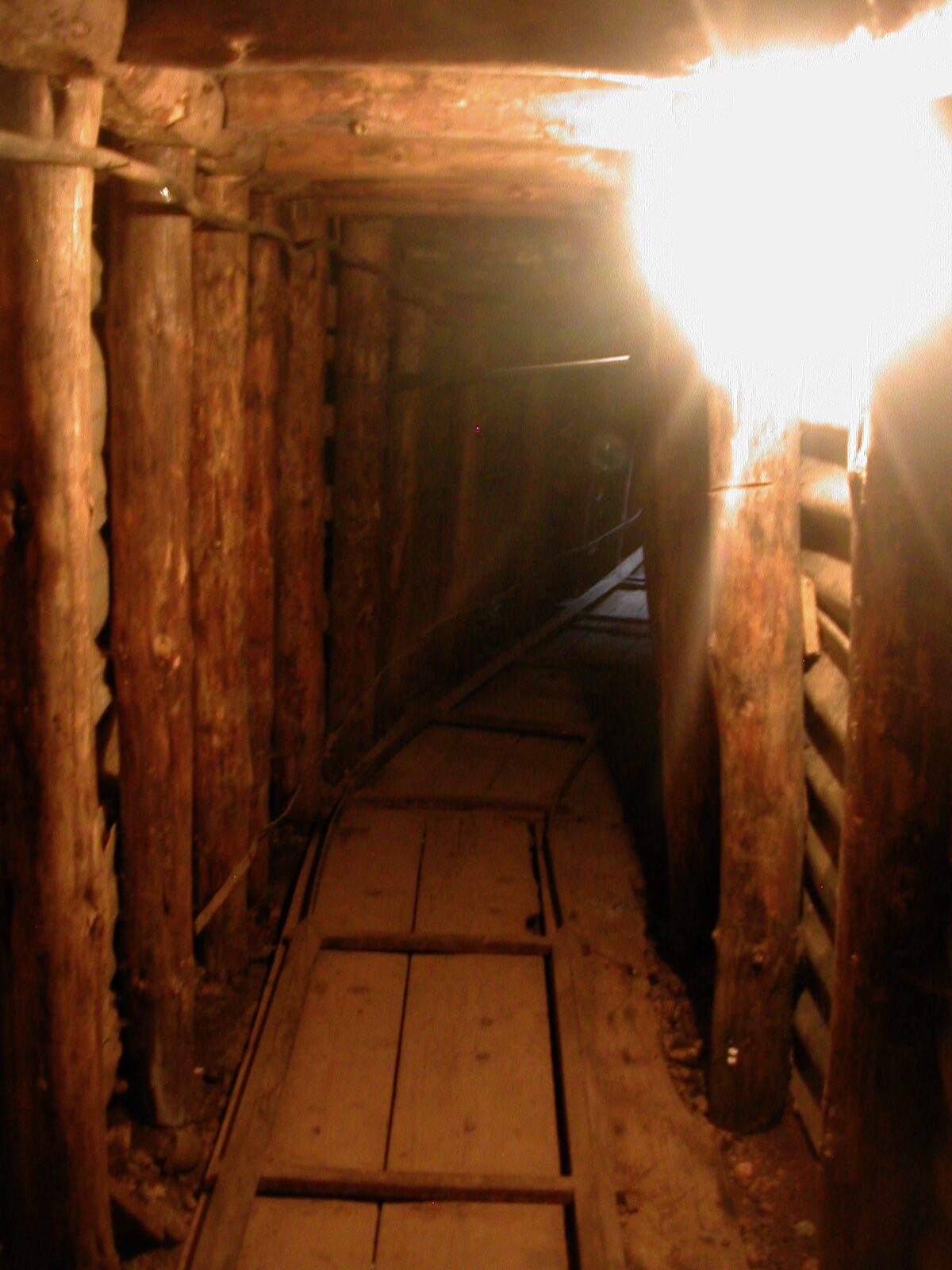
Between March and July 1993, while Sarajevo was enduring what would become the longest siege of a capital city in modern history, a group of Bosnian Army soldiers dug a tunnel under the runway of Sarajevo International Airport. They worked from both ends, from the Bosnian-held neighbourhood of Butmir on the south side, and from Dobrinja on the city side, and met in the middle four months later. The tunnel ran about 800 metres, 1.6 metres high, roughly 1 metre wide, at its deepest 5 metres below the runway. It became the city’s only physical lifeline to the outside world.
Why it was needed
Sarajevo was surrounded from 5 April 1992 until late February 1996. That is 1,425 days. The Kovači Cemetery holds the names of many who defended the city during those years. The Serb army held the hills. The only road into the besieged enclave passed through the airport, which was held by UNPROFOR, the UN peacekeeping force. The UN mandate was to keep the runway neutral, which in practice meant Bosnian forces could not move people or supplies across it. People who tried were turned back. People who ran were shot, by Serb snipers from one side, or stopped by the UN on the other.
The tunnel was the answer. Picks, shovels, wheelbarrows. The opening they widened was the one that was theirs to widen.
What was smuggled through the tunnel?
Almost everything. Food, fuel, ammunition, weapons, post. Wounded soldiers. Aid workers and diplomats. Diesel generators dragged on rails. Cattle. President Alija Izetbegović crossed through more than once. By some estimates 20 million tonnes of supplies moved through during the siege, and 1 million people made the crossing. A small rail track was laid along the floor so carts could be pushed; later, electricity cables and oil pipelines were threaded along the walls.
It was claustrophobic, wet, frequently knee-deep in water, and took about an hour to walk through bent double. It was also the reason Sarajevo did not fall.
The Kolar house
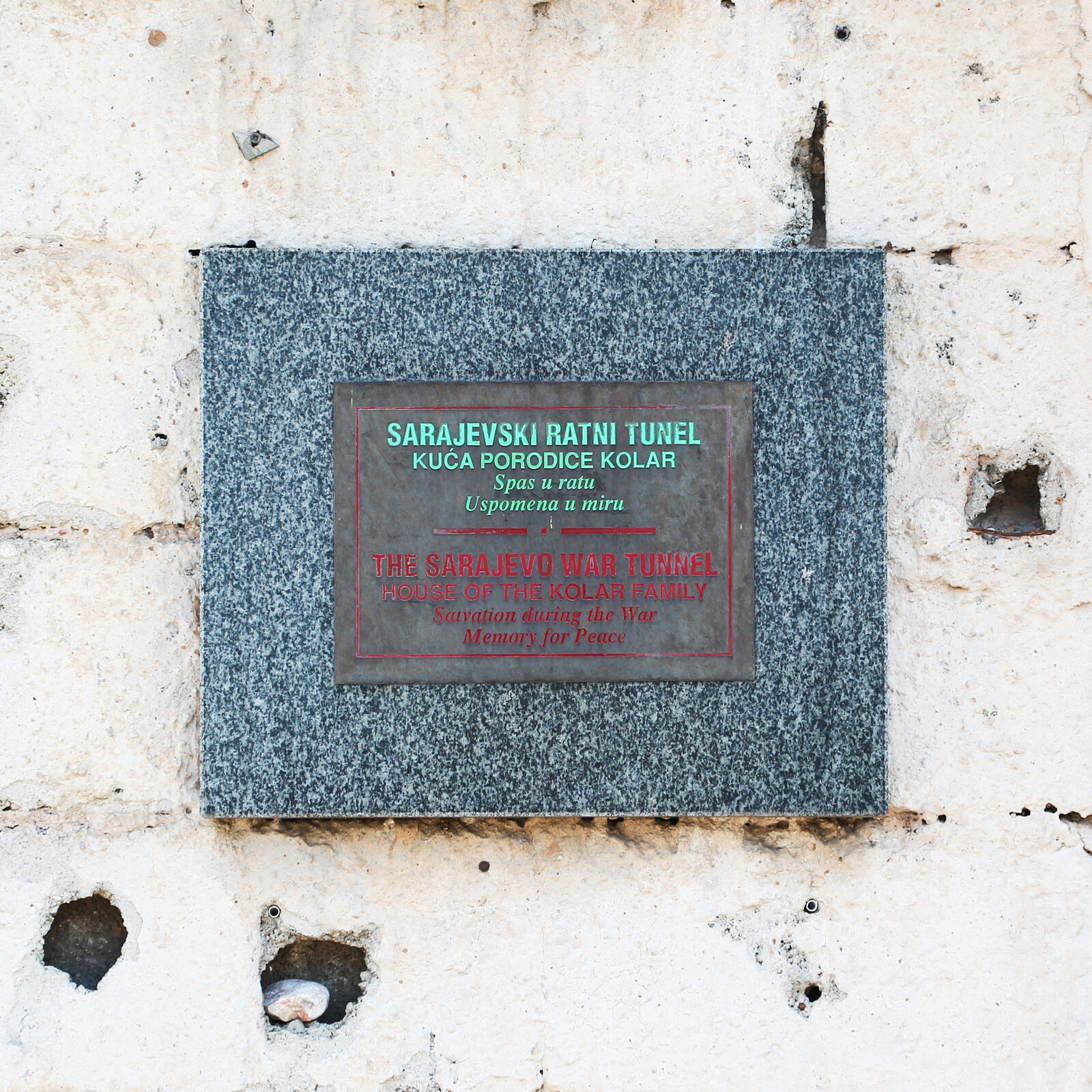
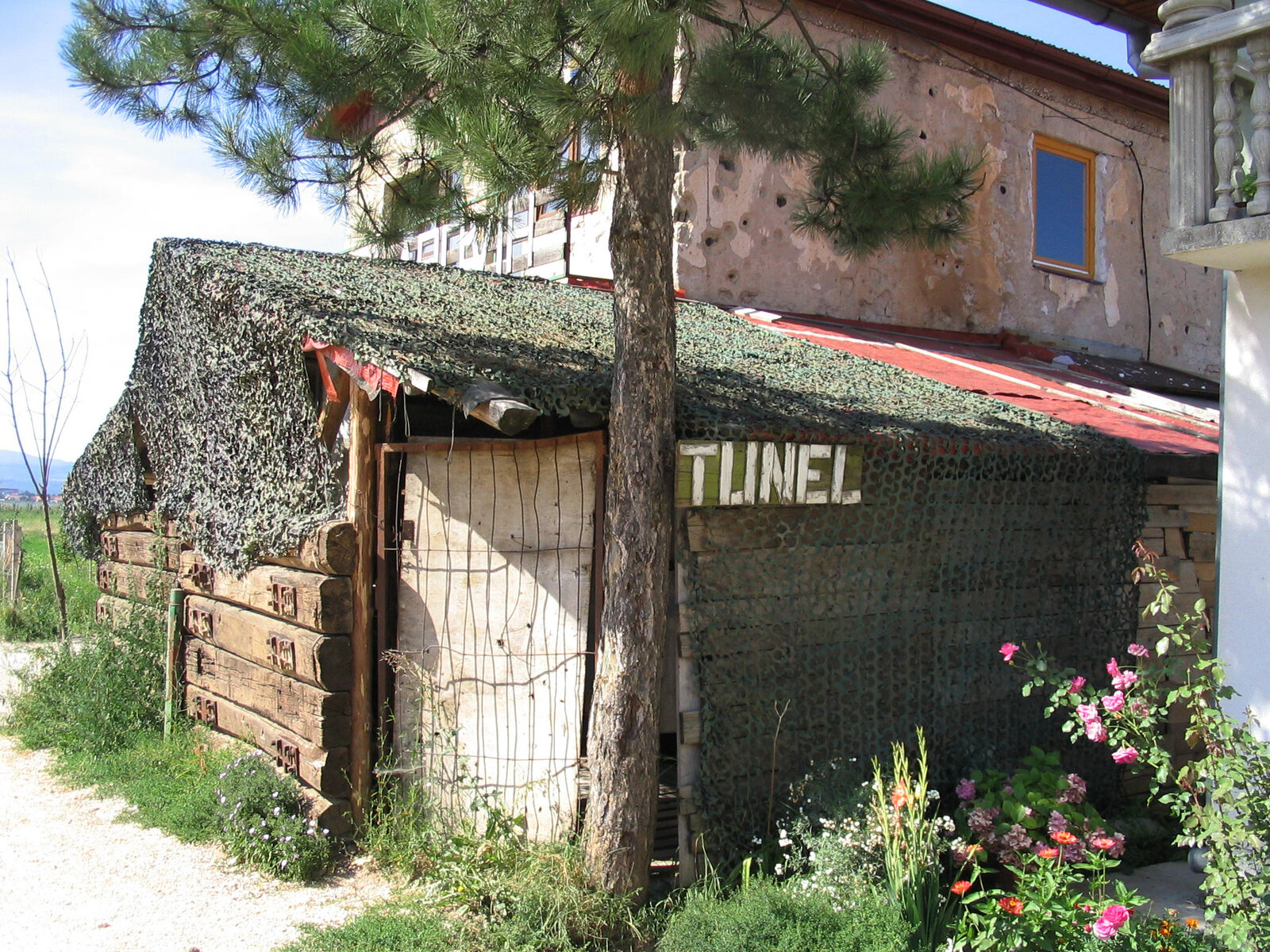
The southern entrance to the tunnel was inside a private family home, owned by the Kolar family, on the Bosnian-held side of the airport in Butmir. The Kolars kept the secret of the tunnel for the entire war. After the siege ended they opened part of their house to the public, and the Tunnel of Hope Museum (Tunel Spasa) has operated there since 1999.
The museum is small and deliberately unflashy. The garden displays military relics from the siege: rusting field guns, a wrecked vehicle, fragments of mortar shells. The house itself holds photographs, personal objects, the original entrance hatch, hand-drawn maps, and short video footage of the digging. A preserved 25-metre section of the original tunnel runs out from the cellar. You walk through it, hunched as those who used it had to be. The dirt walls are still reinforced with the same simple wooden frames the diggers used in 1993. The ceiling is exactly low enough to remind your back.
How do you get to the Tunnel of Hope?
The museum sits about 15 km from the city centre, on the south side of the airport runway, the side most visitors never see. The simplest way to reach it is tram 3 to its Ilidža stop, then a taxi (about 10 minutes, 8–10 BAM). Since 27 September 2026 there is a cheaper option: tram 11 (Hrasnica–Baščaršija) runs south of Ilidža, and from its Škola stop the tunnel is about 1.8 km on foot, roughly 25 minutes, by OpenStreetMap’s walking route. Open the route on your phone before you set off; it skirts the airport. Many travellers visit as part of an organised war-history day tour, which combines the Tunnel with sites in central Sarajevo: the Sarajevo Roses, Sniper Alley, the Holiday Inn, and sometimes Vraca Memorial Park. If your time is limited, that is the right way to see it.
Entrance is currently around 10 BAM. Audio guides are available. The museum is small enough to see in about 45 minutes. Most visitors stay an hour or more, partly because the staff (several of whom are members of the Kolar family) are happy to talk.
The point
It is impossible to spend an hour at the tunnel and leave the same way you came. Sarajevans built it themselves, by hand, in a city no one outside the city wanted to save, and it worked.
Listen to the staff. They are why this museum is what it is.
Sources & further reading
More views
From Sarajevo Tunnel of Hope
Photographs: Baumi · source · CC BY-SA 3.0


Keep wandering
Nearby & related.

Sarajevo Ashkenazi Synagogue
Sarajevo’s working synagogue, built in 1902 in pseudo-Moorish style by the Austro-Hungarian administration for the Jewish community that had grown...

Sarajevo Avaz Twist Tower
The Avaz Twist Tower is Sarajevo’s tallest building (142 metres, completed 2008). A small public observation deck on the 35th...

Sarajevo Baščaršija
The 1462 Ottoman bazaar of Sarajevo, still a working bazaar. Copper workshops on Kazandžiluk, Bosnian coffee at Morića Han, and...