Explore Sarajevo / Destinations / Sarajevo Žuta Tabija
Destination · Vratnik · 3 min read
Sarajevo Žuta Tabija
The Yellow Fortress. A 1727 Ottoman bastion above the old town, where the Ramadan cannon fires every evening at sundown.
- Established
- 1727–1739
- By
- Ottoman, part of the Vratnik fortifications


At a glance
Address
Jekovac, Vratnik
Hours
Always accessible
Price
Free
Getting there
15–20 minutes' steep walk from Sebilj through Vratnik. Minibus 51, 52, 55 to Vratnik.
Time needed
1–2 hours
Best time
Sunset, especially during Ramadan
Coordinates
43.8615° N 18.4377° E
Navigate
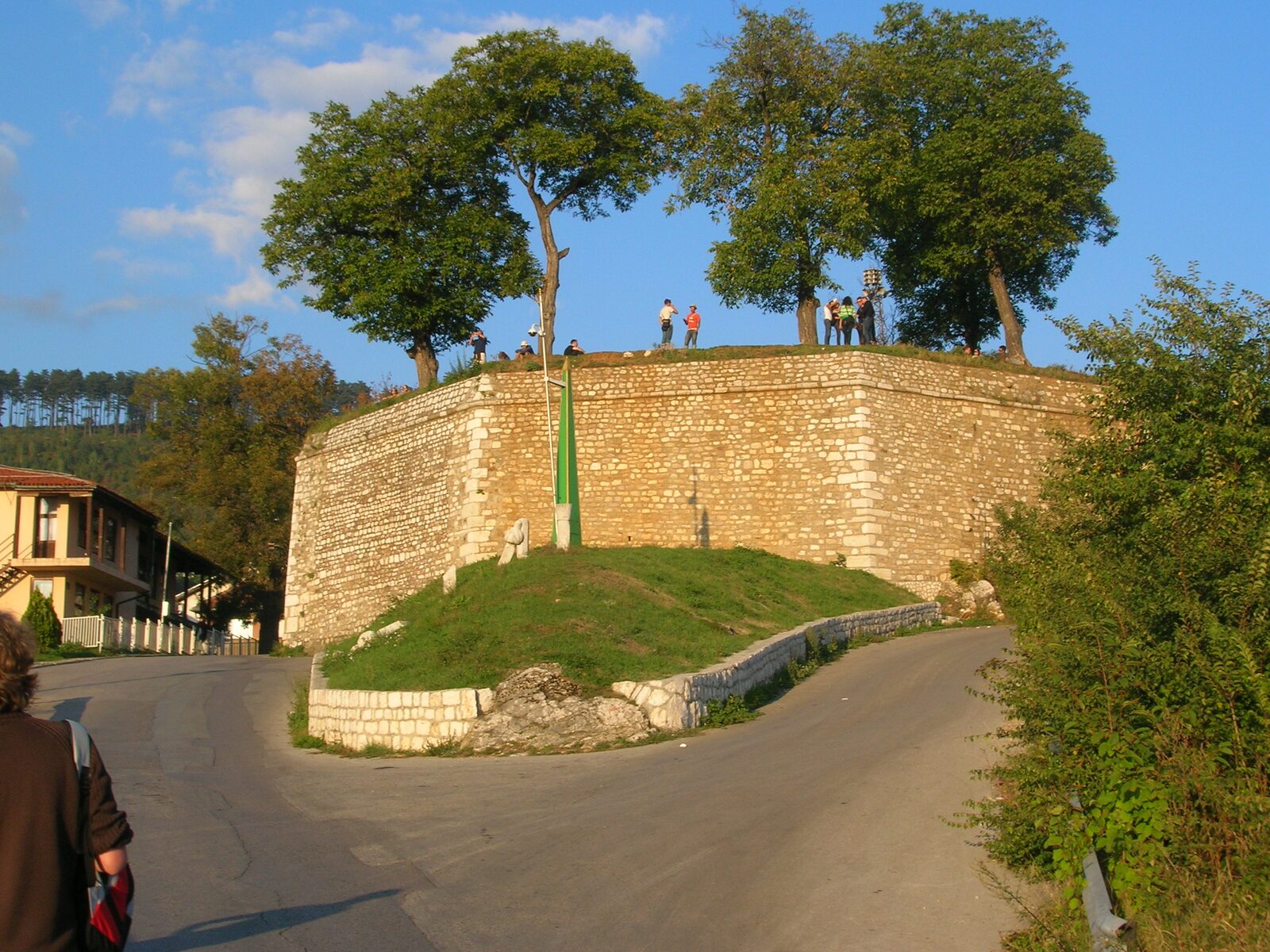
Žuta Tabija (ZHOO-ta TAH-bee-ya) is a stone bastion on the hill of Jekovac, the southeastern shoulder of the Vratnik neighbourhood, looking down on the entire old town. It takes its name from the colour of the limestone the Ottomans used to build it. Stand on its walls at dusk and you read Sarajevo’s geography in one sweep: the river, the bazaar, the minarets, the cable car, the dark line of Trebević on the far side of the valley.
A fortress that was actually a fortress
Žuta Tabija is part of the Vratnik fortifications, the network of walls and bastions the Ottomans built around the uphill edge of Sarajevo in the early 18th century. After Prince Eugene of Savoy’s Austrian raid of 1697 burned much of the city, the Sultan ordered Sarajevo refortified. Between 1727 and 1739 Bosnian governors built the chain of bastions of which Žuta Tabija is the most prominent. With the Bijela Tabija (White Fortress) higher up the ridge and several smaller redoubts, the system gave the city its first proper urban defences.
Through the 19th century a sunset cannon at Žuta Tabija signalled the end of the working day. Under Austro-Hungarian rule and then socialist Yugoslavia the cannon fell silent and the practice was forgotten.
The Ramadan cannon
The cannon came back. Since the 1990s a single small cannon at Žuta Tabija has been fired once a day during Ramadan, at sundown, marking iftar, the moment Muslims may break the day’s fast. It is one of the most beloved rituals in the city, and the fortress is now where Sarajevans of every faith gather to watch the sun set during the holy month.
The atmosphere is unlike anything else in the European calendar. An hour before iftar the walls fill with families spreading out blankets and unpacking food: dates, water, sweet pita. Conversation is loud. Children run along the parapet. The minarets across the valley begin to glow. Then, exactly at sundown, the cannon fires once. The sharp crack echoes off Trebević, and at the same moment, from every mosque in the city, the call to prayer begins. The crowd quiets. The food gets eaten together. The city below is the colour of honey.
You do not need to be religious to feel it. Most people who go stay past dark.
Outside of Ramadan
The fortress is just as worth visiting the rest of the year, in a more ordinary register. By day it is empty enough to picnic on. By late afternoon it fills with young couples, photographers, and locals coming up for the view. A small kiosk inside the walls sells Bosnian coffee, boza, ice cream, and a few sweet pastries. Prices are modest. Bring a book. Stay for sunset. Walk back down through Vratnik when the streetlights come on, the route is one of Sarajevo’s most atmospheric night walks.
Getting up there
The most rewarding approach is on foot. From the Sebilj walk uphill through the old residential neighbourhood of Vratnik for 15 to 20 minutes, past the Kovači Cemetery along Kovači street. The streets narrow, the cobbles tilt, the city drops away behind you. You pass small mosques, courtyard gardens, the occasional cat. The last hundred metres are steep.
If you would rather not climb, minibuses 51, 52, and 55 run from the bazaar up to Vratnik. You lose half the experience. The slow walk into the view is the right way to find it.
Sources & further reading
More views
From Sarajevo Žuta Tabija
Photographs: Damien Smith · source · CC BY-SA 2.0

Keep wandering
Nearby & related.

Sarajevo Kovači Cemetery
The Martyrs’ Cemetery on the slopes above Vratnik, holding more than a thousand defenders killed during the siege. Alija Izetbegović,...

Sarajevo Ashkenazi Synagogue
Sarajevo’s working synagogue, built in 1902 in pseudo-Moorish style by the Austro-Hungarian administration for the Jewish community that had grown...

Sarajevo Avaz Twist Tower
The Avaz Twist Tower is Sarajevo’s tallest building (142 metres, completed 2008). A small public observation deck on the 35th...