Sarajevo's eight museums, ranked — the War Childhood Museum won the Council of Europe Prize; go there first
In 2018 the War Childhood Museum in Sarajevo won the Council of Europe Museum Prize — the highest museum award in Europe, given annually to one institution. It sits in an ordinary apartment building in the čaršija and its permanent collection is a set of specific objects children hid or lost during the 1992–1995 siege. It is now, by international judgement, the best museum in the city. Where to start, what to skip, and what to see in what order — a reader's ranking of the eight most-visited Sarajevo institutions.
Sarajevo has more museums than a city of 275,000 ought to. The reasons are partly historic, the National Museum was founded in 1888 as a Habsburg cultural project, and once one major museum existed the others followed, and partly contemporary: the 1992–1995 siege produced an unusually large body of material that several institutions have built collections around. Combined, the result is one of the most concentrated cities for museum-going in the Balkans.
This is a short, opinionated guide to eight museums that are worth real time. They cover, between them, six millennia (Neolithic Butmir at the National Museum) and forty months (the siege, at the History Museum). Most are within a flat thirty-minute walk of the centre. Two days of museum-going gives you the whole arc, with breaks for coffee and lunch; three days does it slowly.
The ranking below is editorial. Substitute your own priorities. The first four would be on any reader’s list; the next four depend on what you have come to Sarajevo for.
The essential four
1. National Museum of Bosnia and Herzegovina (Zemaljski muzej)
The country’s oldest and most important museum, opened in 1888, in a Karel Pařík pavilion complex on Zmaja od Bosne. Archaeology, ethnology, natural history, a botanical garden, and the Sarajevo Haggadah in a dedicated climate-controlled vault on the lower floor.
- Time needed: half a day (3–4 hours).
- Address: Zmaja od Bosne 3, Marijin Dvor.
- Hours: Tue–Sat 10:00–19:00, Sun 10:00–14:00. Verify on arrival.
- Price: ~5 BAM.
- Full entry on this site.
If you have one museum morning, this is it.

2. Galerija 11/07/95
The memorial museum to the Srebrenica genocide of July 1995. Founded in 2012 by photographer Tarik Samarah, on a quiet square at the western edge of the bazaar. Take the audio tour. Allow two hours.
- Time needed: 1.5–2 hours.
- Address: Trg Fra Grge Martića 2, Centar.
- Hours: Typically 09:00–22:00.
- Price: ~12 BAM.
- Full entry on this site.
The single most affecting museum visit in the city. The pairing with the National Museum on the same day works: monumental, then intimate.
3. History Museum of Bosnia and Herzegovina (Historijski muzej)
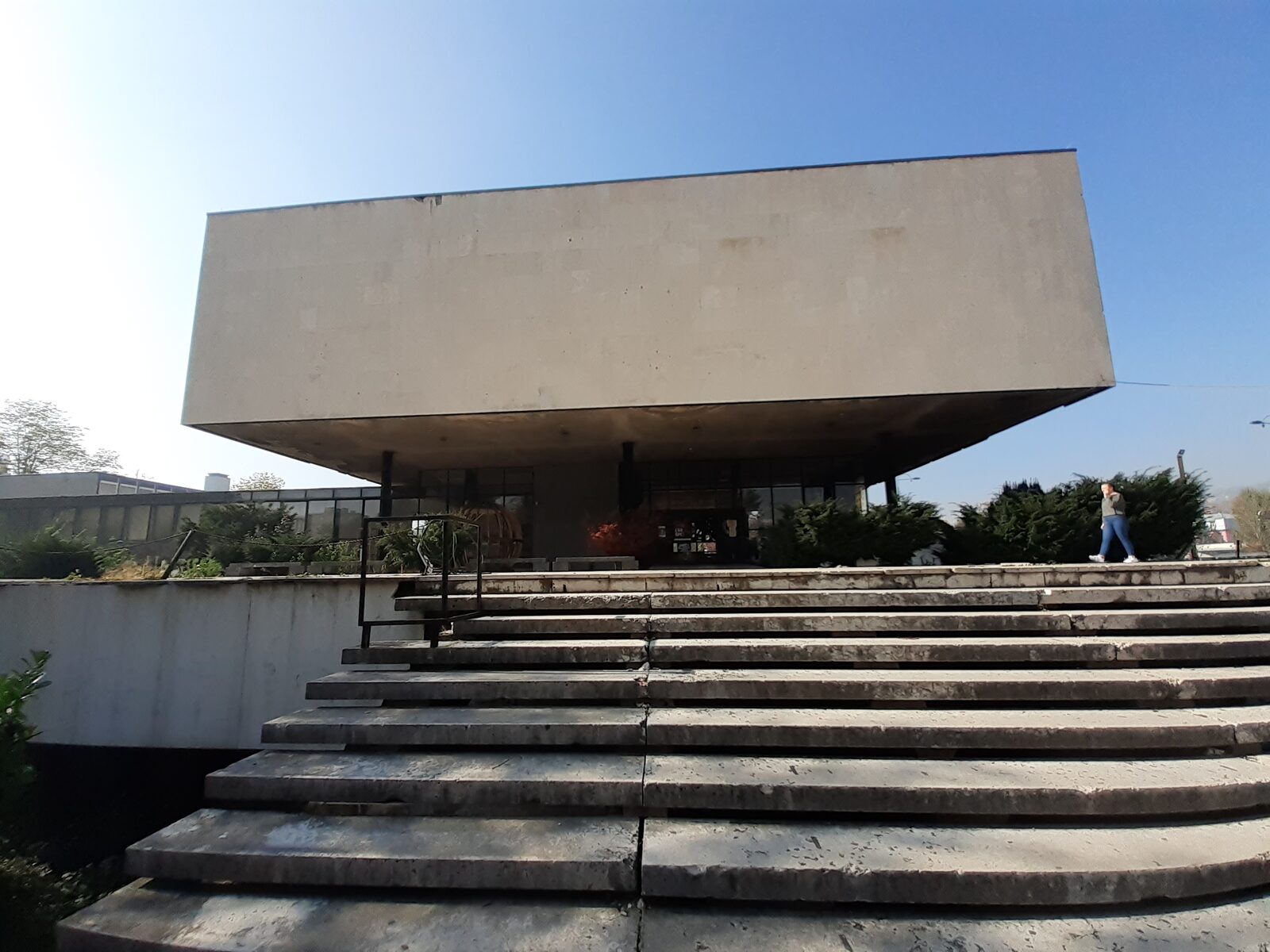
A 1963 Boris Magaš socialist-modernist building on Zmaja od Bosne, next door to the National Museum. The permanent Besieged Sarajevo exhibition is the most rigorous treatment of the 1992–95 siege available to the public anywhere. Includes a reconstructed Holiday Inn room, the wall of Oslobođenje siege-era front pages, and an archive of war journalism.
- Time needed: 1.5–2 hours.
- Address: Zmaja od Bosne 5, Marijin Dvor.
- Hours: Typically Mon–Fri 09:00–19:00, weekends to 14:00.
- Price: ~5 BAM.
- Full entry on this site.
Pair with the National Museum on a single Marijin Dvor morning.
4. War Childhood Museum (Muzej ratnog djetinjstva)
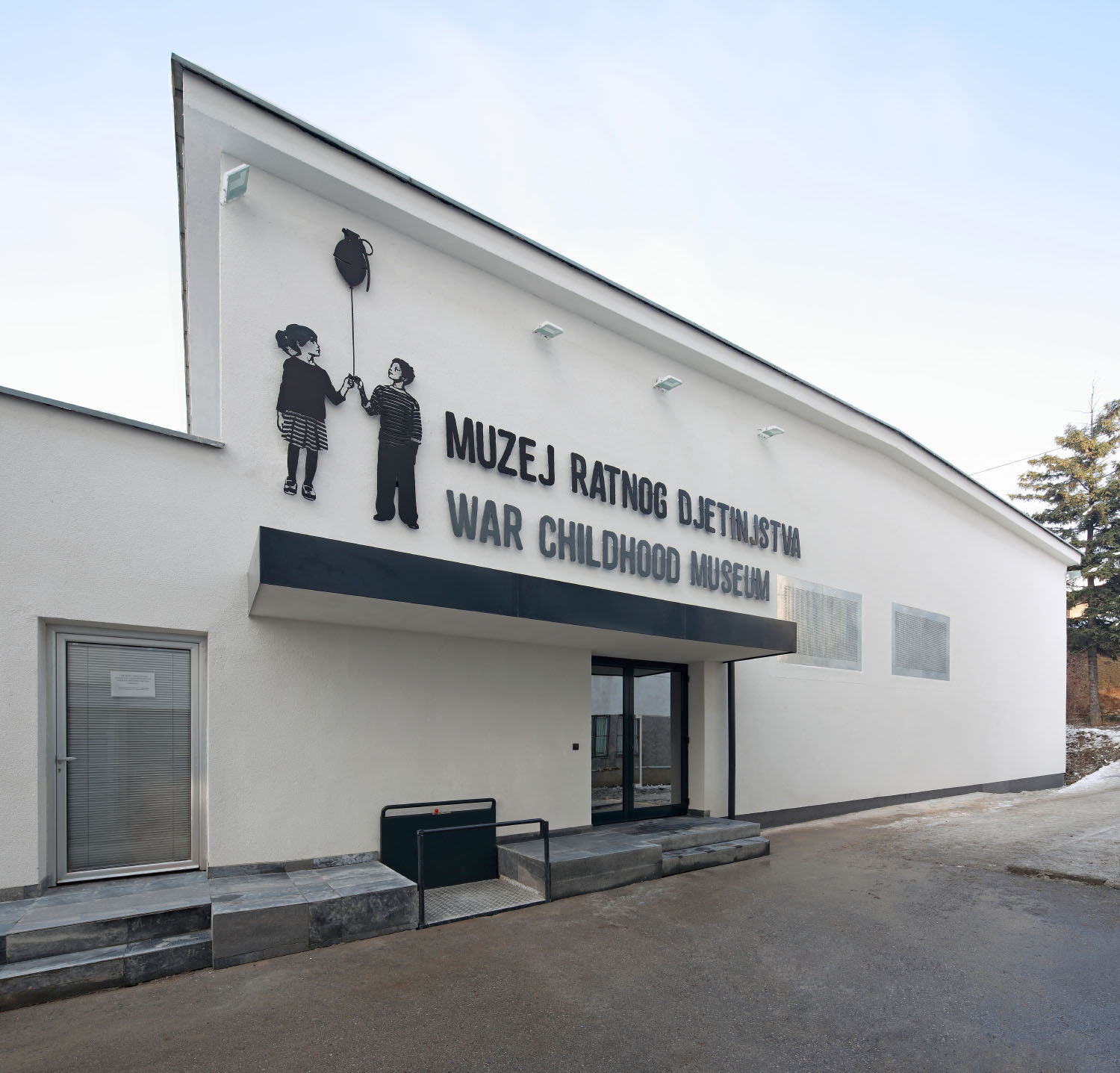
The only museum in the world dedicated to children’s experience of war. Founded in 2017 by Jasminko Halilović, built from objects and one-paragraph testimonies donated by people who were children during the 1992–95 siege. Council of Europe Museum Prize 2018. An hour. Quiet rooms.
- Time needed: 1 hour, longer if you watch the testimonies.
- Address: Logavina 32, Stari Grad.
- Hours: Typically 11:00–19:00 daily.
- Price: ~12 BAM.
- Full entry on this site.
The most distinctive museum visit in the city, and one of the more distinctive in Europe.

The next four
5. Museum of Sarajevo 1878–1918
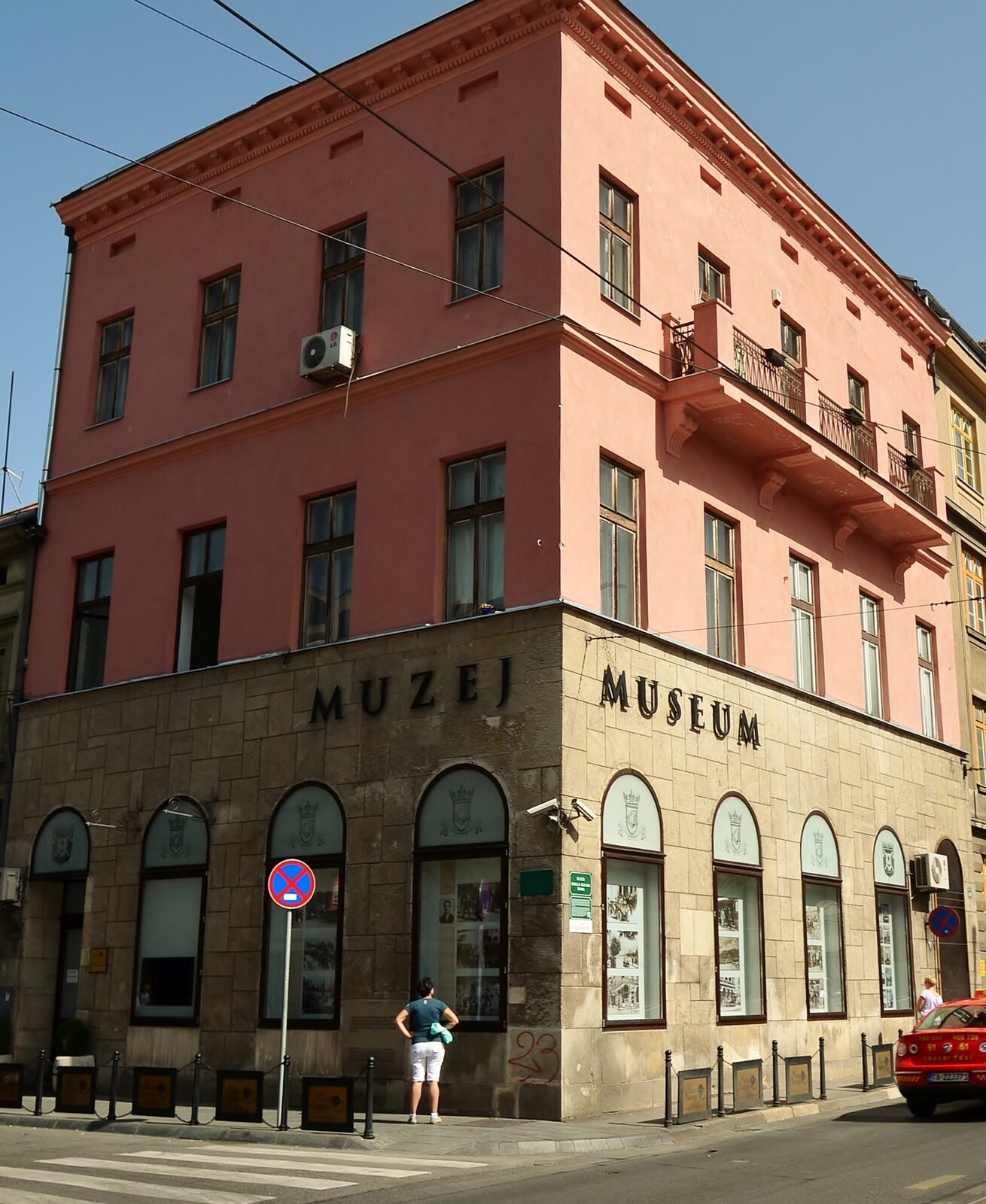
The small museum on the corner where Gavrilo Princip shot Archduke Franz Ferdinand on 28 June 1914. Two rooms documenting the Habsburg period in Sarajevo and the assassination itself. The plaque on the wall outside is the more affecting half of the visit.
- Time needed: 30–45 minutes, plus 10 minutes outside.
- Address: Zelenih beretki 1, Centar (north foot of the Latin Bridge).
- Hours: Typically 10:00–18:00.
- Price: ~3 BAM.
- Full entry on this site.
Combine with the Latin Bridge across the road and the walk west to Ferhadija. Fifteen minutes of walking opens up the whole Habsburg quarter.

6. Tunnel of Hope (Tunel spasa)
The Sarajevo siege tunnel, dug 1993, run under the airport runway to connect the besieged city with the only Bosnian-controlled territory beyond. Today about 25 metres of the original 800-metre tunnel is preserved as a museum, with a small exhibition centre at the Butmir end.
- Time needed: 2 hours including transport from the centre.
- Address: Tuneli 1, Ilidža (Butmir).
- Hours: Typically 09:00–17:00 (winter), to 19:00 (summer).
- Price: ~10 BAM.
- Full entry on this site.
A taxi or organised tour is the practical way to reach it. Allow half a day with travel time.
7. Sarajevo Jewish Museum (in the Old Synagogue)
A small permanent exhibition in the Old Synagogue (Stari hram) on Velika Avlija in Baščaršija, the building was the Sephardic synagogue of Sarajevo from the late 16th century to 1941, and is now a museum of the Sarajevo Jewish community. Worth thirty minutes if you are walking through the bazaar.
- Time needed: 30–45 minutes.
- Address: Velika Avlija bb, Stari Grad.
- Hours: Typically 10:00–18:00, closed Saturdays.
- Price: ~3 BAM.
The museum is small and quiet; the building itself is the larger heritage. Sephardic Hebrew inscriptions in the women’s gallery; a small collection of Torah pointers and religious silverware.
8. Sarajevo City Museum — Despića House
A 19th-century Sarajevan town house preserved with its original furniture and household goods, on Despićeva 4 in the Ćemaluša area. Operated by the Sarajevo Museum as a branch of the larger institution. The most intact example in central Sarajevo of how a wealthier Sarajevan family lived in the second half of the 19th century.
- Time needed: 30 minutes.
- Address: Despićeva 4.
- Hours: Typically Tue–Sat 10:00–18:00.
- Price: ~3 BAM.
Smaller and quieter than the National Museum’s ethnology section, and worth the diversion if you are interested in domestic life.
A two-day museum sequence
If you have two full days for museums in Sarajevo, the cleanest sequence:
Day 1, the Marijin Dvor strip. Open at 09:00 at the National Museum. Stay three hours; see the Haggadah in the late-morning viewing window. Walk five minutes west to the History Museum for Besieged Sarajevo and the temporary exhibitions. Lunch at the Inat Kuća on the river (ten minutes’ walk back east). Afternoon: tram up to Galerija 11/07/95, two hours.
Day 2, the harder visits. Open at the War Childhood Museum on Logavina. Walk back down to the Latin Bridge for the Museum of Sarajevo 1878–1918 (45 minutes). Lunch on Bravadžiluk. Afternoon: a taxi out to the Tunnel of Hope in Butmir.
That gives you the four essentials, two of the next four, and a full reading of the country’s modern history. Skip the Jewish Museum and Despića House on a tight schedule; pick them up on a third day if you have one.
A note on what is not on this list
There are other museums in Sarajevo that we are not covering yet, the Museum of Crimes Against Humanity and Genocide (Muvekita 11), the Brusa Bezistan (a 16th-century covered market with a small Sarajevo history exhibit), the Olympic Museum (closed for renovation as of writing, scheduled to reopen at the Zetra arena), and the small Spite House Museum of Sarajevan urban history in the Inat Kuća upper rooms. Some of these will move into the rankings as we cover them on the site. For now, the eight above are the working core.
The country’s history, from the Neolithic clay pots of Butmir to the wall of newspapers from the siege of Sarajevo, fits comfortably into two days of walking. It is one of the more concentrated museum cities in Europe. Take the time. And, this is a small local rule worth knowing, do not rush the coffee between the museums. Ćejf applies in the café across the street as much as in the gallery.
Further reading
- The Sarajevo Haggadah: a book that has outlived five empires: the long-form on the National Museum’s most important holding.
- Sarajevo’s UNESCO list: four entries, none of them a building: the wider heritage context.
- Pronouncing the bazaar: a short, mostly painless lesson: to read the museum captions out loud without embarrassment.
Sources & further reading
Keep reading
More from the guide.

Sarajevo — five things no other European capital has
Sarajevo gets compared to other cities a lot. Istanbul for the bazaar, Vienna for the Habsburg quarter, Berlin for the war-history walks....

Sarajevo Ottoman bridges — four still cross the Miljacka, and one of them is Roman
Sarajevo had at least seven Ottoman stone bridges in its 16th-century prime. Four survive: Šeher-Ćehaja (1585), Kozija Ćuprija (16th c.), the Latin...

Sarajevo Haggadah — a book that has outlived five empires
The Sarajevo Haggadah is a Sephardic Hebrew manuscript made in Northern Spain around 1350, in Sarajevo since at least the late Ottoman...