
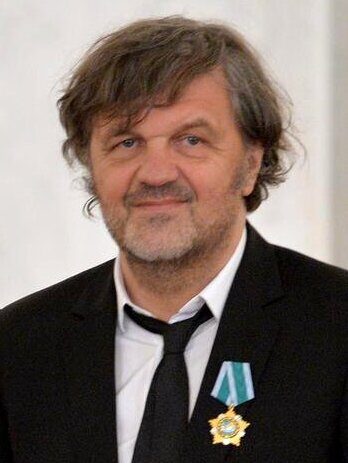
Emir Kusturica
Two-time Palme d'Or winner, for When Father Was Away on Business (1985) and Underground (1995).
Audiences: The perennial user split: fans love his films, many deplore the man.
Behind the camera
The people who pointed the camera at Sarajevo — every director represented in the film collection, with the films they made here. Browse the films by title, or stay here and browse by the people who made them.
Two-time Palme d'Or winner, for When Father Was Away on Business (1985) and Underground (1995).
Audiences: The perennial user split: fans love his films, many deplore the man.
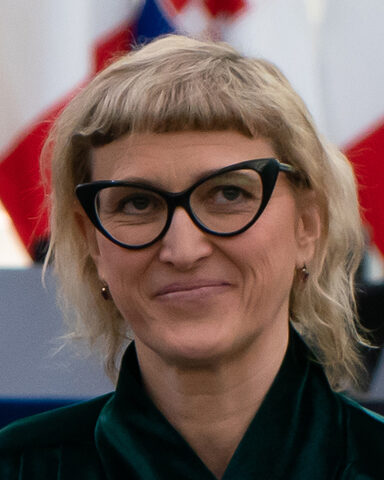
War-trauma subjects throughout: Grbavica (2006) won the Golden Bear, the first Bosnian feature to do so, and Quo Vadis, Aida? (2020) was Oscar- and BAFTA-nominated for its account of the Srebrenica genocide.
Audiences: Local pride is explicit; Quo Vadis, Aida? is praised for its restraint.
Directed The Perfect Circle (1997), which won the François Chalais Prize at Cannes; during the siege he shot over fifty documentaries including the BBC Two series Sarajevo: A Street Under Siege, co-directed with Patrice Barrat (BAFTA and Locarno Jury Award, 1994), and later produced the early features of Pjer Žalica (Gori vatra, Kod amidže Idriza) and Srđan Vuletić (Ljeto u zlatnoj dolini).
Audiences: The Perfect Circle is treated by viewers as 'in a sense the first Bosnian film'.
Feature debut Snow (2008) won the Grand Prix at Cannes Critics' Week; Children of Sarajevo (2012) won the Un Certain Regard Special Distinction and was Bosnia's Oscar entry. Contributed the segment Album to Bridges of Sarajevo (2014).
Directed the centenary television film Sarajevo (2014) for ZDF and ORF.

Directing debut In the Land of Blood and Honey (2011), a war drama in the Bosnian, Serbian and Croatian languages, set during the Bosnian War.
Audiences: Deeply divisive among viewers — serious war film or propaganda.

Documentarian whose Miss Sarajevo footage, shot during the siege, inspired U2's song of the same name.
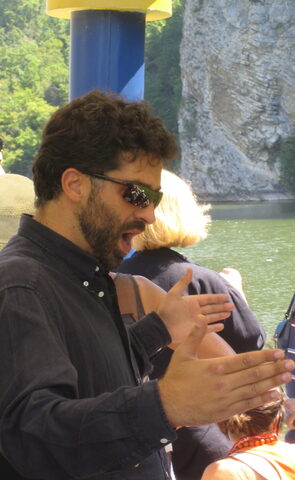
No Man's Land (2001) won the Academy Award for Best Foreign Language Film; Death in Sarajevo (2016) won the Berlin Jury Grand Prix.
Audiences: No Man's Land is called the most underrated Oscar winner — Bosnia's proudest film.
Directed the Peabody Award-winning Shot Through the Heart (1998).
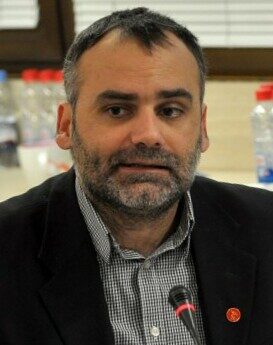
Directed Remake (2003) and is director of the Sarajevo National Theatre (since September 2021).
Two-time Palme d'Or winner, for When Father Was Away on Business (1985) and Underground (1995).
Audiences: The perennial user split: fans love his films, many deplore the man.
Directed the documentary Sarajevo March (2017).
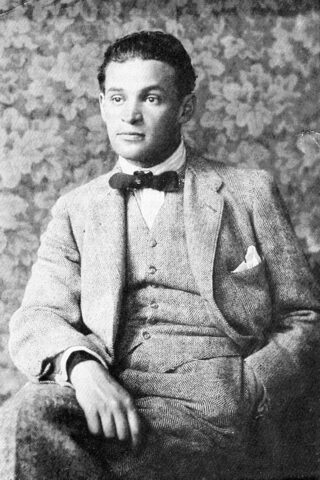
Actor and director of the 1955 film Sarajevo, made after Yugoslavia refused the project.
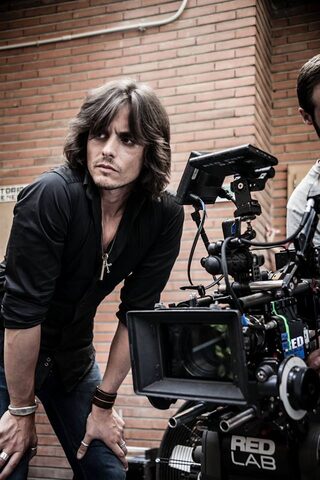
Spanish producer and director, co-founder of Tornasol Films.
Co-directed the documentary No Smoking in Sarajevo (2016) about the band Zabranjeno Pušenje.
Directed Walter Defends Sarajevo (1972), the best-known of his Partisan-film trilogy.
War-trauma subjects throughout: Grbavica (2006) won the Golden Bear, the first Bosnian feature to do so, and Quo Vadis, Aida? (2020) was Oscar- and BAFTA-nominated for its account of the Srebrenica genocide.
Audiences: Local pride is explicit; Quo Vadis, Aida? is praised for its restraint.
Documentarian who won an Academy Award for Just Another Missing Kid (1983).
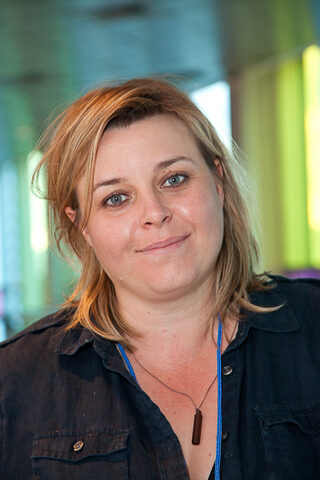
Debut feature The Whistleblower (2010) drew six Genie Award nominations.
Directed Welcome to Sarajevo (1997), based on Michael Nicholson's true story.
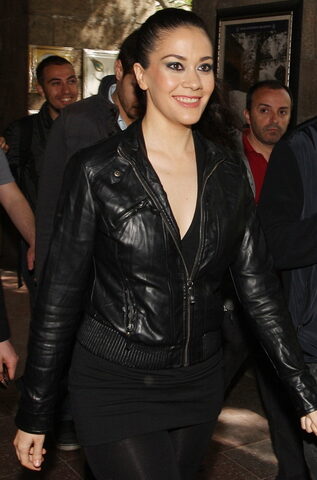
Debut feature Seasons of War, filmed on location in Sarajevo in July 2014.
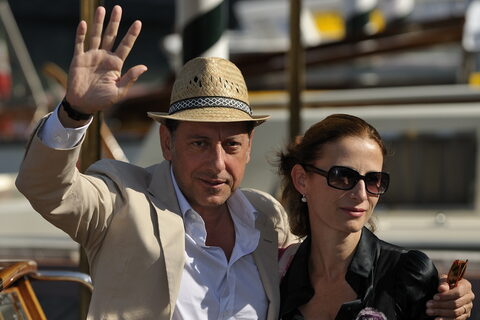
Directed Twice Born (2012), from Margaret Mazzantini's novel.
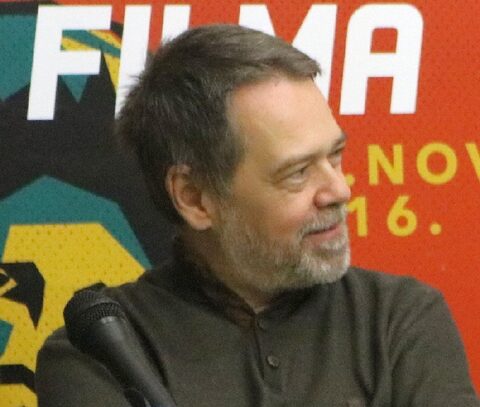
Screenwriter and director of Sivi kamion crvene boje (2004).
Directed It's Hard to Be Nice (2007), which opened the Sarajevo Film Festival; his debut Ljeto u zlatnoj dolini (2003) was produced by Ademir Kenović.
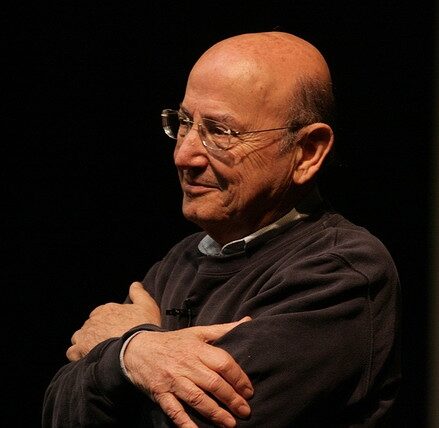
Directed Ulysses' Gaze (1995), whose final sequence is set in besieged Sarajevo.
Wrote and directed Excursion (2023), Bosnia and Herzegovina's entry for the 96th Academy Awards.
Director of partisan epics; his films include four of the most-watched Yugoslav films ever made.
Golden Arena for Best Director for The Dervish and Death (1974).
Bridges of Sarajevo was made by thirteen directors, one per bridge over the Miljacka.
Feature debut Snow (2008) won the Grand Prix at Cannes Critics' Week; Children of Sarajevo (2012) won the Un Certain Regard Special Distinction and was Bosnia's Oscar entry. Contributed the segment Album to Bridges of Sarajevo (2014).
Portrait: Bergamo Film Meeting · CC BY 3.0
Italian director whose debut feature The Interval (2012) won the David di Donatello for Best New Director; contributed the segment The Outpost to Bridges of Sarajevo (2014).
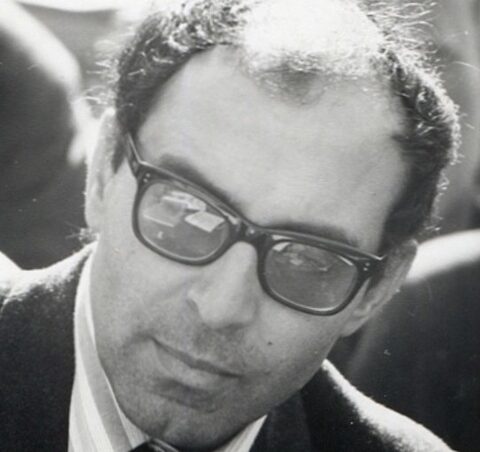
French New Wave pioneer whose Breathless (1960) reshaped cinema; contributed the segment The Bridge of Sighs to Bridges of Sarajevo (2014).
Portrait: Gary Stevens · CC BY 2.0
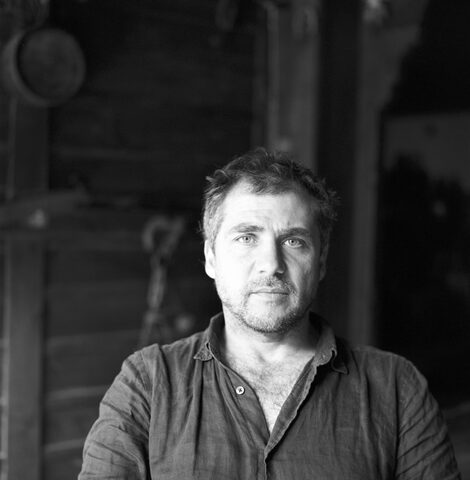
Bulgarian director who came to prominence with Eastern Plays (2009), which brought him numerous international awards; contributed the segment My Dear Night to Bridges of Sarajevo (2014).
Portrait: Kamen Kalev · CC BY-SA 4.0

French actress-filmmaker whose honours include the Étoile d'Or de la révélation féminine and the Marcello Mastroianni Award at Venice; contributed the segment Little Boy to Bridges of Sarajevo (2014).
Portrait: Georges Biard · CC BY-SA 3.0
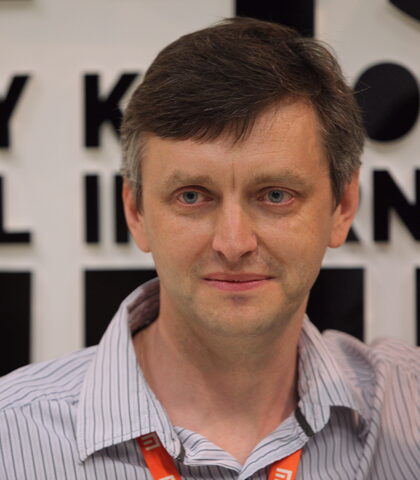
Ukrainian filmmaker of Belarusian origin, known for archival-footage documentaries on Soviet history and for slow-cinema dramas; contributed the segment Reflections to Bridges of Sarajevo (2014).
Portrait: Petr Novák · CC BY-SA 3.0
Italian filmmaker whose features run from Sailing Home (2001) to First Light (2015); contributed the segment The Bridge to Bridges of Sarajevo (2014).
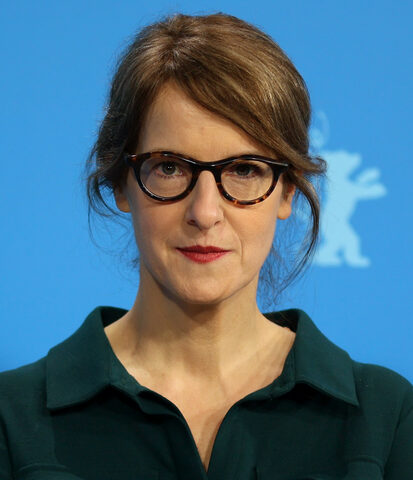
French-Swiss director whose Sister (2012) won the Silver Bear at the Berlin Film Festival; contributed the segment Quiet Mujo to Bridges of Sarajevo (2014).
Portrait: Elena Ternovaja · CC BY-SA 3.0
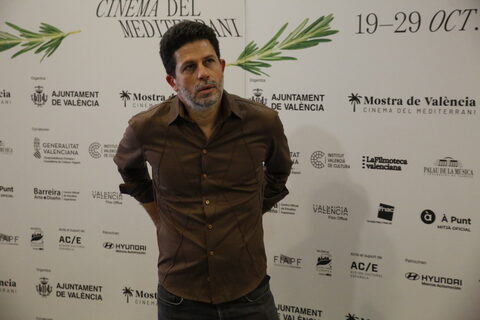
Serbian director whose debut Ordinary People (2009) won the Heart of Sarajevo for Best Film at the Sarajevo Film Festival; contributed the segment Our Shadows Will to Bridges of Sarajevo (2014).
Portrait: Francesc Fort · CC BY-SA 4.0
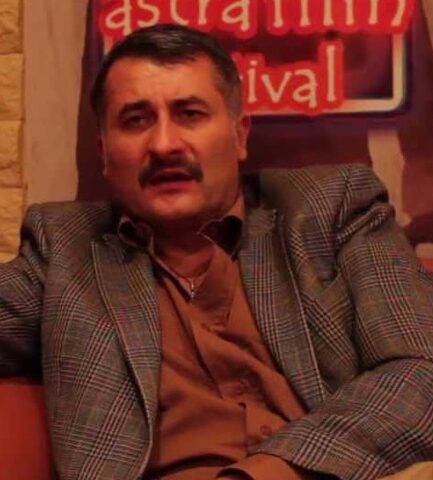
Romanian director of The Death of Mr. Lazarescu (2005), a defining film of the Romanian New Wave; contributed the segment The Spectrum of Europe to Bridges of Sarajevo (2014).
Portrait: HotNews Romania · CC BY 3.0
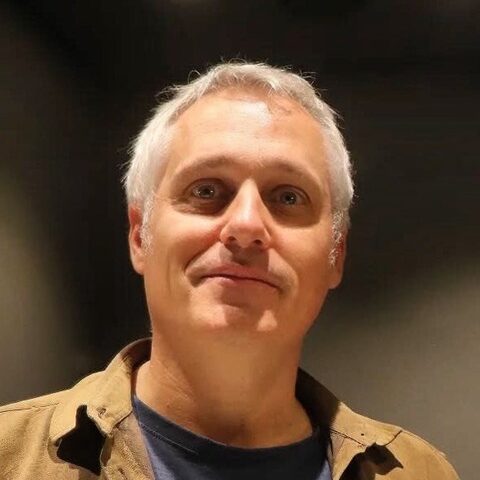
Catalan director whose Pau and His Brother (2001) screened at the Cannes Film Festival; contributed the segment Zan's Journey to Bridges of Sarajevo (2014).
Portrait: Sickahick · CC0
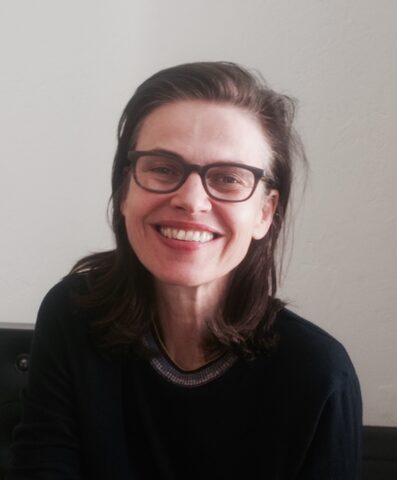
German director who won the Silver Bear for Best Director at Berlin 2019 for I Was at Home, But; contributed the segment Princip, Text to Bridges of Sarajevo (2014).
Portrait: Hermine Engel · CC BY-SA 4.0
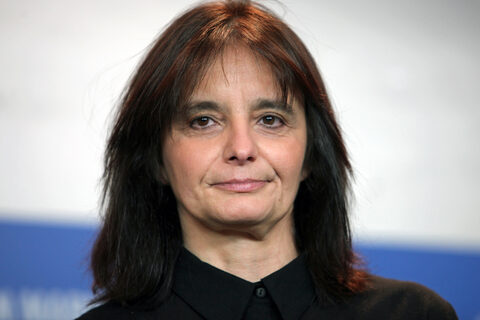
Portuguese director whose The Mutants (1998) screened in the Un Certain Regard section at Cannes; contributed the segment Sara and Her Mother to Bridges of Sarajevo (2014).
Portrait: Paul Katzenberger · CC BY-SA 4.0