
Sarajevo on film 1985 Yugoslavia
When Father Was Away on Business (Otac na službenom putu)
A Palme d'Or winner that treats the 1948 political purge through the eyes of a six-year-old in Sarajevo — and made Kusturica a festival name overnight.
- Director
- Emir Kusturica
- Year
- 1985
- Runtime
- 136 minutes
- Language
- Serbo-Croatian
- Country
- Yugoslavia
- Genre
- drama, comedy
When Father Was Away on Business is the film that made Emir Kusturica the most famous director Sarajevo ever produced, and it is set entirely in the city the director grew up in. The year is 1950. Six-year-old Malik lives in a comfortable Baščaršija neighbourhood; one morning his father, a party man, does not come home. The official line — and the child’s understanding — is that he is “away on business”. He is actually in a labour camp, purged for an offhand remark made years earlier. The film is the family’s long, awkward wait, told from the floor of Malik’s eyes, where the absurdity of the state and the warmth of the household are given equal weight.
The film won the Palme d’Or at Cannes in 1985 — the same year it premiered — and turned a Sarajevo-born director into an international name. It is also a specific portrait of the city: the Sarajevo of the 1950s, caught between the Ottoman lanes of the old town and the new Yugoslav blocks, at the moment when a political system was beginning to press on ordinary families. Kusturica’s Sarajevo here is warm, chaotic, and suspicious all at once — the private world of a mahala trying to keep itself intact against the state.
For a visitor, it is the essential film for understanding the city’s relationship with the Yugoslav era: the source material of the generation that later produced both the war and the art about the war. Watch it before walking the old town, and the streets acquire a second, earlier layer.
Critical reception
The film won the Palme d’Or at the 1985 Cannes Film Festival — alongside a FIPRESCI Prize the same year — and was nominated for the Academy Award for Best Foreign Language Film. Critics treated it as a human comedy as much as a political film, and it holds a perfect 100% Tomatometer.
Public reception and legacy
The Palme d’Or made Kusturica an international name, and the film is now protected cultural heritage — included in the list of the hundred greatest Serbian films and declared a cultural good of great importance in 2016. Danilo Kiš called it “an artistic and moral endeavour”, and the Hollywood Reporter later ranked it the 26th-best Palme d’Or winner ever. It holds a 100% critics’ and 91% audience score on Rotten Tomatoes.
What the critics said
“Pic scores as a film of irony and sarcasm, imbued with 'human comedy' tenderness.”Read the review →

“a humorous, richly detailed portrait of Malik and his family”Read the review →
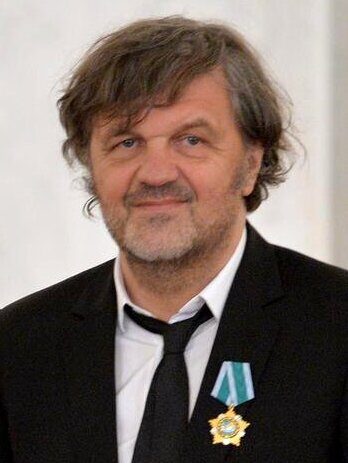
Portrait: Bedford Playhouse · CC BY 3.0