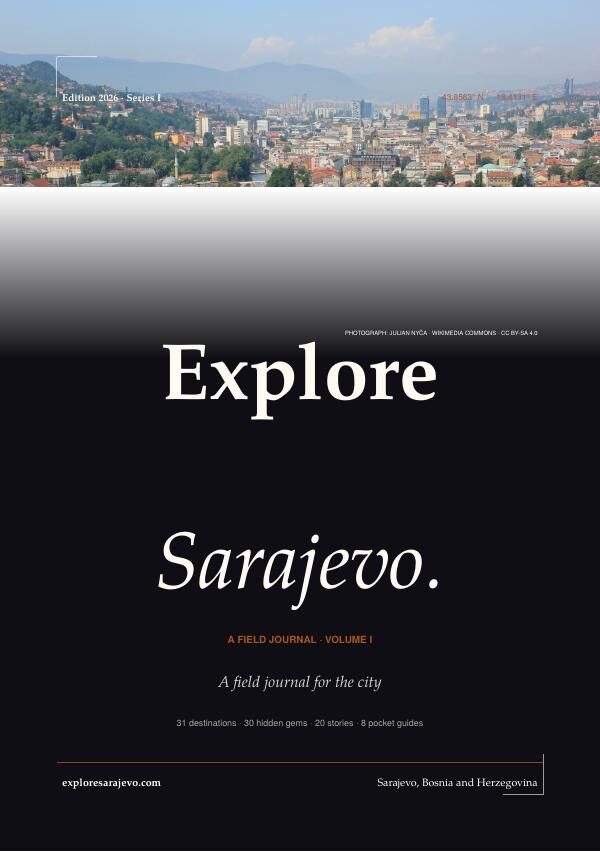
Sarajevo's five festivals — sixty years, mostly unbroken by war
Film, jazz, theatre, sevdah and winter — the annual cultural calendar that the city has run, mostly without interruption, since the 1960s.
Sarajevo has more cultural festivals per resident than any small European capital I know. Five of them are big enough to plan a trip around. Three started during or just after the 1992–95 siege, culture as recovery; one is older than the country itself (MESS, founded 1960); one started in the run-up to the 1984 Olympics and never stopped (the Winter Festival). Together the five occupy five months of the year, February to March (Winter), July (Baščaršija Nights), August (Film Festival), October (MESS), and November (Jazz Fest), for a combined 94 days of programming.
Here is each, in the order they appear in the year, with what to know and when to book.
1. Sarajevo Winter Festival (Sarajevska zima) — February to March
The oldest of the five still running. Founded in 1984 by Ibrahim Spahić as a parallel cultural programme to the XIV Winter Olympic Games, and held every year since, including during the 1992–95 siege. The festival is multi-disciplinary (opera, theatre, classical concerts, exhibitions, literary evenings, film) and runs across most venues in the city for roughly six weeks, from early February to mid-March.
The Winter Festival has a particular place in Sarajevan civic memory because of the siege years. The 1993, 1994, and 1995 editions continued in a besieged city, with concerts staged in the Skenderija sports centre and the basement of the Vijećnica. The festival’s argument, that the city’s cultural life would continue even when the city itself was under fire, became one of the symbolic acts of the siege. The 2026 edition runs from 7 February to 21 March (the 41st).
- When: Early February to mid-March, annually. 2026 dates: roughly 7 February – 21 March.
- Venues: Spread across the city. The Skenderija sports complex, the National Theatre, the Sarajevo Art Gallery, and the Bosniak Institute are the most frequently used.
- Tickets: Highly variable. Most events 10–30 BAM; some free.
- Why go: The breadth. Six weeks of mixed-discipline programming is hard to match in any small European capital. Verify the season’s lineup on the official site before planning.
2. Baščaršijske Noći — Baščaršija Nights — 1 to 30 July
A summer festival of the bazaar and the city centre. All of July, every year since 1996, 2026 is the 30th anniversary edition, running 1–30 July. Venues rotate across the Old Town and Marijin Dvor: the square in front of the National Theatre, At Mejdan, Brusa Bezistan, the BKC gallery, and the Vijećnica for the closing night.
Programming is mixed but skews traditional: sevdah evenings (most weeks), classical concerts, opera and ballet (often in cooperation with the National Theatre), folklore ensembles, and literary readings. Organised by the Sarajevo Cultural Centre (BKC), the festival draws roughly 150,000 attendees over the month across the full programme.
The 2026 edition opens with Bombaj Štampa at the National Theatre square on 1 July and closes on 30 July at the Vijećnica with a programme dedicated to Safet Isović. Most evenings are free or low-cost; book the ticketed ones a few days ahead.
- When: 1 July to 30 July, annually (2026: 30th edition).
- Venues: National Theatre square, At Mejdan, Brusa Bezistan, BKC Gallery, and the Vijećnica for the closing night. Almost all evening events.
- Tickets: Many events free; ticketed evenings low-cost.
- Why go: The setting. A sevdah evening in the Old Town under a Sarajevo summer sky is the kind of cultural experience the city builds its civic identity around.
- Cross-link: Our long-form on the music tradition itself is at Sevdah and the Two Souls.
3. Sarajevo Film Festival (SFF) — mid- to late August
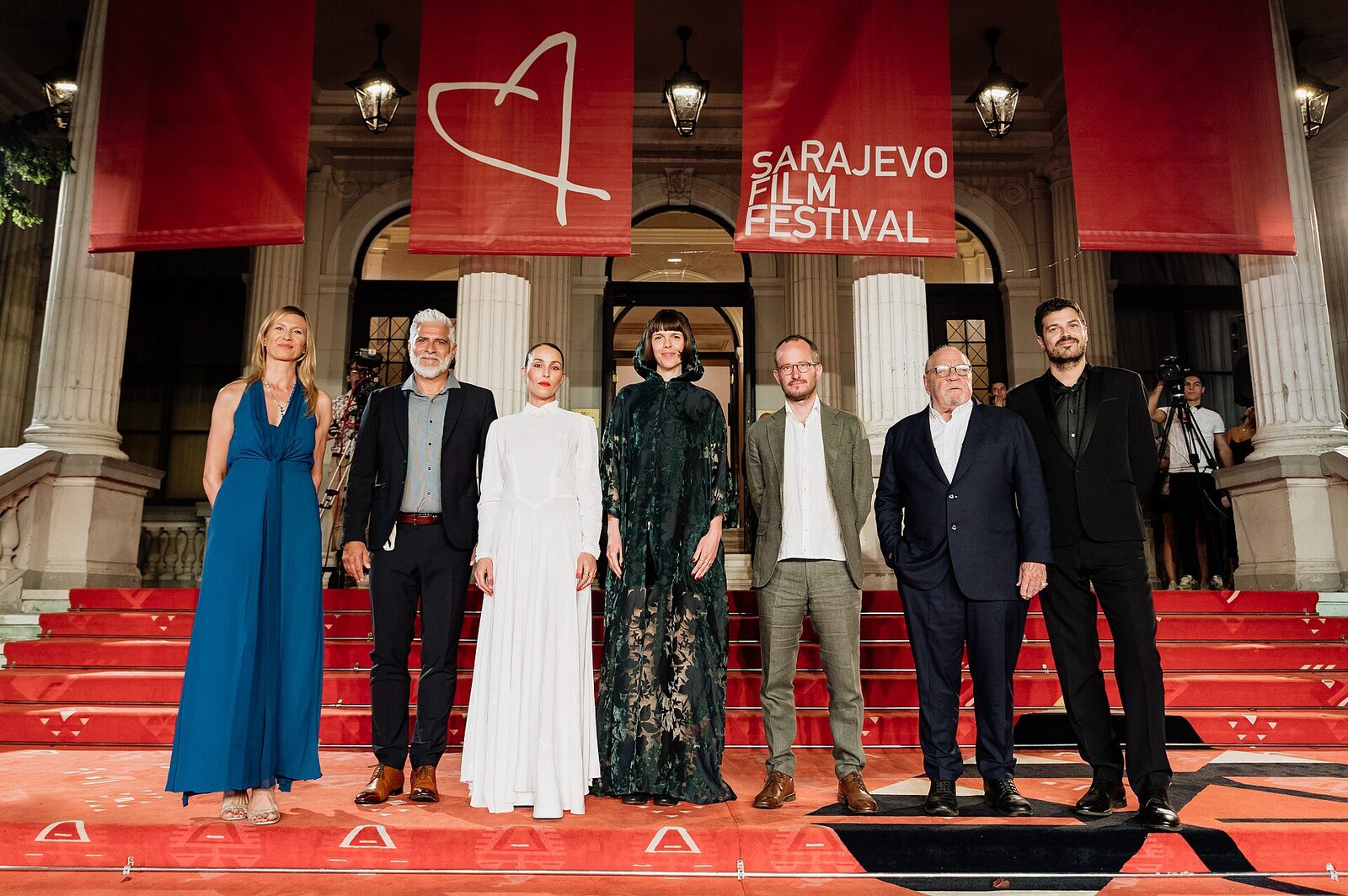
The city’s single largest annual cultural event, and one of the leading festivals in Southeast Europe. Founded by Mirsad Purivatra in 1995, during the siege, as a defiant cultural act; the first edition ran 25 October – 5 November 1995 with 37 films from 15 countries and about 15,000 spectators. Purivatra led the festival for 27 years; since February 2022 the director has been Jovan Marjanović (Variety). The 2026 edition runs 14–21 August, opens with Paweł Pawlikowski’s Fatherland (Variety, 2026), and introduces two new prizes, the Open Air Premiere Prize and the Prix Cineplexx (Hollywood Reporter). Hotels and apartments fully booked from early summer.
Signature venue: the Open-Air Cinema behind the National Theatre, an outdoor screening space that hosts the headline films each evening under a temporary canopy. Tickets are hard to get; the queue forms in the early afternoon for an evening screening. Side venues at the Meeting Point cinema in the centre, Cinema City in BBI mall, and a number of smaller venues across the city.
Two awards bracket the festival: the Heart of Sarajevo (best film, best actor, best actress, best documentary) and the Honorary Heart of Sarajevo, a lifetime-achievement award that has been given to John Cleese (2017), Mike Leigh, Stephen Frears, Wim Wenders, Béla Tarr, Morgan Freeman, and a dozen other named filmmakers. The full roll of every recipient since 2005, one page per name, is at Sarajevo Honorary Heart. The award ceremony is held on the closing Friday at the National Theatre.
- When: Mid- to late August. 2026 dates: 14–21 August.
- Venues: Open-Air Cinema, Meeting Point, Cinema City, National Theatre.
- Tickets: From about 15 BAM for individual screenings; the festival pass costs more. Open-air evening tickets often sell out within hours of release.
- Why go: This is the canonical Sarajevo summer week. Book accommodation in March if you want anywhere central; book by June for outer neighbourhoods.

4. MESS International Theatre Festival — October
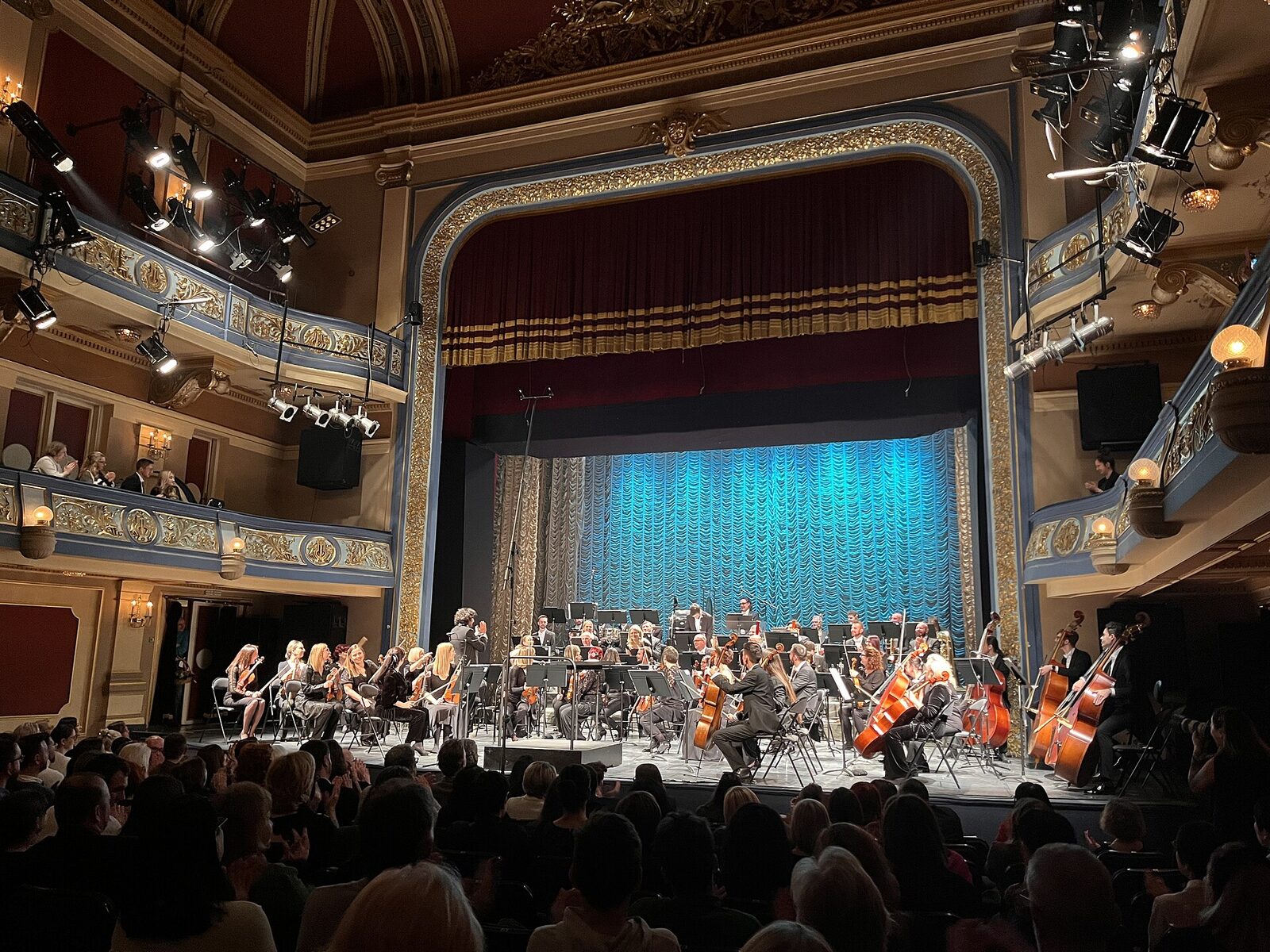
The oldest festival in this list. Founded in 1960 by Jurislav Korenić as the Festival of Small and Experimental Stages (MES, later MESS), making it one of the longest-running theatre festivals in the Balkans. It operated through the 1992–95 siege, most famously in 1993, when Susan Sontag directed a production of Waiting for Godot in Sarajevo under MESS auspices. That same year, MESS organised the very first Sarajevo Film Festival, two years before Purivatra’s 1995 edition took the SFF name forward as an independent event (mess.ba).
MESS programs experimental theatre, contemporary dance, and physical theatre from across Europe. Recent years have brought work from Ariane Mnouchkine’s Théâtre du Soleil, Jan Lauwers’ Needcompany, Romeo Castellucci’s Societas Raffaello Sanzio, and the Polish, Belgian, and German contemporary theatre circuits. The festival’s working language is English (with surtitles), so it works for non-Bosnian-speaking audiences.
The festival typically runs across ten days in October and centres on the National Theatre and the Kamerni Teatar 55 (the chamber theatre), with additional venues at the Bosnian Cultural Centre and the Academy of Performing Arts.
- When: Ten days in October, annually. 2026 dates: typically the second and third weeks of October.
- Venues: National Theatre, Kamerni Teatar 55, BKC, Academy of Performing Arts.
- Tickets: Most performances 20–40 BAM.
- Why go: If you care about contemporary European theatre, MESS is the only festival in the Western Balkans that consistently programmes the major European companies. The city in October is also at its prettiest: autumn colour on the surrounding hills, manageable temperatures.

5. Jazz Fest Sarajevo — November
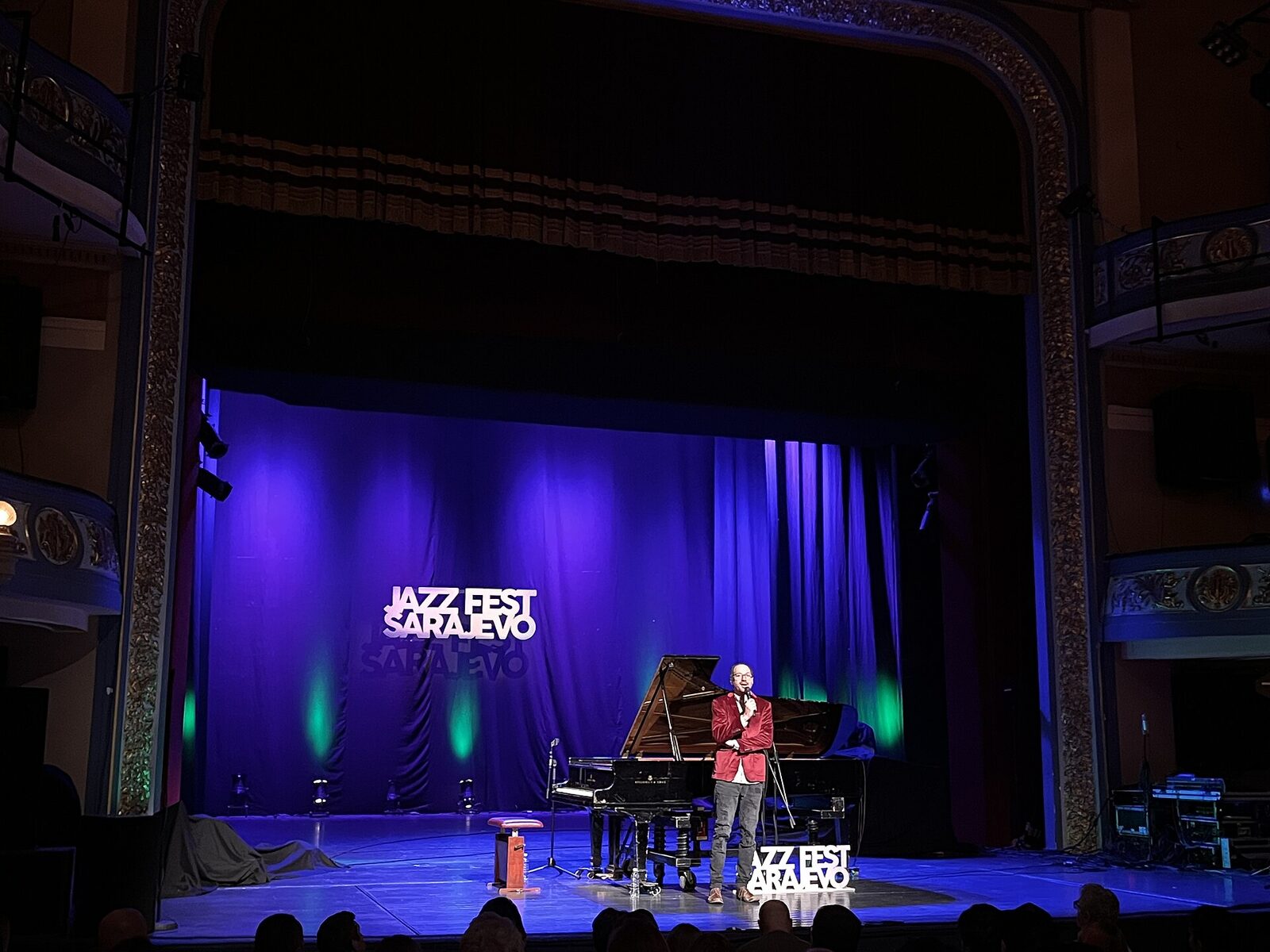
Newest of the five. Founded in 1997 by Edin Zubčević, two years after the end of the war, the festival has built a real international reputation in less than three decades. Programmes regularly feature Wynton Marsalis, Brad Mehldau, Avishai Cohen, the Esbjörn Svensson Trio (in its time), Goran Bregović, and a generation of post-Yugoslav jazz musicians who use the festival as a regional showcase.
The festival runs across four evenings in early November, the 2026 edition, the 30th anniversary, is scheduled for 4–7 November. Main concerts are at the Bosnian Cultural Centre (BKC) on Branilaca Sarajeva, late-night jam sessions at Sloga, and a daytime programme of masterclasses and panels at the Music Academy. The programmes are typically a mix of European jazz, American crossover, and Balkan-jazz fusion.
The festival’s atmosphere is more intimate than the Film Festival. The venues are small, the audiences are knowledgeable, the after-shows go late. If you are a jazz reader, this is the regional festival to plan around.
- When: Four evenings in early November (2026: 4–7 November, 30th edition).
- Venues: Bosnian Cultural Centre (main concerts), Sloga, Music Academy.
- Tickets: Main concerts ~25–40 BAM; verify the current programme at jazzfest.ba.
- Why go: The single best festival in the city for adults who care about live music in small rooms. Book the BKC tickets early; the after-shows take walk-ins.

How the year shapes up
A reader’s calendar of the five:
| Festival | When | Days | Why |
|---|---|---|---|
| Winter Festival | Feb–Mar | ~40 | Six weeks of mixed-discipline programming |
| Baščaršija Nights | 1–30 Jul | 30 | Sevdah, opera, and folklore in the Old Town |
| Sarajevo Film Festival | 14–21 Aug (2026) | 8 | The biggest week of the city’s year |
| MESS Theatre | Oct | ~10 | European contemporary theatre |
| Jazz Fest | 4–7 Nov (2026) | 4 | Small rooms, knowledgeable audience |
If you can only plan one trip, mid-August for the Film Festival is the canonical choice, the city is full, the venues are open-air, the energy is the highest it gets. If you want the cultural depth without the August crowds, November for Jazz Fest is the alternative, small audiences, programmable evenings, autumn light.
What is not on this list
A handful of smaller festivals run alongside the five above and are worth knowing about if your interests are specific:
- Sarajevo Wine Festival: early February, at Hotel Holiday; the 19th edition ran on 5 February 2026.
- Sarajevo Book Fair (Sajam knjiga) — 22–27 April 2026 at Skenderija; 37th edition; roughly 100,000 visitors.
- Sarajevo Chamber Music Festival (SCMF): mid-May, at the Music Academy; 11–15 May 2026.
- Sarajevo International Children’s Festival: June, at Skenderija.
- BH Fashion Week Sarajevo: twice yearly (spring and autumn); the 2026 season marks the 50th jubilee edition per bhfwsa.com. Exact dates are published closer to each edition.
- Pravo Ljudski Film Festival: December, human-rights documentary festival; 16th edition.
The five at the top are the ones the city itself plans around. The rest add to the calendar; they do not anchor it. Ma hajde (come on), pick one, book the room, see how the city behaves when its lights are on.
Further reading
- Sevdah and the Two Souls: the music tradition that is the spine of Baščaršija Nights.
- Sarajevo’s UNESCO list: four entries, none of them a building: sevdalinka, the form, was inscribed in 2024.
- Sarajevo’s museums: a reader’s ranking: the institutions that host most of the off-season cultural programming.
Sources & further reading
- Sarajevo Film Festival — official site
- Baščaršijske noći — official site
- Jazz Fest Sarajevo — official site
- Sarajevo Winter Festival — Wikipedia
- MESS International Theatre Festival — official About
- MESS International Theatre Festival — Wikipedia
- Variety — Jovan Marjanović succeeds Mirsad Purivatra as SFF director (2022)
- Variety — Paweł Pawlikowski's Fatherland to open SFF 2026
- The Hollywood Reporter — SFF launches Prix Cineplexx (2026)
- BH Fashion Week Sarajevo — official site
Keep reading
More from the guide.

Sarajevo — one man built the Orthodox Cathedral and the Ottoman barracks
Sarajevo’s Serbian Orthodox Cathedral, consecrated 1872, is well known. What is less known is that the same architect, Andrija Damjanov, a Macedonian...

Sarajevo Ottoman bridges — four still cross the Miljacka, and one of them is Roman
Sarajevo had at least seven Ottoman stone bridges in its 16th-century prime. Four survive: Šeher-Ćehaja (1585), Kozija Ćuprija (16th c.), the Latin...

Sarajevo Haggadah — a book that has outlived five empires
The Sarajevo Haggadah is a Sephardic Hebrew manuscript made in Northern Spain around 1350, in Sarajevo since at least the late Ottoman...