Sarajevo — the kids who still slide down the Olympic ruin
A new Bosnian documentary follows three Sarajevan teenagers training as luge athletes on the 1984 Olympic track. It opens at the Sarajevo Film Festival this August.
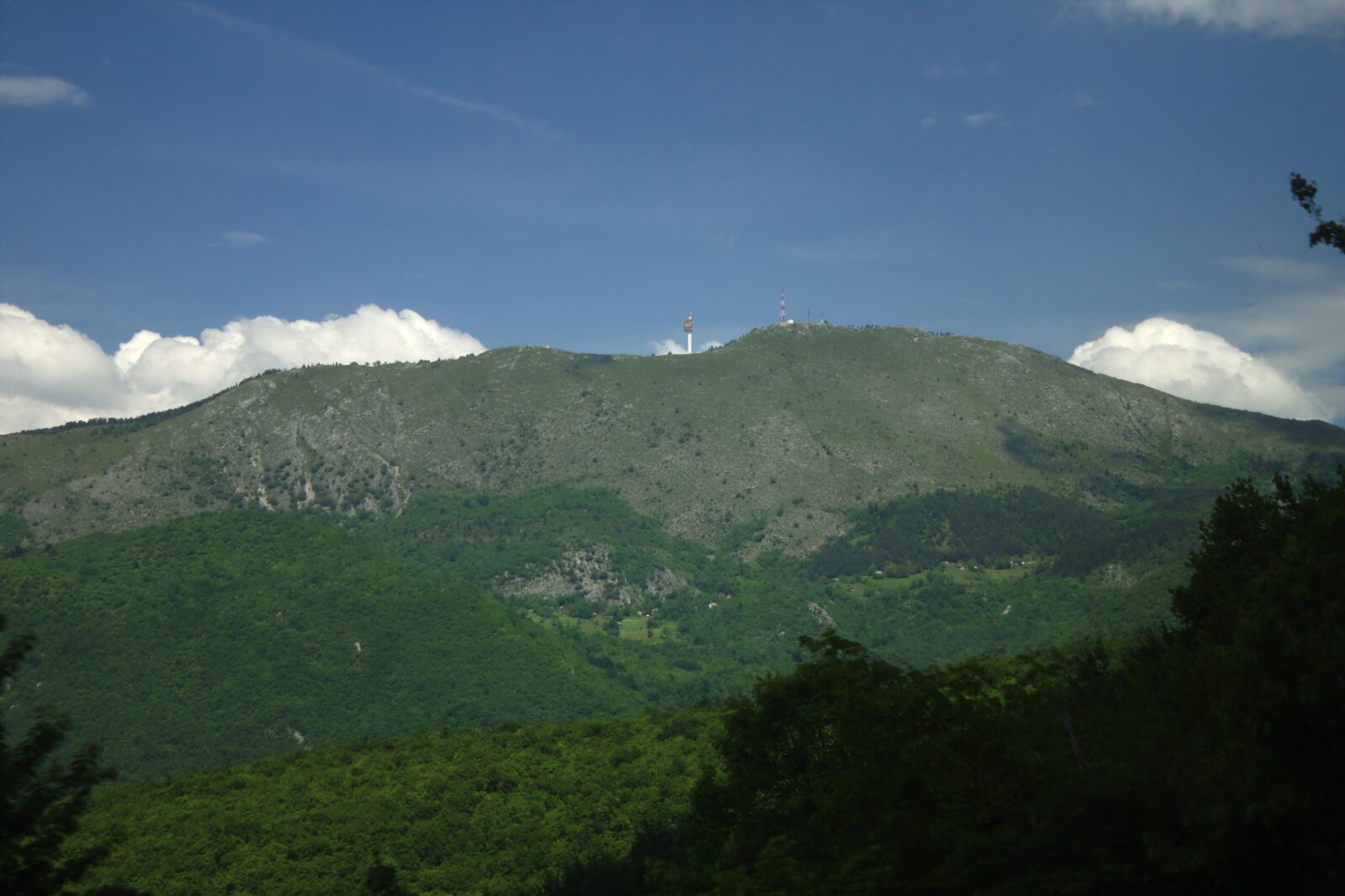

Of all the things the 1984 Winter Olympics left behind, the bobsled and luge track on Trebević is the strangest. A 1,300-metre chute of concrete, designed by the best engineers Yugoslavia had at the time, built into the side of a mountain at a cost of more than eight million dollars, used for two weeks of medal events, and then, within a single decade, turned by the siege of Sarajevo into a defensive sniper position. By the end of the 1990s the track was scarred by shellfire, half-overgrown by the forest it ran through, and impossible to slide down without serious risk. It is still there, and you can walk it. Most of the surface has been thickly painted with graffiti.
You cannot luge on it. Which is why a small new feature documentary about three Sarajevan teenagers who keep trying (in a sense) to luge on it is one of the most quietly moving Bosnian films of the year.
The film
The Track (Staza) is the directorial feature debut of Ryan Sidhoo, a Canadian filmmaker, and it follows three teenage boys (Mirza, Zlatan, and Hamza) and their coach, Senad, as they pursue Olympic luge dreams in post-war Sarajevo. The film is co-produced by Wild State, the production company founded by Chris Hemsworth and Ben Grayson, with Spirit of 84 Films.
The choice of subject is more than topical. Bosnia has not had a serious luge programme since the Yugoslav era. The boys train where they can (partly on the salvageable upper sections of the old Olympic course, partly on improvised setups elsewhere), and the film treats this as the metaphor it is. The 1984 Olympics happen in the background of every frame, even when nobody mentions them. Senad, the coach, was alive for the original Games; the boys were born nearly twenty years after the siege ended. The mountain is the same. The track is what it has become.
The premiere
The film’s world premiere ran on the U.S. documentary circuit, with screenings at the True/False Film Fest, Hot Docs in Toronto, and the San Francisco International Film Festival earlier in 2025. The home audience finally gets it this August: The Track screens in the Open Air Premiere strand of the Sarajevo Film Festival, 15–22 August 2025: outdoors, under the same sky that holds the mountain in the film.
The festival’s director, Jovan Marjanović, told Deadline in an interview ahead of the premiere that the film’s international reception “speaks to its power” (Lodderhose, Deadline, August 2025). Marjanović has been involved in programming the festival for nearly two decades. He has reason to know what travels and what doesn’t.
Why it matters
Sarajevo’s film festival was founded in 1995, while the city was still under siege. It ran in a basement at first, then in an emergency tent. Thirty years later it is one of the most respected film festivals in southeastern Europe, and one of the small civic institutions Sarajevans cite when explaining how the city kept going during the war. Premiering a film about post-war Sarajevan youth, in Sarajevo, in August 2025, is, among other things, a statement about how the city tells its own story to itself.
The bobsled track is a small piece of that story. The Trebević page covers the basic facts: construction, damage during the siege, current condition as an open-air ruin. The thing the page cannot do, because it is not a film, is show how the track looks from inside, with a body on a sled, going down. The Track is the film that does that. A Sarajevan would say it more dryly: the track has been a sniper position, a graveyard, a graffiti canvas, and now a film location. It still has not been a track.
How to see it
- Sarajevo Film Festival, Open Air Premiere strand, 15–22 August 2025. Tickets through sff.ba when the schedule goes live in early August.
- Internationally, no theatrical or streaming release has been announced at time of writing. Wild State and Spirit of 84 are looking for distribution. If you cannot make Sarajevo, watch for it on the festival circuit through the autumn.
A separate, smaller note: if you visit Sarajevo this summer and have a free afternoon, you can still walk the bobsled track yourself. The cable car from Bistrik to Trebević runs until late evening, and the abandoned section is a 15-minute walk from the upper station. The graffiti changes every year. The concrete does not.
Sources
- Diana Lodderhose, “Chris Hemsworth’s Wild State Boards Bosnian Doc ‘The Track’ Ahead Of Sarajevo Premiere”, Deadline, 7 August 2025.
- Sarajevo Film Festival, 2025 programme.
- The Track (Staza), directed by Ryan Sidhoo, produced by Wild State and Spirit of 84 Films.
Sources & further reading
Keep reading
More from the guide.

Sarajevo has five urban rooms — the small courtyards the city depends on
The Sarajevan public spaces you can name, the Sebilj square, Ferhadija, the Miljacka embankment, are the tip of a much larger inventory....

Sarajevo Nadrealisti 1988 — the nationalism detector's only alarm
The Nacional Detektor sketch from the 1988 second season of Top Lista Nadrealista is three minutes and six seconds long. In it,...

Sarajevo — the fifteen-minute Saturday radio slot that launched Yugoslav absurdist comedy
Before Top Lista Nadrealista was a TV show, it was a fifteen-minute Saturday radio segment on Radio Sarajevo’s second programme. The slot...